

How do you read this? Check your general knowledge with a kanji reading quiz about flowers!

How many kanji for flowers can you read? Kanji like “sakura” (cherry blossom) and “kiku” (chrysanthemum) are commonly seen in everyday life, but when it comes to other flower kanji, you might find yourself wondering, “How do you read this again?” In this article, we introduce the readings of flower kanji in a quiz format.
Not only can you enjoy learning kanji that evoke the seasons, but it’s also useful for general knowledge.
Try quizzing family and friends or checking your own knowledge as you explore kanji for flowers!
- How many can you read? Test your general knowledge with a spring flower kanji quiz
- [For Elementary Students] Flower Kanji Quiz! How many flowers do you know?
- A quiz of interesting obscure kanji: characters that look easy but are hard to read
- A quiz on how to read obscure kanji: words that become difficult when written in kanji.
- How many can you read? A quiz on difficult kanji for foods
- [Interesting] Summary of Kanji Reading Quiz Questions
- Can You Read These? Quiz on Kanji with Many Strokes
- [Hard-to-Read Quiz] Single-character difficult kanji — including surprisingly simple ones!
- [General Knowledge] Summary of Kanji Quizzes Representing Country Names
- [Sakura Quiz] Trivia & Fun Facts Quiz about Cherry Blossoms for Kids
- One-character difficult kanji quiz: a multiple-choice (3 options) game to learn the readings of challenging kanji
- The world’s fewest: A collection of one-stroke kanji. Learn them in a quiz format!
- How many can you read? Test your trivia skills with a brain-twisting ateji quiz!
How do you read this? Check your general knowledge with a flower kanji reading quiz! (1–10)
How do you read “蒲公英”?

See the answer
dandelion
The dandelion is one of the representative flowers of spring and is loved by many people. Although the kanji form is hard to read, the name actually originates from Chinese, while in Japan it has long been called “tanpopo.” The character 蒲 refers to cattails, and 公英 is said to be a term expressing the beauty of the flower; it is believed that a name given in ancient China was passed down to Japan.

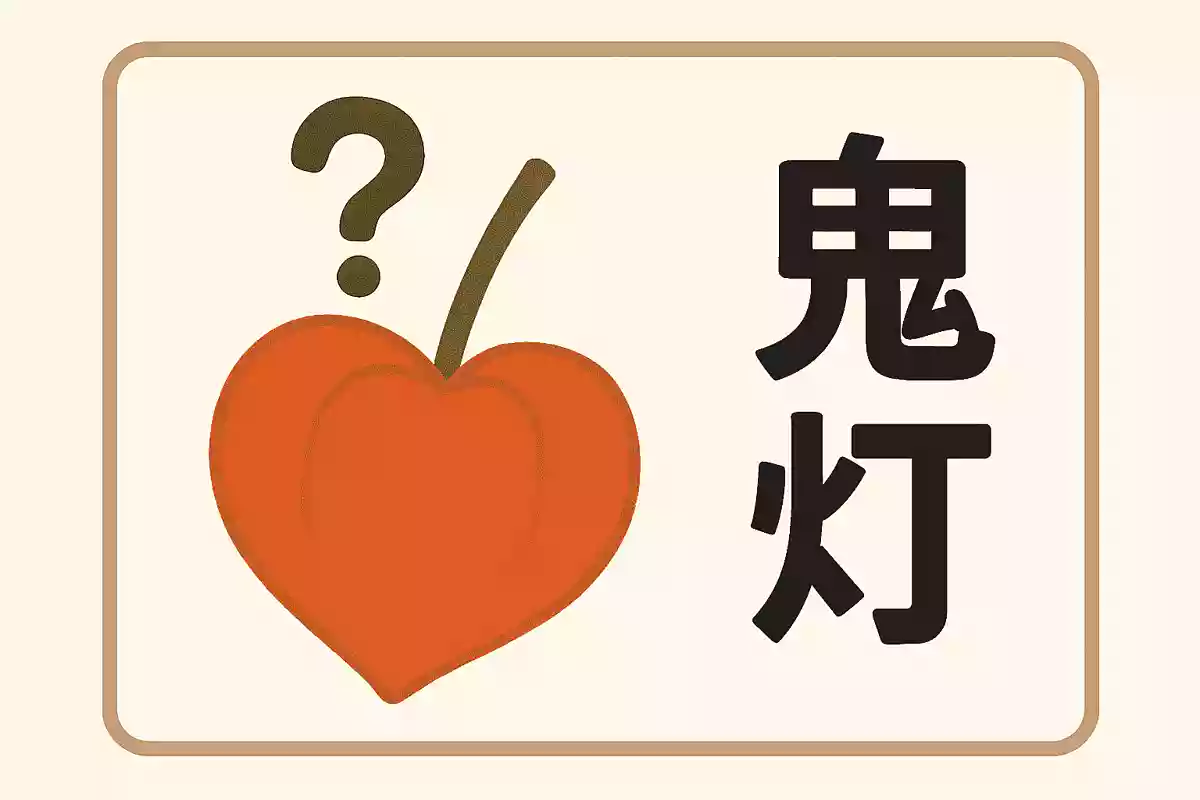
How do you read (pronounce) “鬼灯”?
See the answer
Chinese lantern plant
Hozuki (Japanese lantern plant) is characterized by its pale red, pouch-like husks seen in summer, with small fruits inside. The kanji used for its name came about because its shape resembles the lantern carried by an oni (demon). It is cherished not only as an ornamental plant, but also as a decoration for Obon and as a familiar symbol of summer festivals.
How do you read “向日葵”?

See the answer
Sunflower
The kanji 向日葵 is read as “himawari,” meaning sunflower. 向日 (kōjitsu) means “facing the sun,” and 葵 (aoi) is the name of a plant. Sunflowers have the characteristic of turning their blossoms to follow the movement of the sun, which is why they were named 向日葵. They are especially iconic summer flowers, and their large, bright yellow blooms give them a cheerful, energetic image, making them very beloved in Japan.

[How do you read this?] Check your general knowledge with a quiz on how to read flower kanji! (11–20)
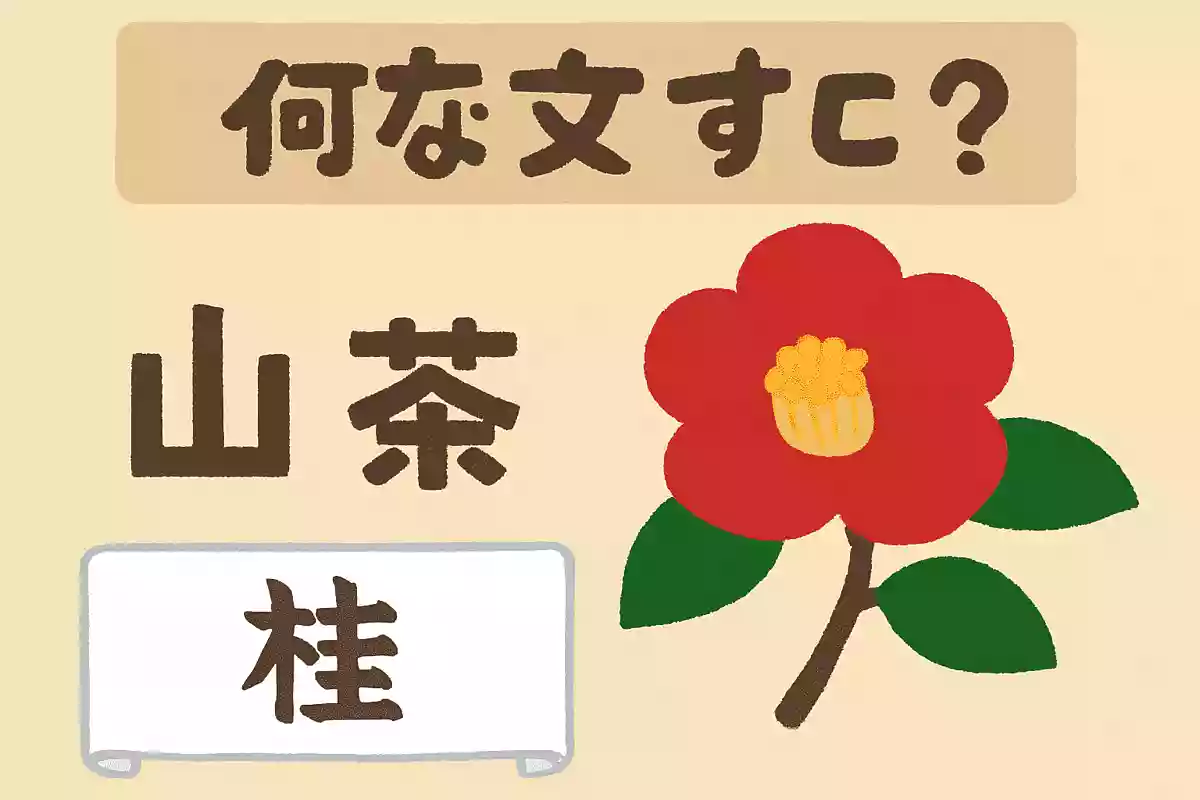
How do you read/pronounce “山茶花”?
See the answer
sasanqua (Camellia sasanqua)
It is an evergreen shrub in the tea family that is characterized by bearing beautiful red, white, or pink flowers in winter. The name derives from the Chinese term “shānchá,” and because its blooming season and appearance resemble those of the camellia (tsubaki), it is also called the “winter camellia.” It is a flower beloved in Japan, even featured in the lyrics of the children’s song Takibi (“Bonfire”).
How do you read “杜若”?

See the answer
rabbit-ear iris
It is a plant in the iris family that blooms with large blue-violet flowers by the water in early summer, especially from May to June. The name “kakitsubata” (杜若) has been celebrated in many classical waka and haiku poems since ancient times, making it well known as a seasonal symbol. It is sometimes confused with ayame and hanashōbu, but they differ in petal patterns and preferred growing environments. In the name 杜若, 杜 can mean “grove” or “shrine,” and 若 is used as in “young leaves,” so the name also conveys the beauty of nature and a sense of youthful freshness.
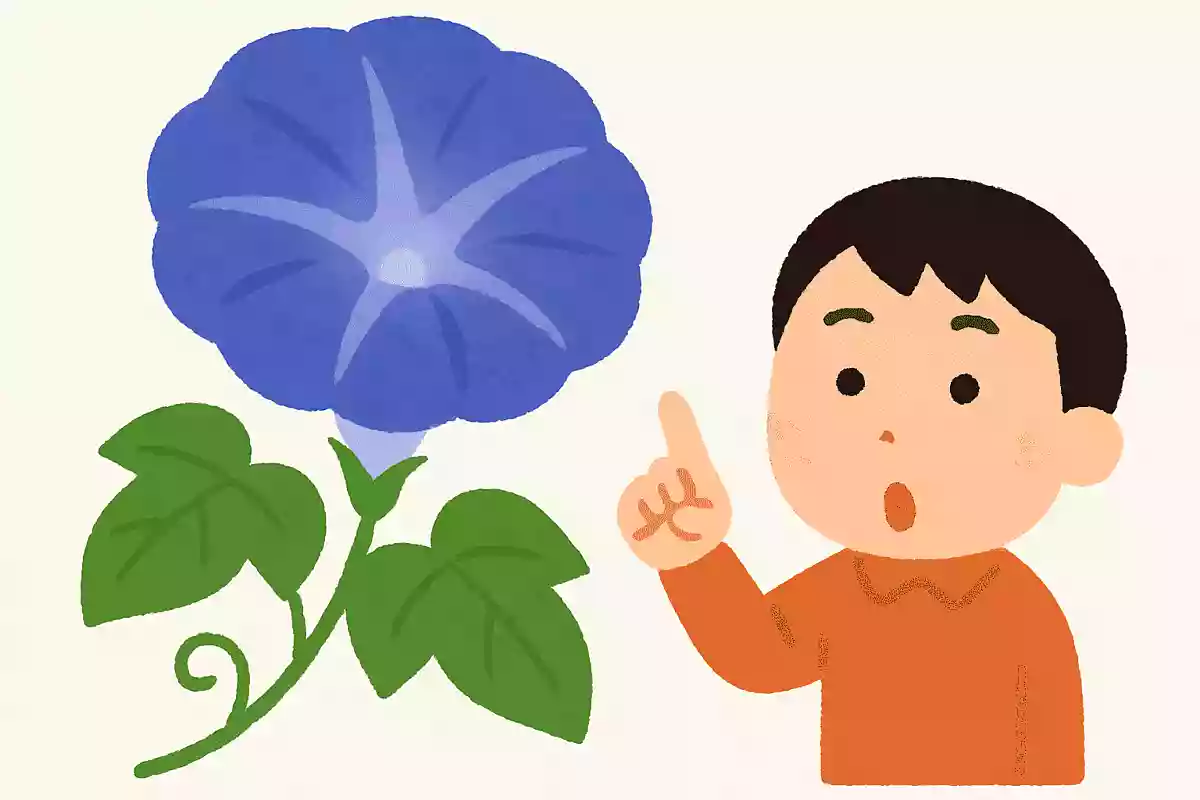
How do you read “牽牛花”?
See the answer
morning glory
Kenjoka is another name for the morning glory. It is said to have been called that because, long ago, after the plant was brought over from China, a man who was cured by taking morning glory seeds went to offer thanks to the plant, leading a cow with him. Also, because morning glories bloom around the time of Tanabata, they were known in the Edo period as an auspicious flower signifying that Orihime and Hikoboshi were able to meet.

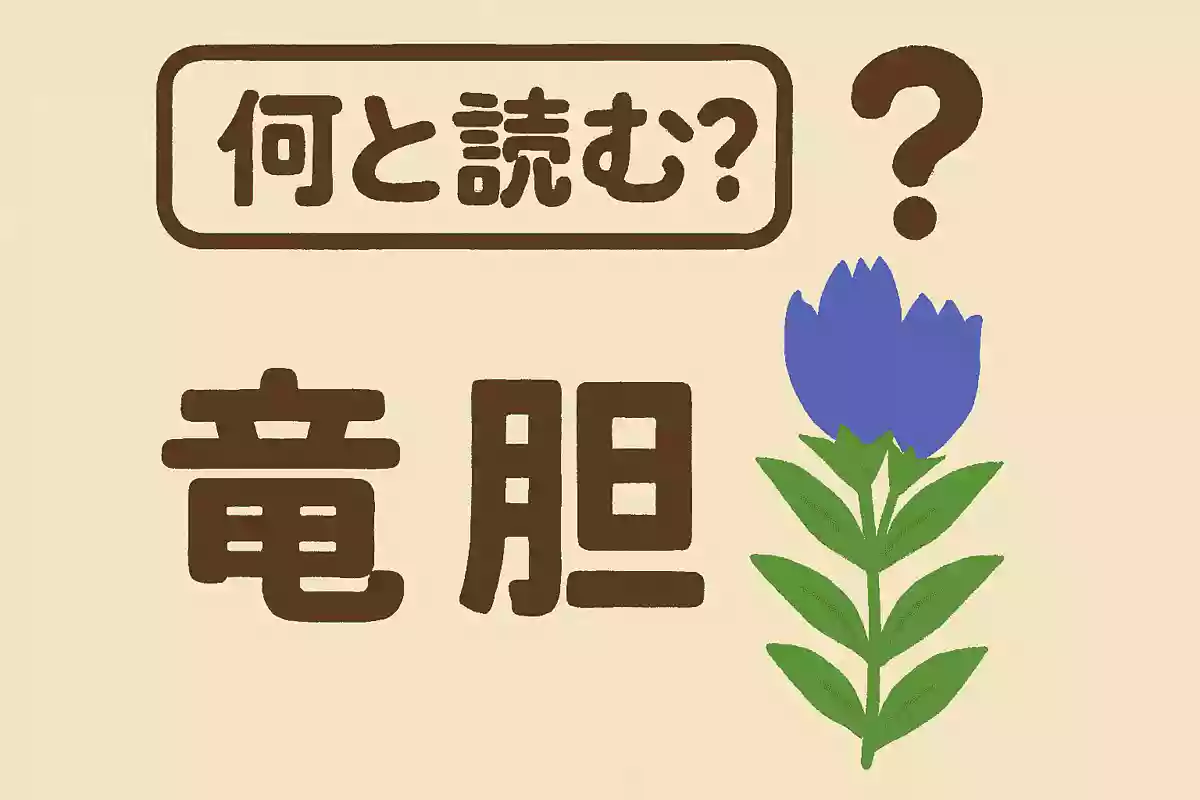
How do you read “竜胆”?
See the answer
Gentian
Gentians are beautiful bluish-purple flowers that mainly bloom in autumn and have long been cherished in Japan for ornamental purposes. The root of the gentian is extremely bitter and has therefore been used as a crude medicinal ingredient. The origin of the kanji comes from China, where the plant’s root was said to be as bitter as a “dragon’s gall,” which led to the name 竜胆 (ryūtan).