

How do you read this? Check your general knowledge with a kanji reading quiz about flowers!

How many kanji for flowers can you read? Kanji like “sakura” (cherry blossom) and “kiku” (chrysanthemum) are commonly seen in everyday life, but when it comes to other flower kanji, you might find yourself wondering, “How do you read this again?” In this article, we introduce the readings of flower kanji in a quiz format.
Not only can you enjoy learning kanji that evoke the seasons, but it’s also useful for general knowledge.
Try quizzing family and friends or checking your own knowledge as you explore kanji for flowers!
How do you read this? Check your general knowledge with a flower kanji reading quiz! (1–10)
How do you read “女郎花”?

See the answer
patrinia (golden lace / Patrinia scabiosifolia)
It’s written 女郎花 and read as “ominaeshi.” Ominaeshi is one of the Seven Flowers of Autumn, known for its clusters of tiny yellow blossoms. “Omina” means woman, and “eshi” means to overwhelm or excel, and the name is said to signify a flower whose beauty can even overwhelm that of a beautiful woman. It has long been cherished as a symbol of autumn, often appearing in traditional waka poems and haiku.

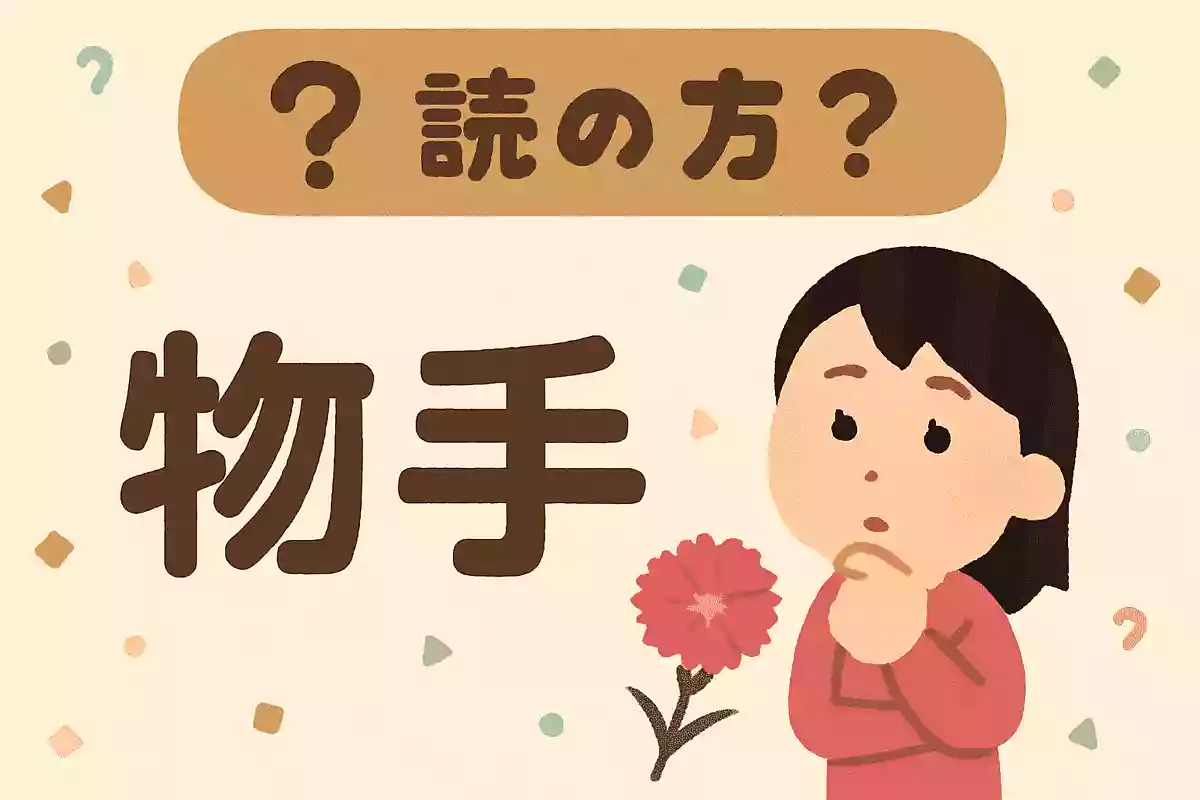
How do you read “撫子”?
See the answer
Nadeshiko
Nadeshiko is read as “Nadesiko.” Nadeshiko is a perennial plant in the carnation family, known for its pink and white blossoms. Its beauty gave rise to the term “Yamato Nadeshiko,” which is used as a symbol of the virtues and modesty of Japanese women. It’s a flower long cherished in waka poetry and literature, and is commonly seen in Japan and across Asia.
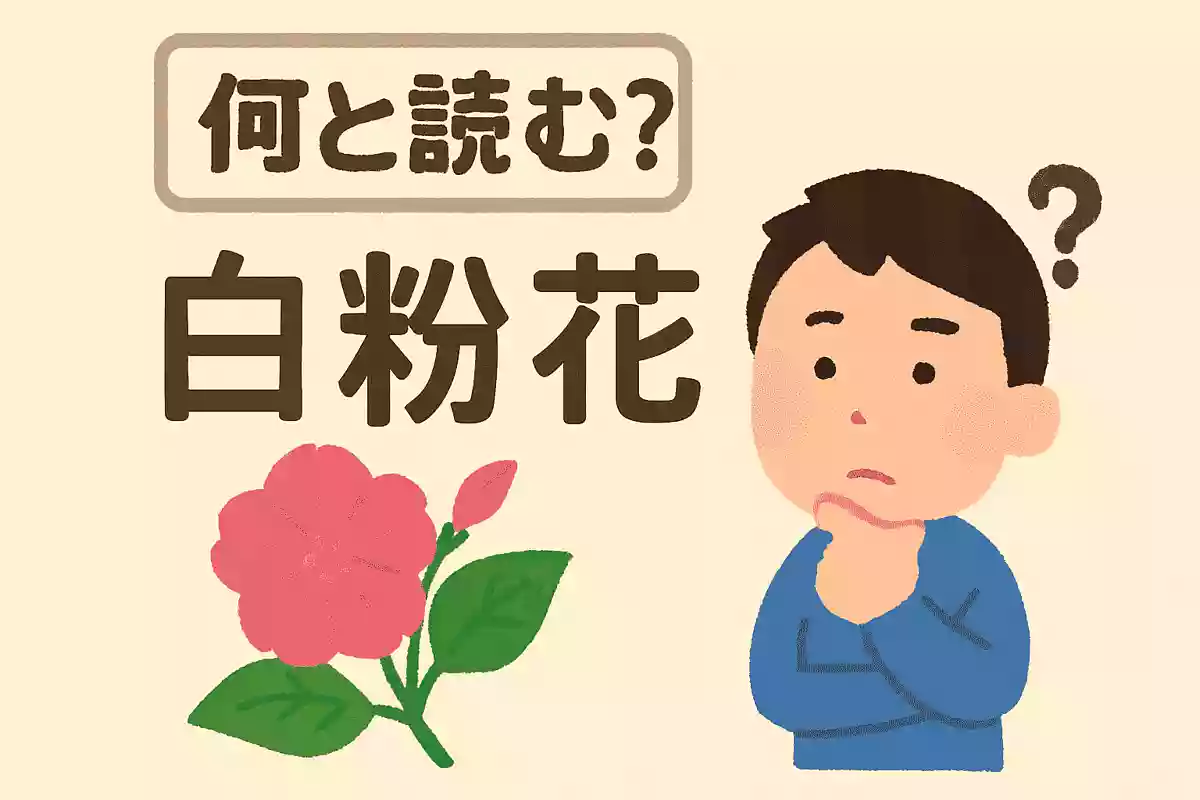
How do you read '白粉花'?
See the answer
four o'clock flower
Shirokonohana is pronounced “Oshiroibana.” The Oshiroibana (four o’clock flower) is known for blooming beautiful red, yellow, and white flowers in summer. Its name is said to come from the white powder-like substance inside its seeds, which resembles the cosmetic face powder called “oshiroi.” It is often planted in gardens and parks in Japan as an ornamental plant, and its unique charm includes the fact that the flowers begin to open at night.
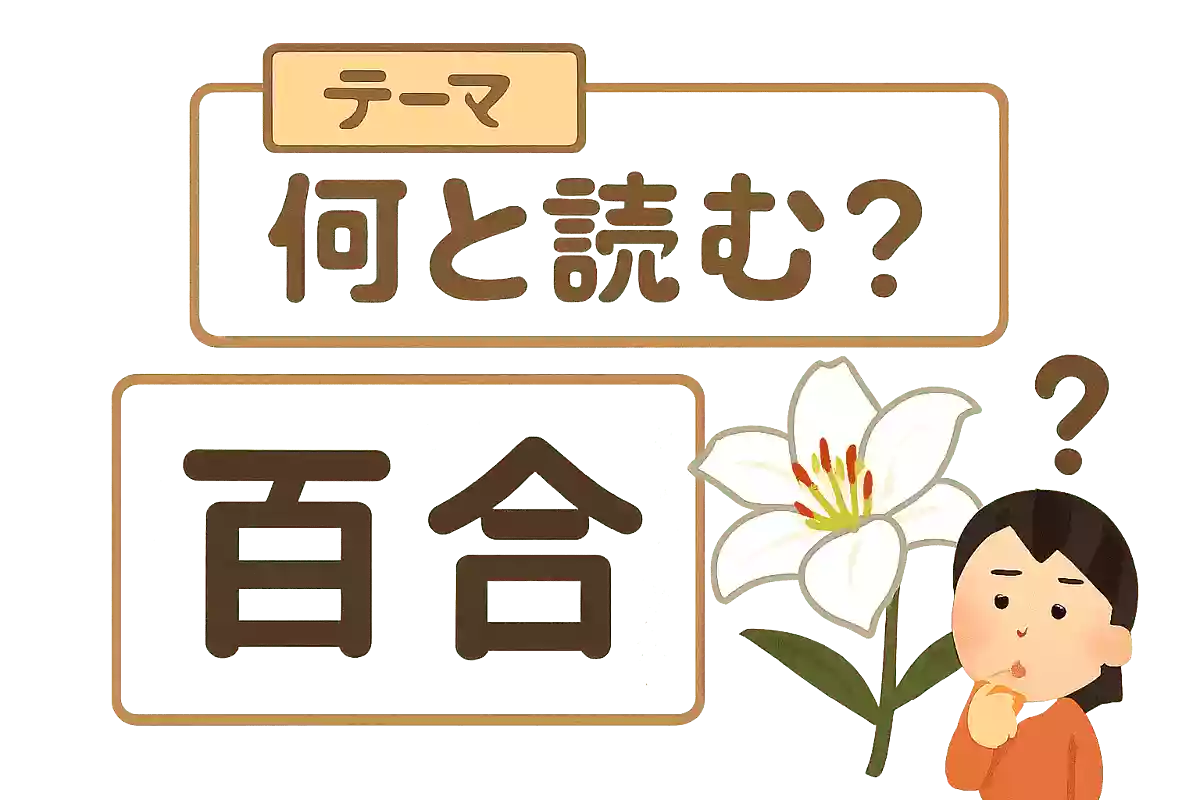
How do you read “百合”?
See the answer
Yuri
Yuri is a flower well known in Japan, pronounced “yuri.” It is a perennial in the lily family that produces blossoms in various colors, such as white, pink, and yellow. In Japan, it has long been cherished as an ornamental plant and, thanks to its showy appearance, is often used in bouquets and floral arrangements. It’s also an important point that the kanji for 百合 (literally “a hundred” and “to join”) is said to derive from the image of many leaves overlapping, which is closely tied to this flower.
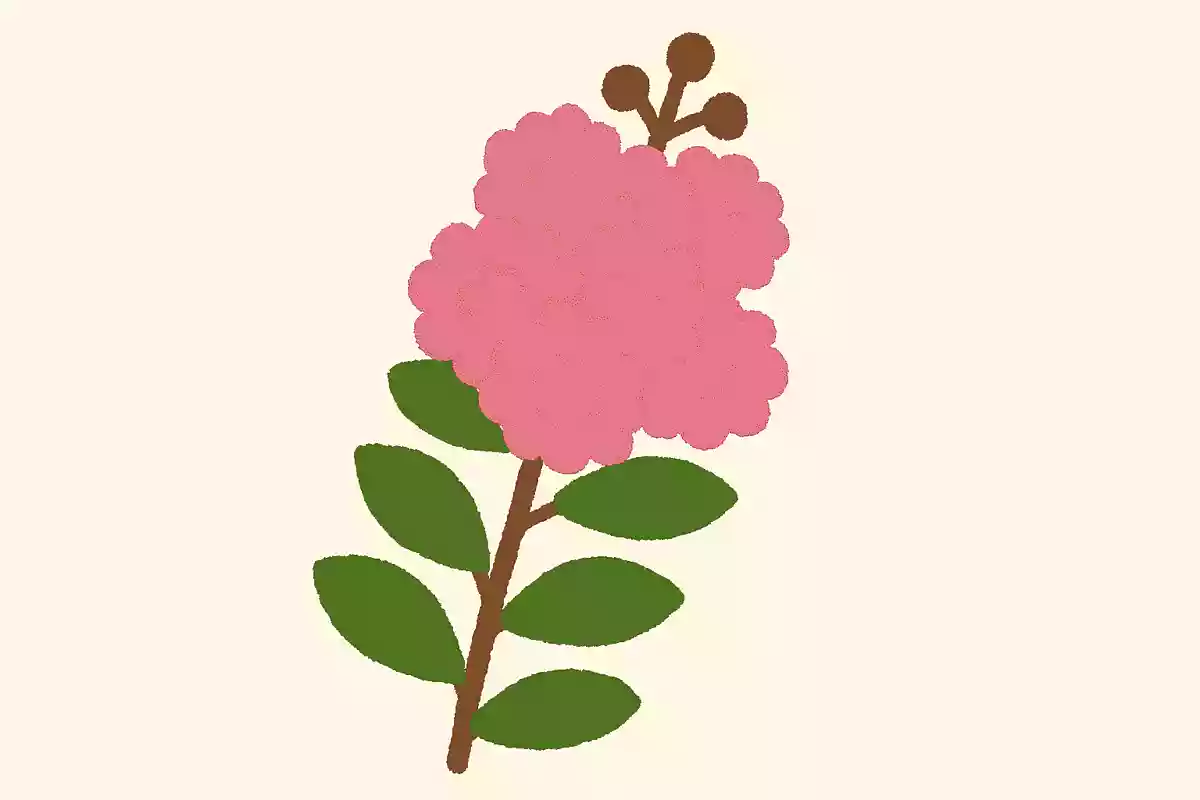
How do you read “百日紅”? (It’s read as さるすべり, pronounced sarusuberi)
See the answer
crape myrtle
Crape myrtle is a deciduous tall tree in the Lythraceae family that continues to bloom with red or white flowers from around July to October. The kanji 百日紅 (literally, “one hundred days of red”) is used because it means “red flowers bloom for a hundred days.” Its Japanese name, sarusuberi, was given due to the tree’s smooth trunk—so slippery that even monkeys would slip.

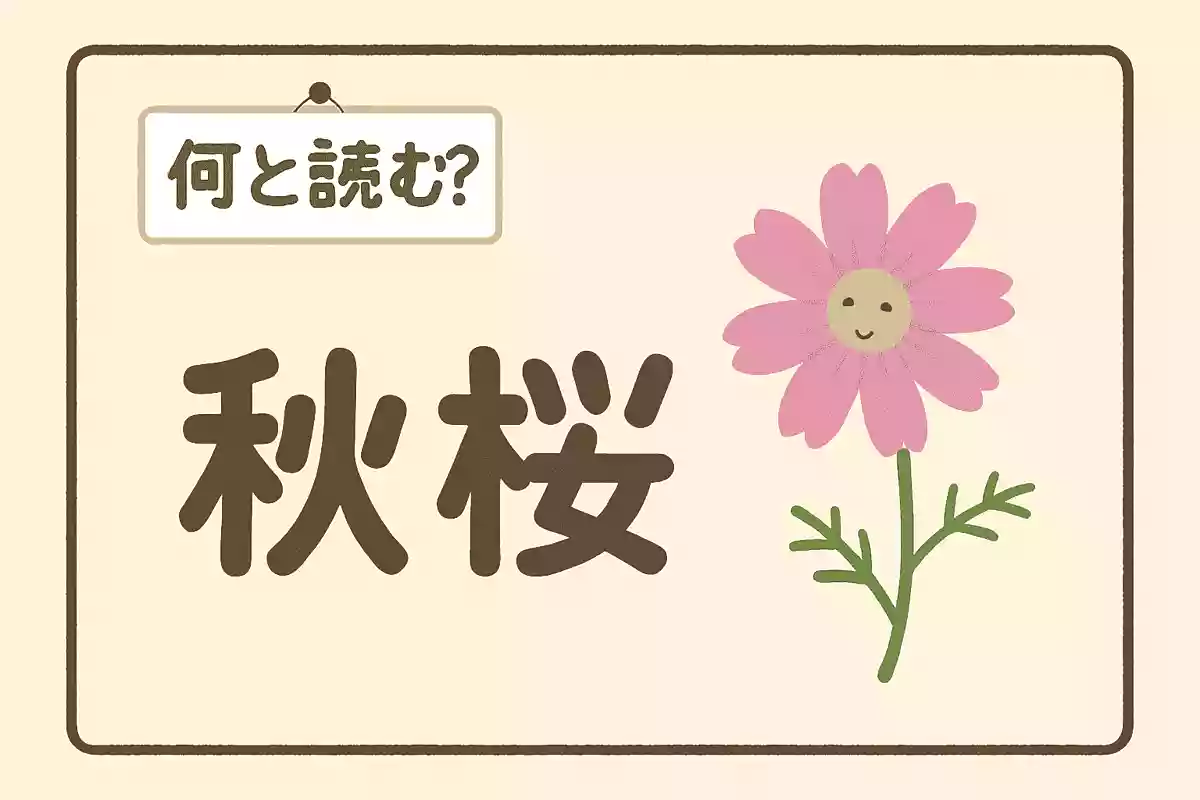
How do you pronounce “秋桜”?
See the answer
cosmos
It’s written with the characters for “autumn” and “cherry blossom,” but read as “cosmos.” True to those characters, when the flower first arrived in Japan it was called “akizakura” (autumn cherry blossom), but over time the name “cosmos” took hold. It’s a beloved symbol of autumn, a flower you can enjoy in parks and flower fields across the country.
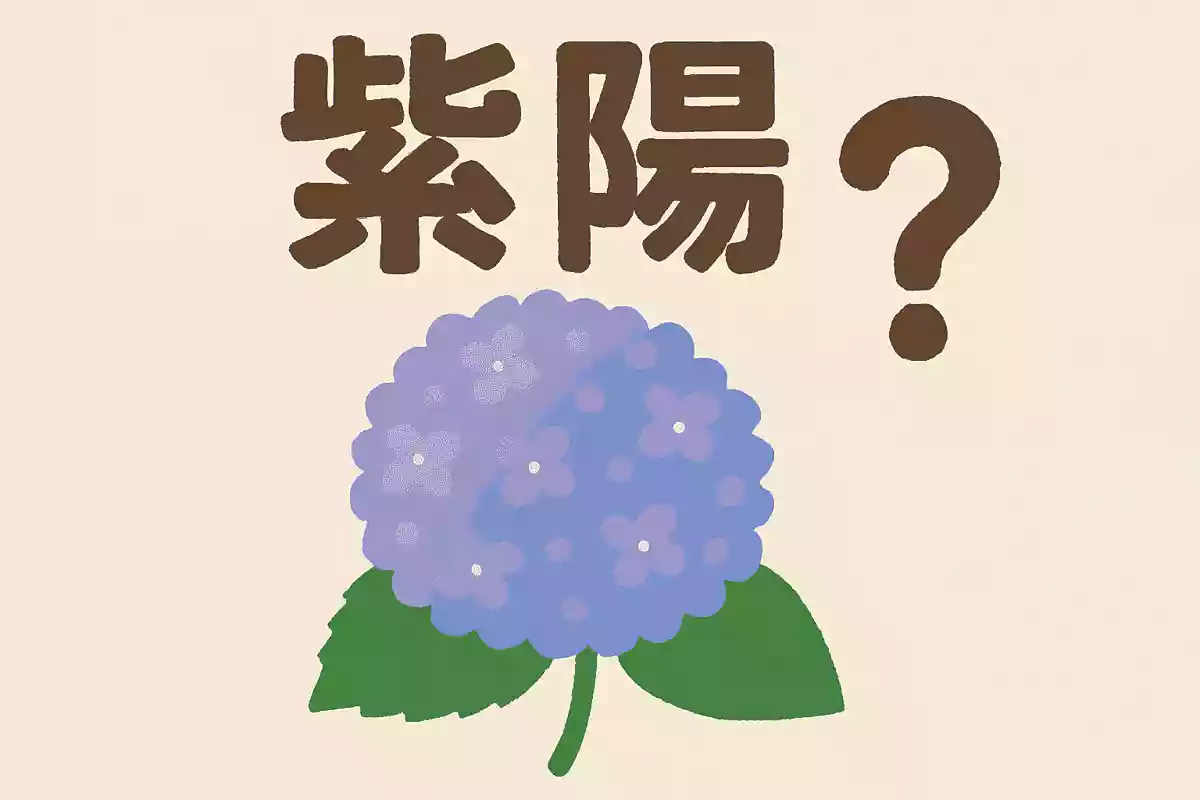
How do you read “紫陽花”?
See the answer
hydrangea
In Japanese, 紫陽花 is read as “ajisai.” Ajisai blooms during the rainy season and is known for its variety of vibrant flower colors, such as purple, blue, and pink. The kanji spelling 紫陽花 was brought from China, but since in Chinese it can refer to a completely different plant, a unique Japanese reading developed.