

How do you read this? Check your general knowledge with a kanji reading quiz about flowers!

How many kanji for flowers can you read? Kanji like “sakura” (cherry blossom) and “kiku” (chrysanthemum) are commonly seen in everyday life, but when it comes to other flower kanji, you might find yourself wondering, “How do you read this again?” In this article, we introduce the readings of flower kanji in a quiz format.
Not only can you enjoy learning kanji that evoke the seasons, but it’s also useful for general knowledge.
Try quizzing family and friends or checking your own knowledge as you explore kanji for flowers!
- How many can you read? Test your general knowledge with a spring flower kanji quiz
- [For Elementary Students] Flower Kanji Quiz! How many flowers do you know?
- A quiz of interesting obscure kanji: characters that look easy but are hard to read
- A quiz on how to read obscure kanji: words that become difficult when written in kanji.
- How many can you read? A quiz on difficult kanji for foods
- [Interesting] Summary of Kanji Reading Quiz Questions
- Can You Read These? Quiz on Kanji with Many Strokes
- [Hard-to-Read Quiz] Single-character difficult kanji — including surprisingly simple ones!
- [General Knowledge] Summary of Kanji Quizzes Representing Country Names
- [Sakura Quiz] Trivia & Fun Facts Quiz about Cherry Blossoms for Kids
- One-character difficult kanji quiz: a multiple-choice (3 options) game to learn the readings of challenging kanji
- The world’s fewest: A collection of one-stroke kanji. Learn them in a quiz format!
- How many can you read? Test your trivia skills with a brain-twisting ateji quiz!
[How do you read this?] Check your general knowledge with a quiz on how to read flower kanji! (11–20)
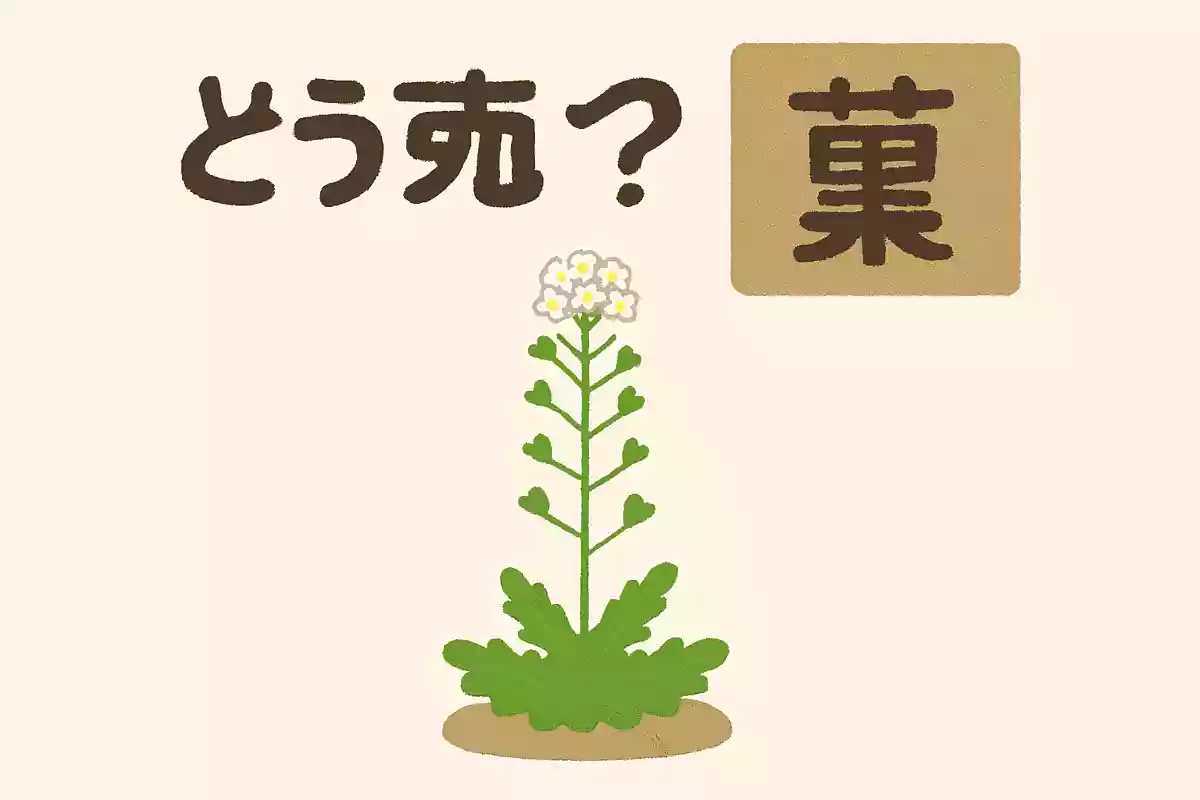
How do you read “薺”?
See the answer
Shepherd’s purse
It is a plant beloved in Japan as one of the seven herbs of spring. Since ancient times it has been used as both food and medicinal herb, and is especially indispensable in nanakusa-gayu (seven-herb rice porridge). It grows wild almost everywhere, such as along roadsides and in fields, and its distinctive seedpods and small white flowers are memorable. The nickname “penpen-gusa” spread because the seedpods of shepherd’s purse resemble the plectrum used for the shamisen.

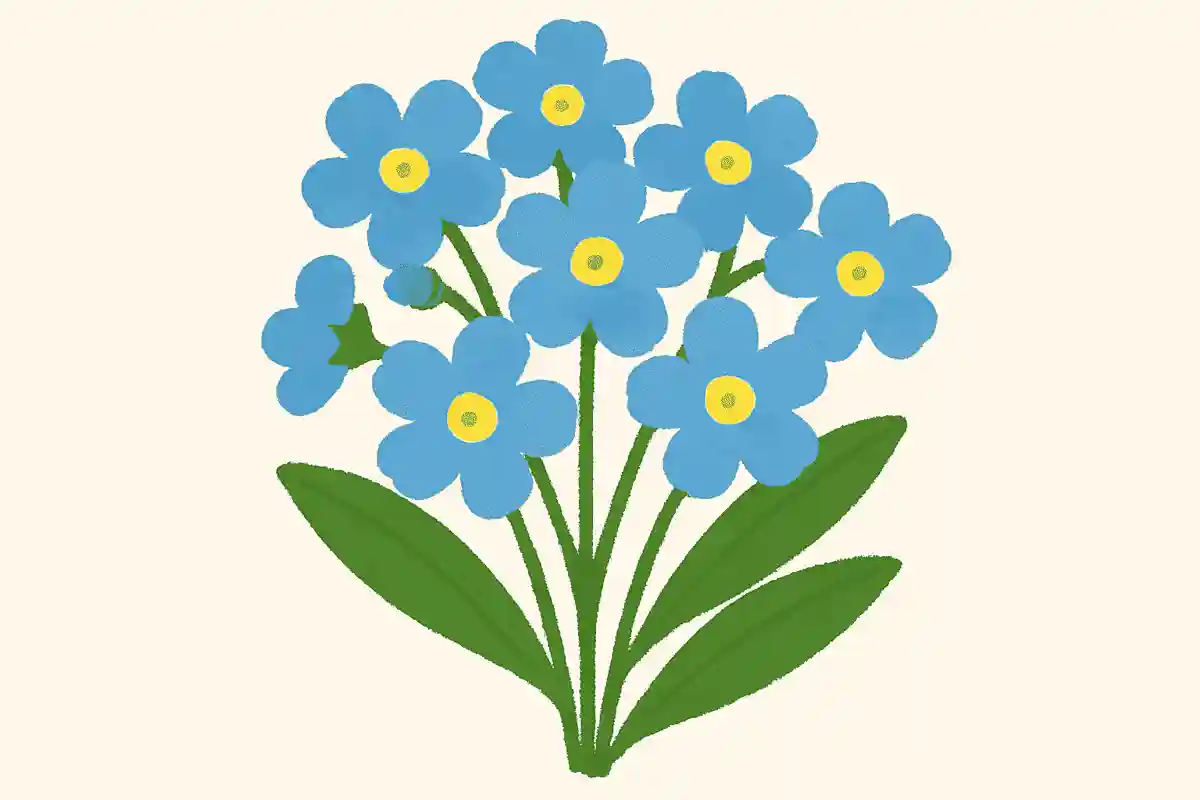
How do you read “勿忘草”?
See the answer
Forget-me-not
The charming forget-me-not, which blooms with small blue flowers in spring. As its name suggests, it carries the meaning “don’t forget,” and is sometimes given as a symbol of friendship and love. Its flower meanings are “Forget me not” and “true love.” Though small, it has a strong presence, and its quietly blooming姿 leaves a gentle impression on the heart. It’s a spring flower that, when spotted in a garden or field, brings a calm, comforting feeling.

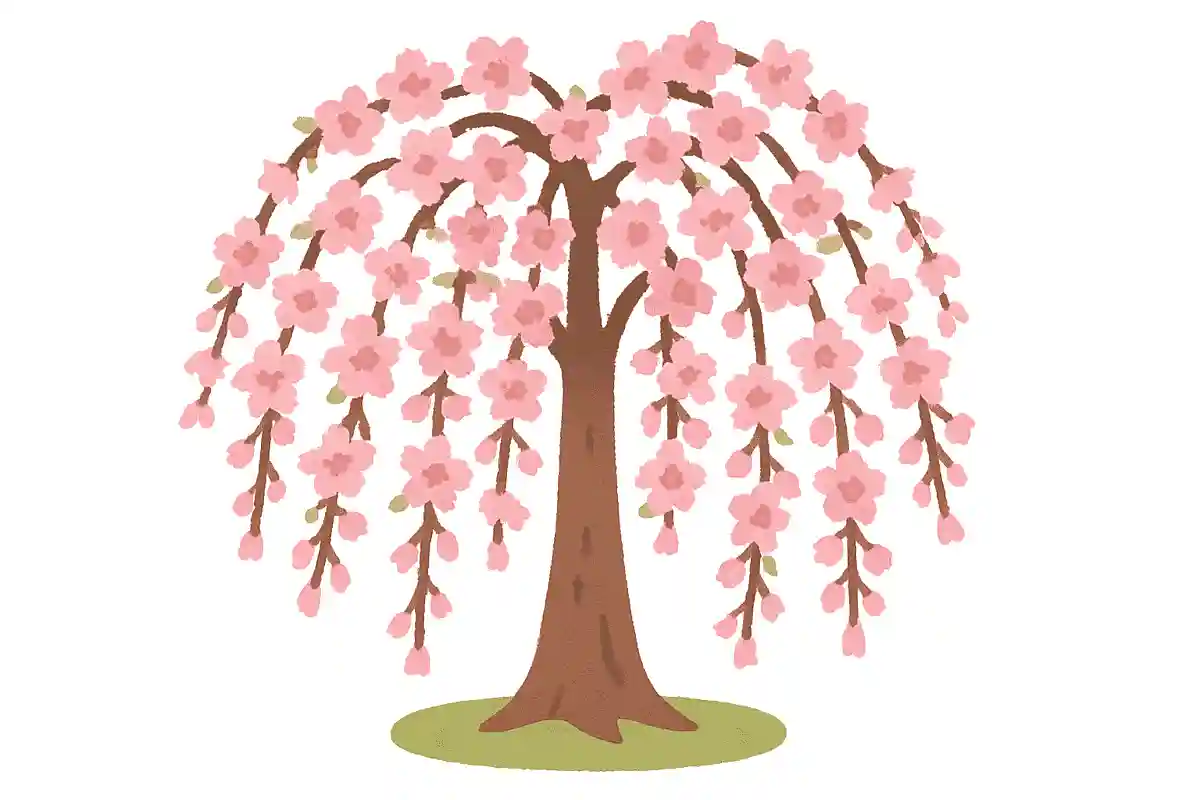
How do you read “枝垂桜”?
See the answer
weeping cherry (tree)
It is a type of cherry tree that produces pink blossoms on long, drooping branches in spring. The elegantly swaying flowers resemble a spring haze and bring a sense of calm to those who see them. Its flower meanings are “grace,” “purity,” and “spiritual beauty,” and it brightens spring landscapes in gardens and along rivers. Modest yet striking, it is a beautiful flower that symbolizes spring in Japan, and simply seeing it in bloom brings peace to the heart.
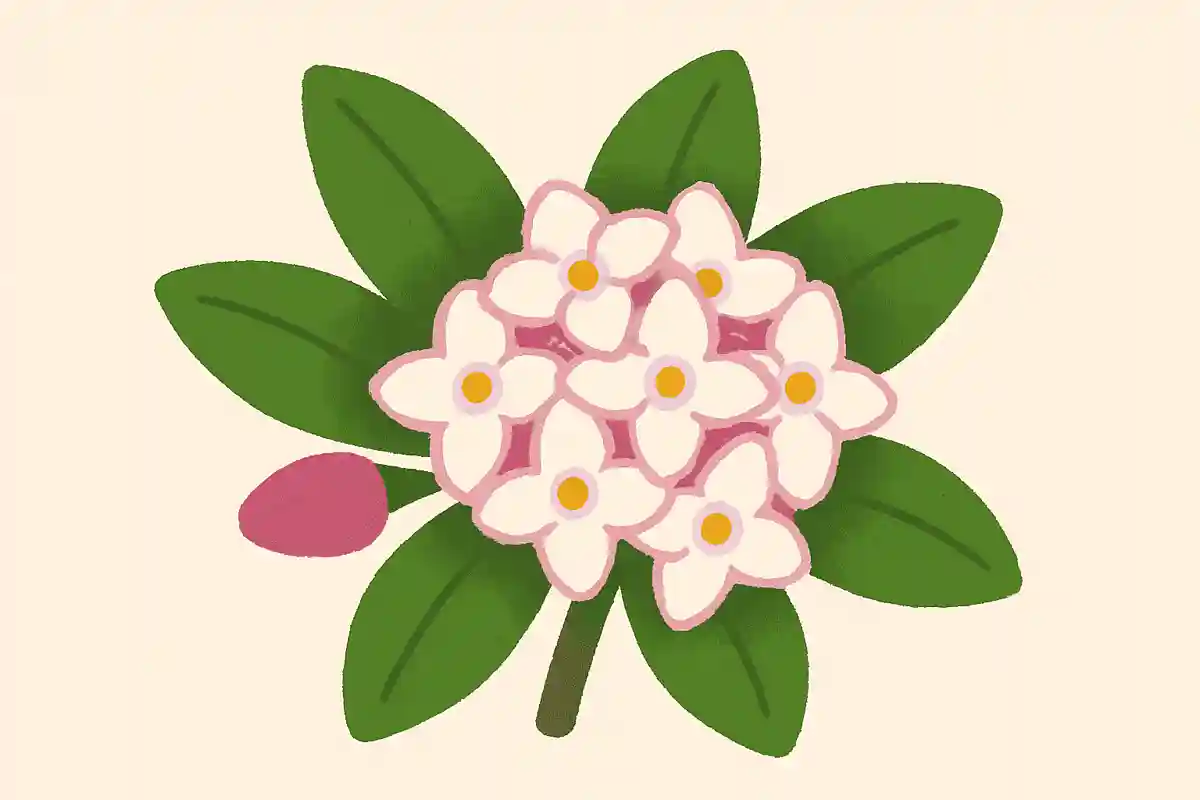
How do you read “沈丁花”?
See the answer
Daphne odora
It is a flower that blooms in tight clusters in spring and releases a sweet, strong fragrance. The flowers come in white and reddish purple, and their scent evokes the arrival of spring. Its flower language is “glory” and “eternal love,” and it has long been cherished as a garden shrub. Small yet striking, it is a beloved, familiar harbinger of spring that brings calm to the heart when enveloped in its fragrance.
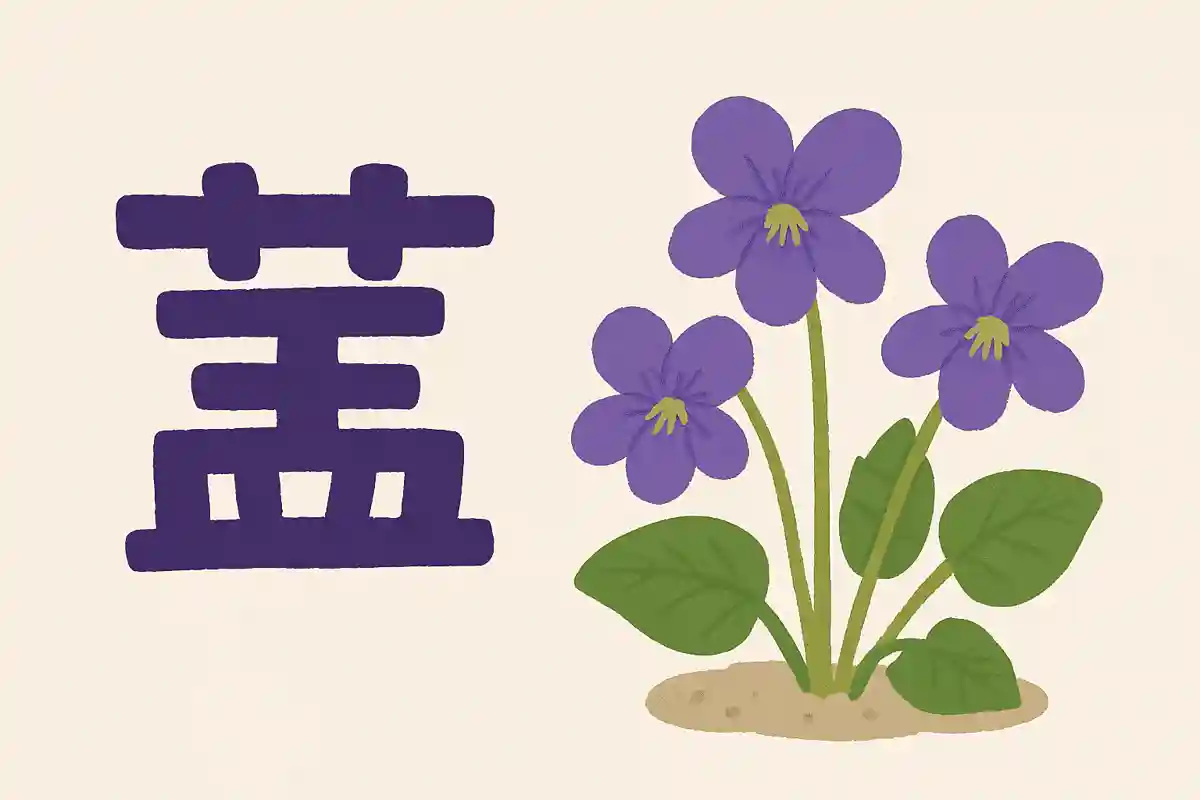
How do you read “菫”?
See the answer
Violet
The small and charming spring flower, the violet. It blooms quietly in fields and gardens, in shades of purple, white, and yellow. Its name has ancient origins and often appears in classical Japanese poetry such as waka and haiku. Its flower meanings are “humility” and “sincerity,” making it a modest yet memorable presence. As a herald of spring, it’s familiar to everyone, and spotting it on a walk brings a gentle moment of happiness.
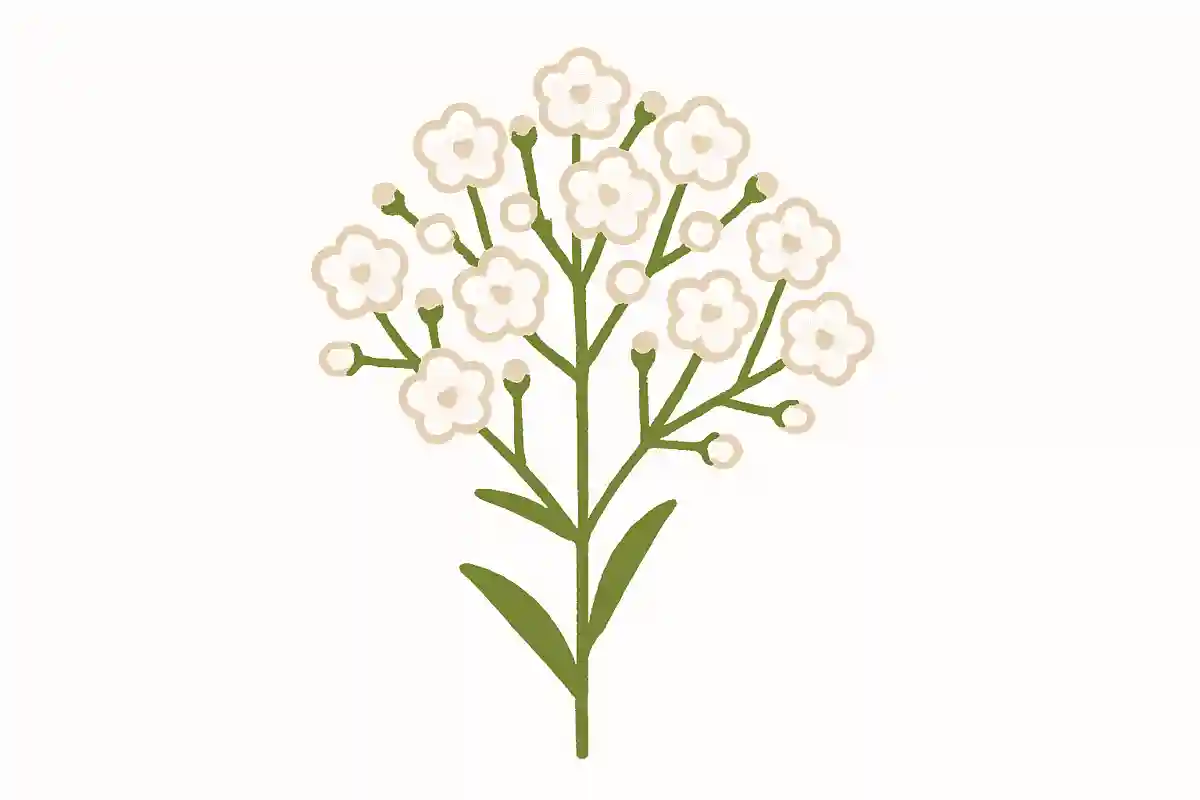
How do you read “霞草”?
See the answer
baby’s breath
It bears many small white or pale pink blossoms, a gentle flower that makes it look as if a spring haze has settled in the air. Its flower meanings are “pure heart” and “gratitude,” and it is often used as a supporting accent in bouquets and arrangements. Modest yet charming, it’s a spring flower that soothes just by looking at it, an endearing presence that quietly blooms in gardens and fields.
[How do you read this?] Check your general knowledge with a quiz on how to read kanji for flowers! (21–30)
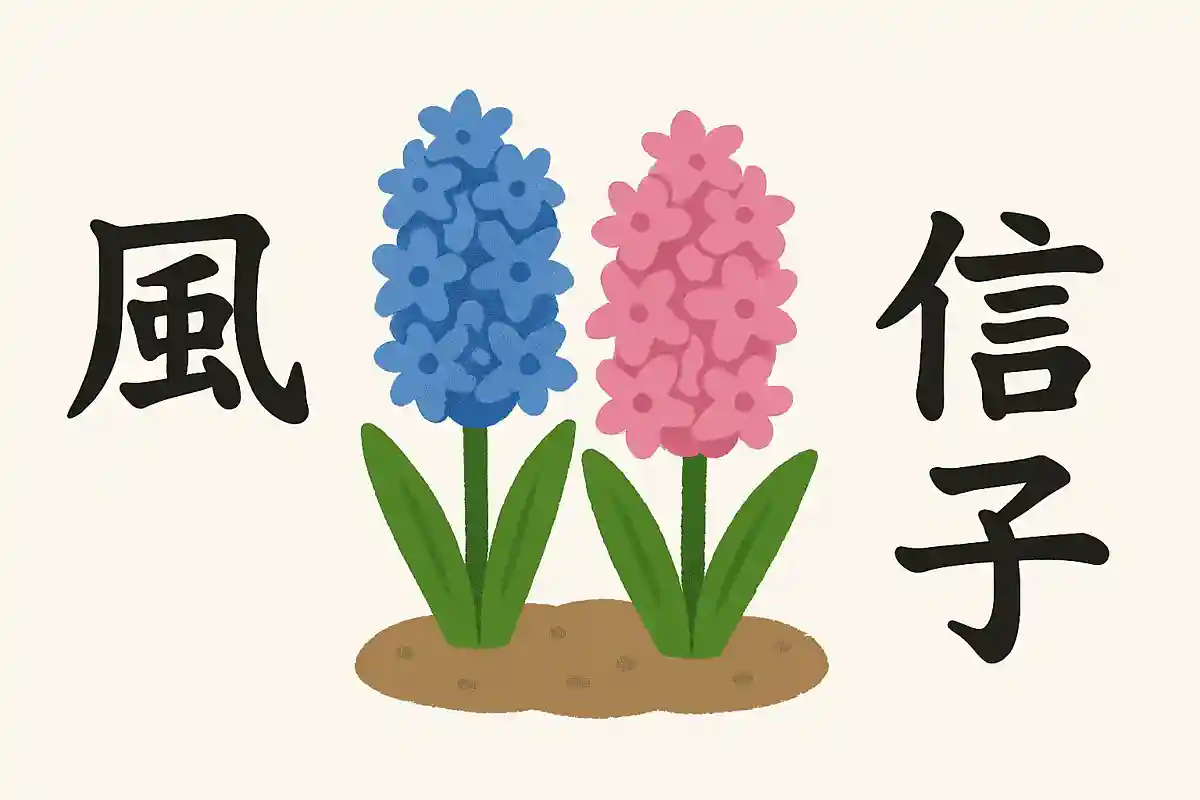
How do you read “風信子”?
See the answer
Hyacinth
Hyacinths are bulbous plants that bloom in spring with sweet fragrance and vibrant colors. They come in purple, blue, pink, and white, and can be enjoyed for both their scent and appearance. Their flower meanings are “sport,” “unchanging love,” and “modest love,” and they brighten spring gardens and flower beds. Even though the blossoms are small, their dense clusters and gentle fragrance lift the spirits of those who see them, making them a quintessential spring flower.