

![[For Elementary School Students] Brain Training with Kanji Decomposition Quiz! Guess the Complete Kanji from Its Parts](https://media.ragnet.co.jp/img/1200__png__https://www.studiorag.com/files/2025/08/90639441633e5302b65edb0e38ddf31b.webp)
[For Elementary School Students] Brain Training with Kanji Decomposition Quiz! Guess the Complete Kanji from Its Parts

Each kanji character hides an interesting origin of its own.
By learning how they came to be, kanji feel more familiar and become easier to remember naturally.
How about trying a kanji breakdown quiz with your elementary school child? Splitting kanji into radicals and parts to figure out the completed character is as fun as solving a puzzle.
Even kanji that look difficult can become simple and fascinating once you break them down! This time, we’ll introduce kanji breakdown quizzes that elementary school students can enjoy.
[For Elementary School Students] Brain Training with Kanji Decomposition Quiz! Guess the Complete Kanji from Its Parts (1–10)
step + earth/soil + sun (measurement unit)
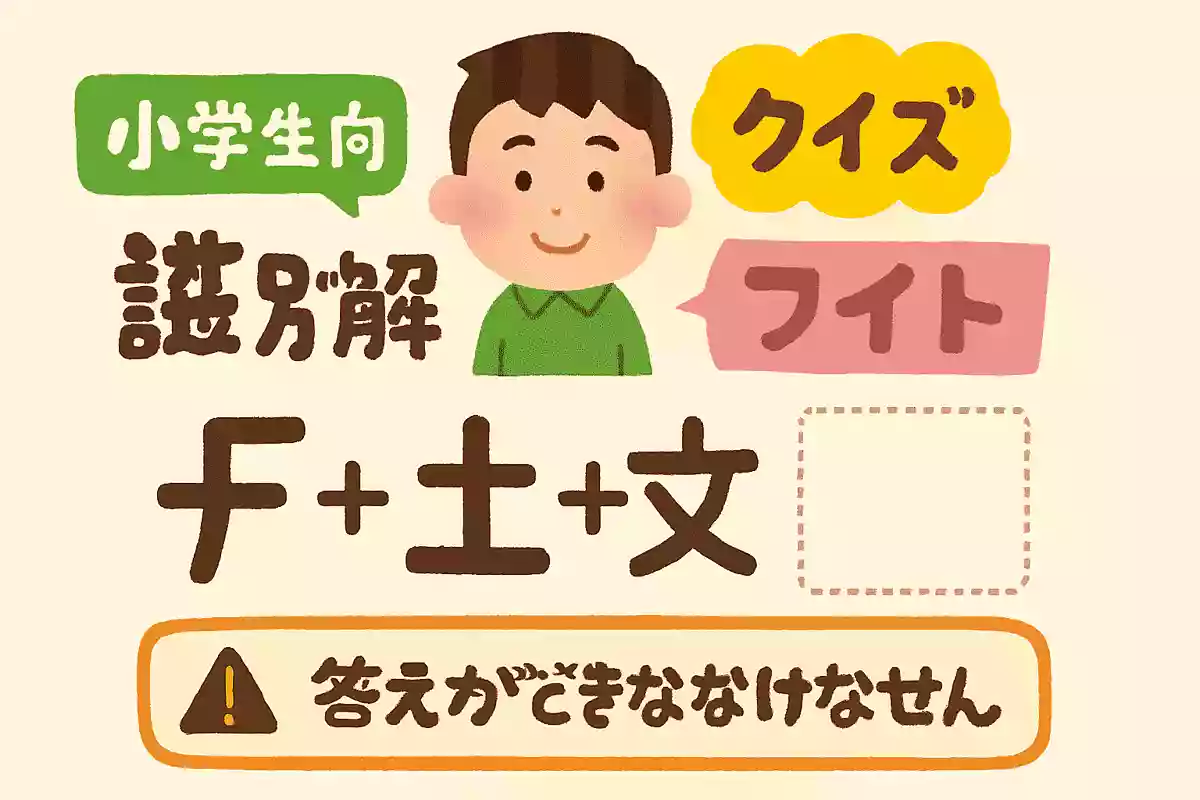
You can use this when you’re thinking, “I wonder if they’re still not here yet?” or “Are they not here yet?”
See the answer
wait
The kanji 待 is made up of the components 彳, 土, and 寸. Inside 待, you can see the kanji 寺, right? 寺 carries the meaning of holding something and remaining in that state—being stopped. 彳 is the “gyōninben” radical, which represents a road, and it depicts the image of someone’s feet stopping along the way while holding something in their hand.

The character formed by combining イ (person radical), 口 (mouth), and 古 (old) is the kanji 咎, which means “fault,” “blame,” or “to reproach.”
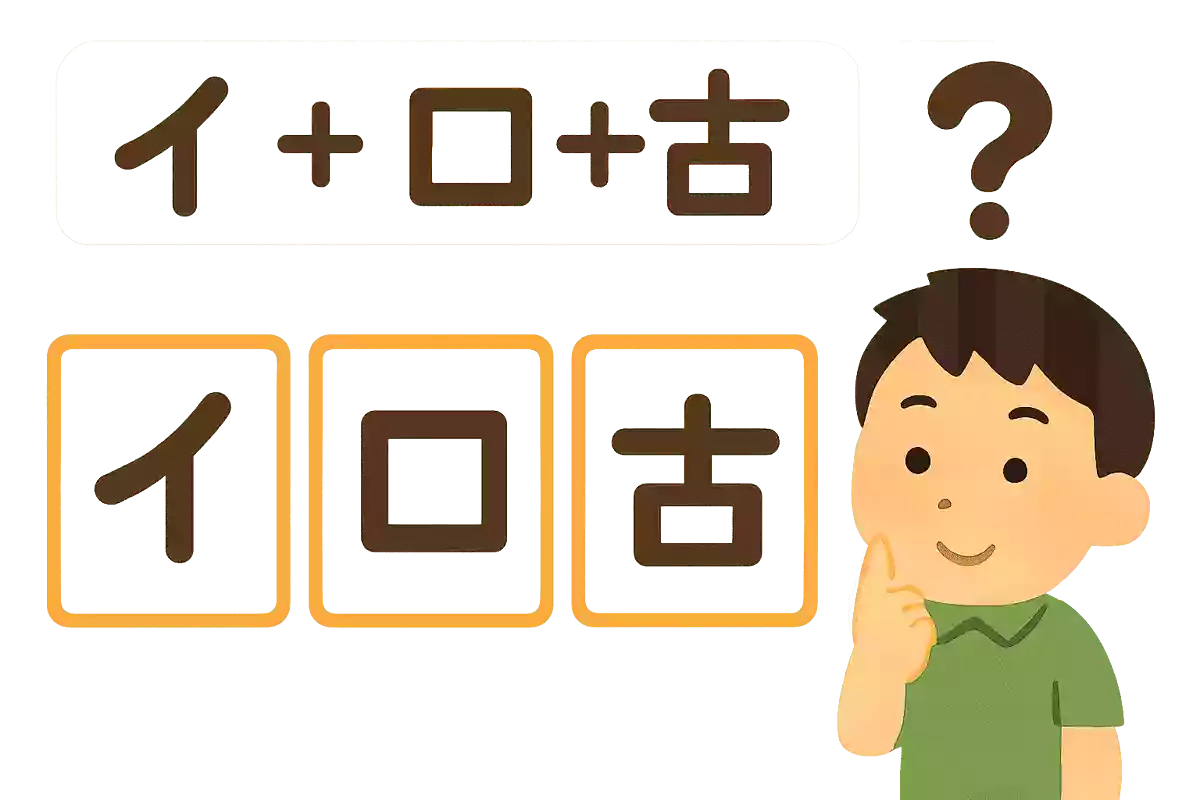
You use it when counting something.
See the answer
piece
With イ, 口, and 古, the kanji 個 is formed. イ is said to represent the shape of a person seen from the side; it’s also known as the “ninben,” the person radical. The character 固 next to イ conveys the meaning of a hard helmet. In other words, from a strong, independent person comes 個, which carries the meaning of “one person” or “individual.”
I + stand + sun/day + heart
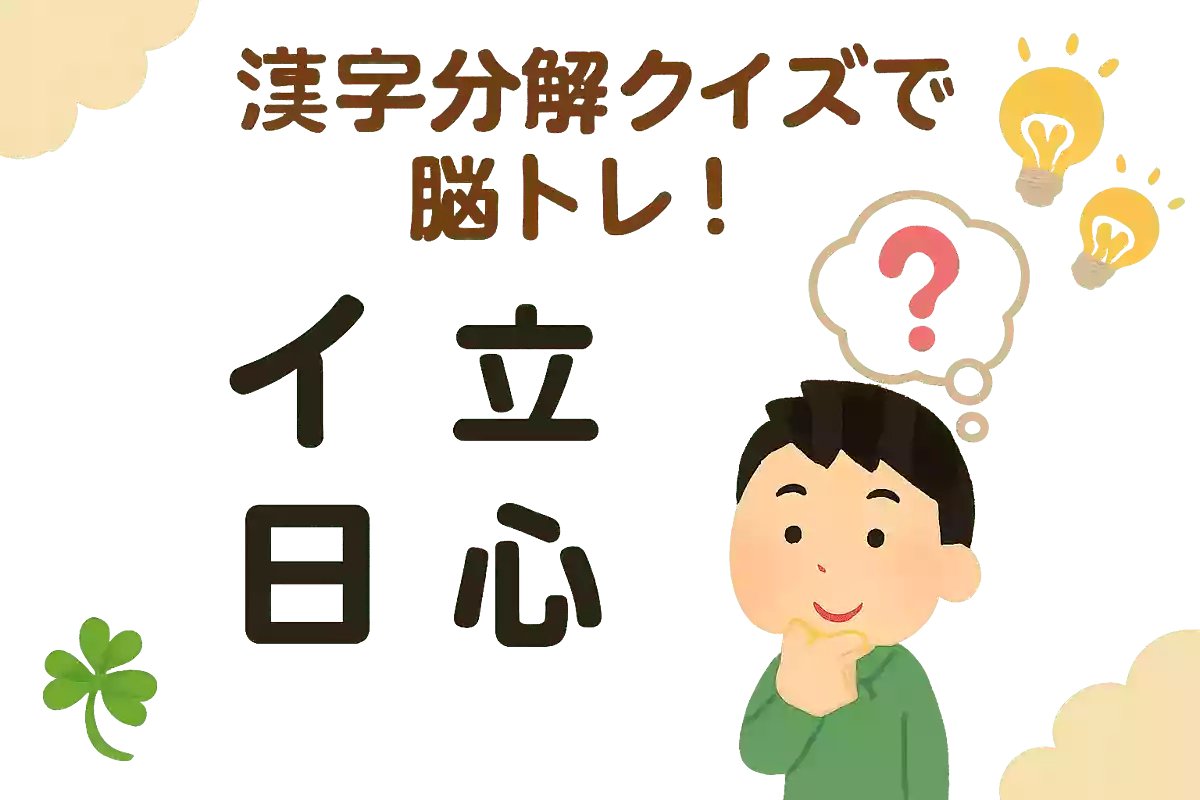
You use it when expressing a very large number.
See the answer
hundred million
How far can you say the digits of numbers? There’s an impressive kanji used to represent large numbers: 億 (oku, one hundred million). 億 is made up of the components イ, 立, 日, and 心. But 億 is used for more than just place values in numbers. Written as 億る, it can also be read oshihakaru, meaning to “guess” or “suppose,” reflecting a person’s feelings. The character 億 is composed of the person radical ninben (亻) and the character 意, which carries meanings related to thinking or the heart/mind. For that reason, the original sense of 億 is connected to the feeling of thinking various things about people.
mouth + sun + sun
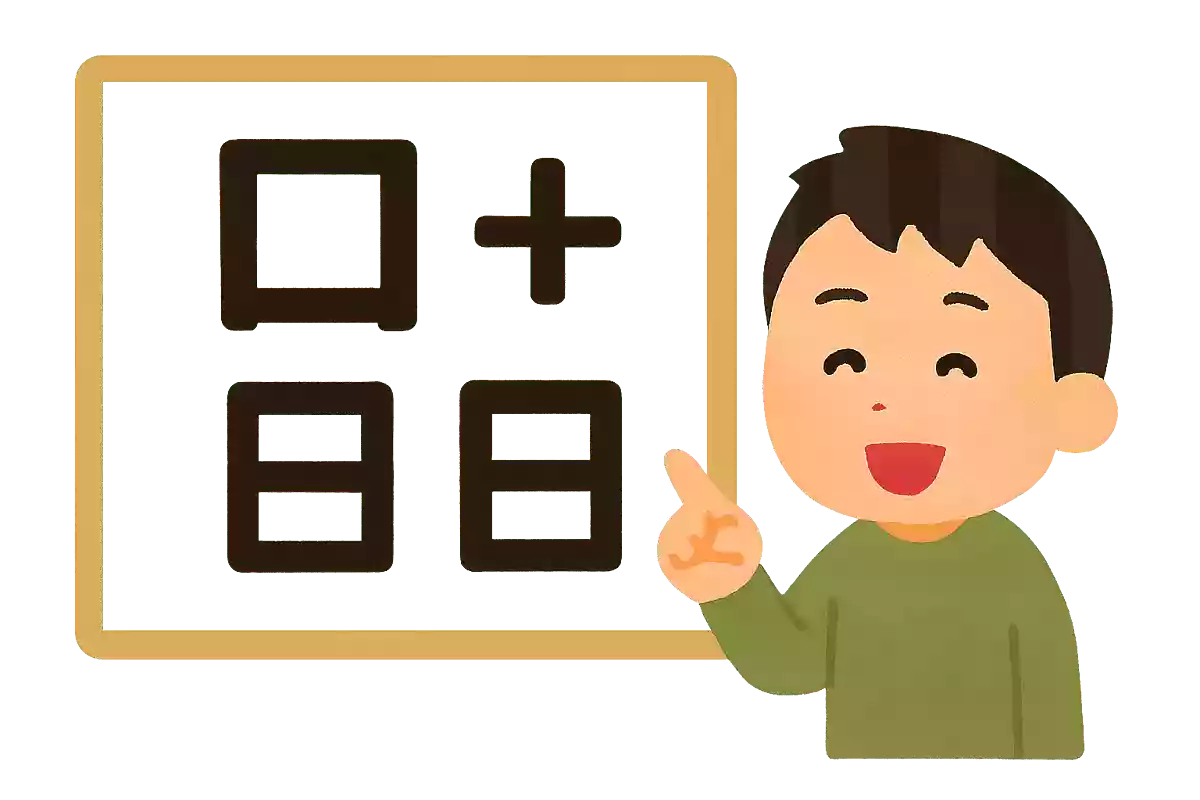
It's a kanji that means 'to sing.'
See the answer
chant
The kanji made up of two “mouth” (口) and “sun/day” (日) components is 唱. It is said to come from the image of opening the mouth to produce sound. Isn’t 唱 a kanji we use in everyday life? At school, when everyone sings together it’s called 合唱 (chorus), and among songs used in school education there are the Monbushō shōka (Ministry of Education songs). Also, saying an incantation is expressed with the verb 唱える (to chant/intonate).
Shaku + Day/Sun + One
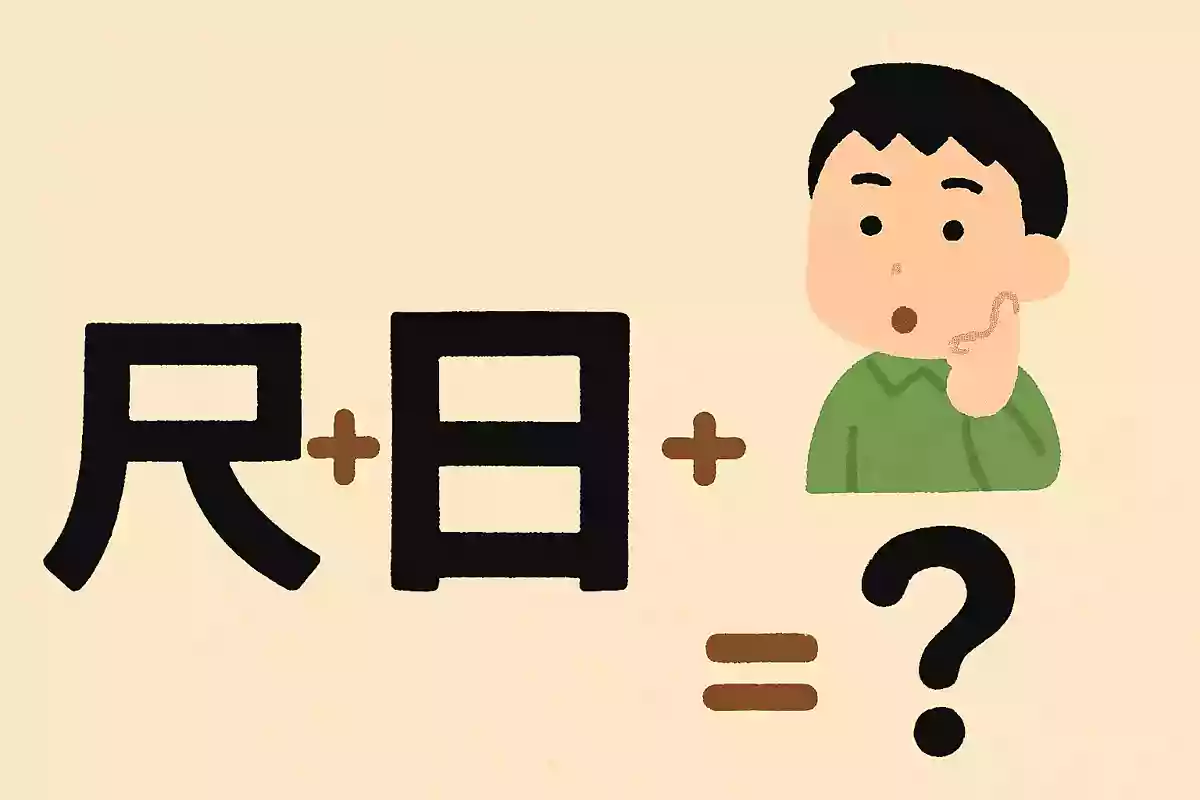
The bright time when the clock points to twelve o’clock.
See the answer
noon
Daytime, the time when many people are active, is written with a character composed of the elements for “sun,” “measure,” and “one.” If you break the character for daytime down, you might wonder, “Why do we use this character?” The origin of the character for daytime comes from an associative compound. An associative compound combines the meanings of existing characters to create a new character with its own meaning. The character for daytime is formed from the sun and an older character that means to divide or separate. Among the periods of time divided by the sun’s rising and setting, it represents the span when the sun is above the horizon.
bow + mu + insect
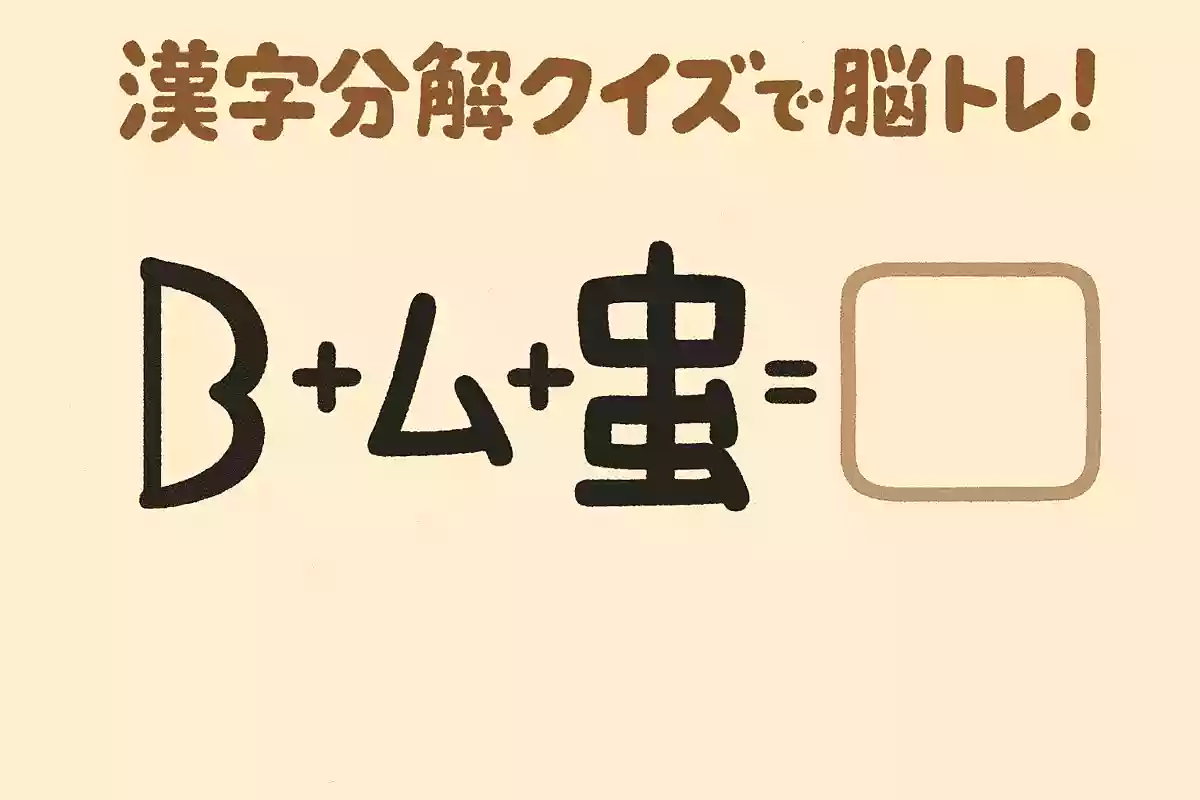
What's the opposite of 'weak'?
See the answer
strong
The kanji 強 (tsuyoi, meaning “strong”) is made up of the components for bow (弓), mu (ム), and insect (虫). Have you ever wondered why the character for “strong” contains an insect? There are several theories about its origin, but one explanation is that combining 弓 and ム forms the character 弘, which is said to depict a bow without a string. The 虫 component represents tegusu thread made from the secretions of silkworms or certain moth larvae. Because tegusu thread is strong, the character came to be used with the modern meaning of “strong.”
rice field + power
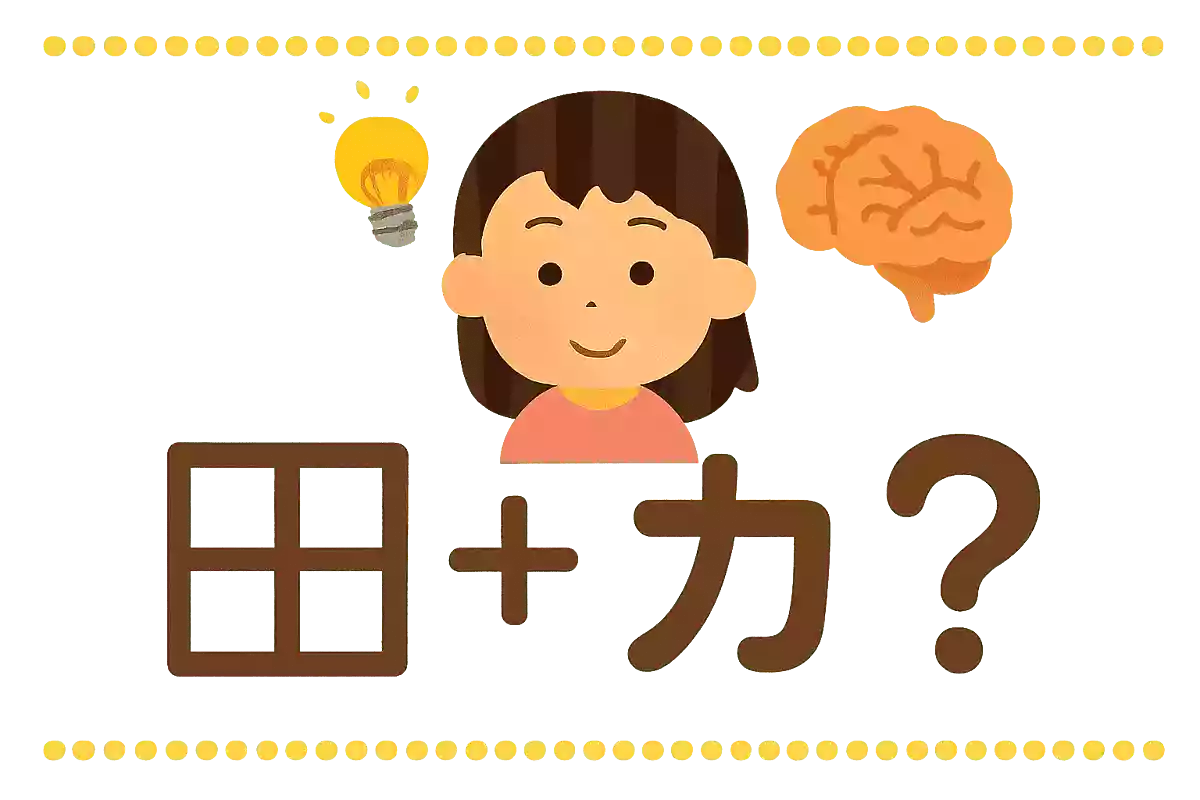
What if we try placing the two vertically?
See the answer
man
Combine the kanji 田 (ta) and 力 (chikara), and you get the kanji 男 (otoko, “man”). Both 田 and 力 are taught in the first grade of elementary school, and 男 is also learned in first grade. 田 represents a rice field, and 力 is said to depict the farming tool, the plow. There’s also another theory: since 力 is read as “chikara” (strength), it can be interpreted as “from blood” (chi kara), evoking tensed muscles—an image of doing hard labor in the rice fields. Thus, hard physical work equals “man,” giving the character its meaning.