

Where Do You Split It? A Word-Splitting Quiz That Even Elementary Schoolers Love

“Les Misérables,” “tiramisu,” “Triceratops”… Doesn’t a familiar word suddenly start to look strange when you change where you split it? This quiz, hugely popular even with elementary schoolers, has a simple rule—guess where to break a katakana word—but it’s packed with the fun of learning about origins and meanings, too.
Here, we showcase plenty of wordplay that will make you blurt out, “So that’s what it was!” Everyone, come enjoy exploring the depth of language together.
Where do you split it? Word-segmentation quiz that even elementary school students get excited about (1–10)
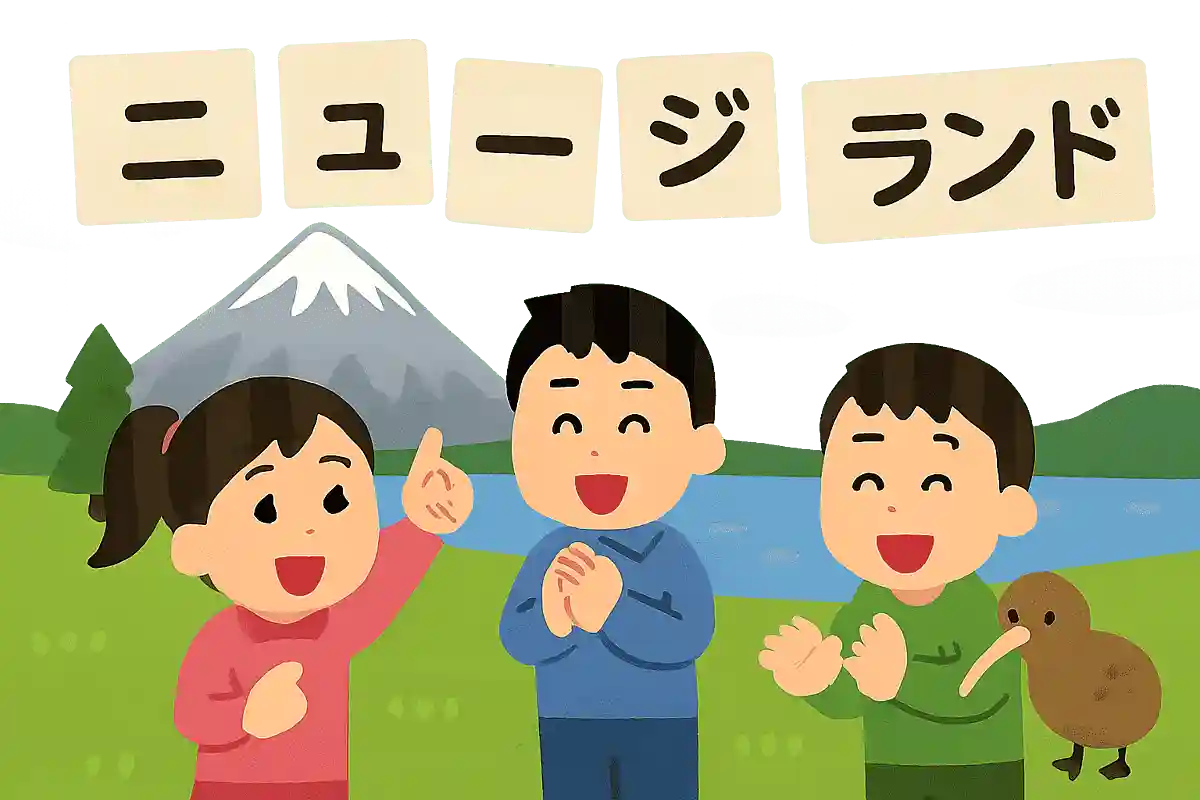
New Zealand
- New Zealand
- New Zealand
- New Zealand
See the answer
New Zealand
Since 'New' means 'new,' it can be split at the first part. Because the leader of the first European expedition to reach New Zealand was Dutch, it was named after Zeeland in the Netherlands, his homeland—'New Zeeland,' i.e., Nova Zeelandia.

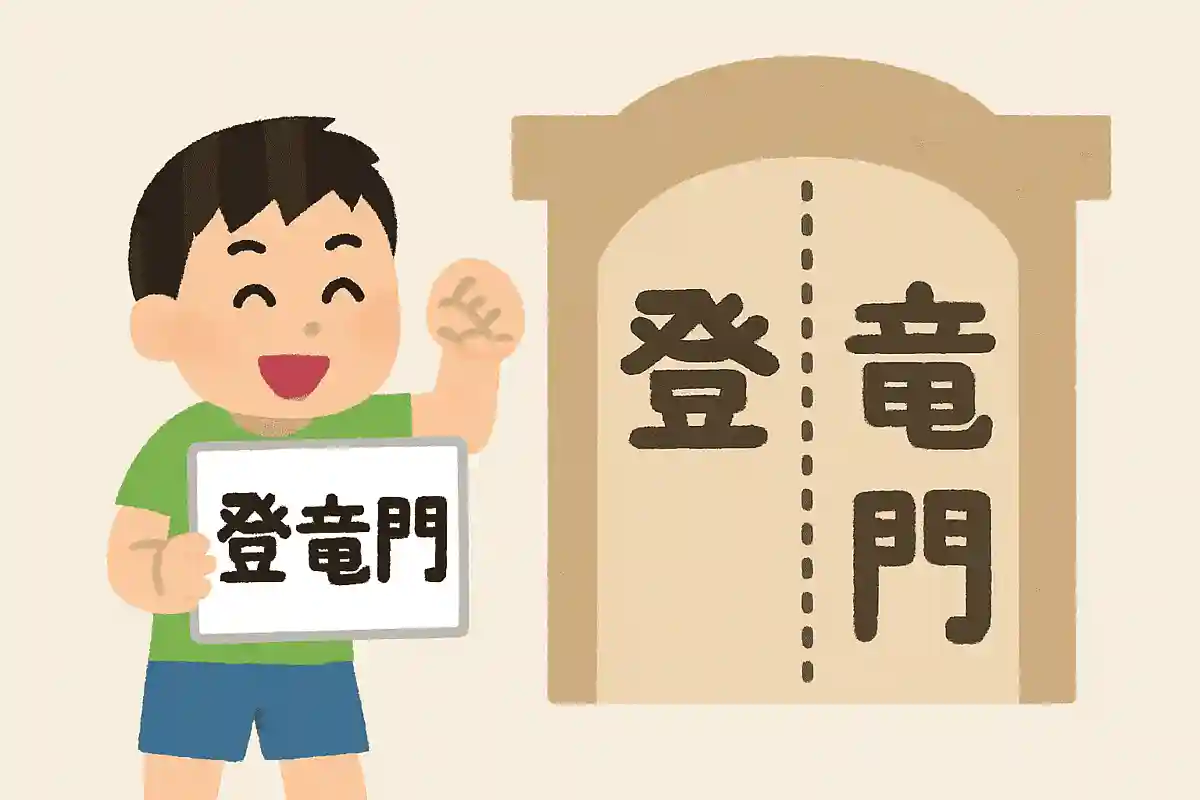
gateway to success
- Eastern Dragon Gate
- Tōryū-mon
- tō-ryū-mon (often romanized as 'tōryūmon'); literally 'gate to rise like a carp,' commonly referring to 'gateway to success' or 'rite of passage' (from 登竜門)
See the answer
Eastern Dragon Gate
We split it into “登” and “竜門.” “Tōryūmon” (literally “ascending the Dragon Gate”) is based on a Chinese legend that a carp that climbs the rapid waterfall called the Dragon Gate becomes a dragon. It means seizing an opportunity for success by overcoming a difficult barrier or examination.
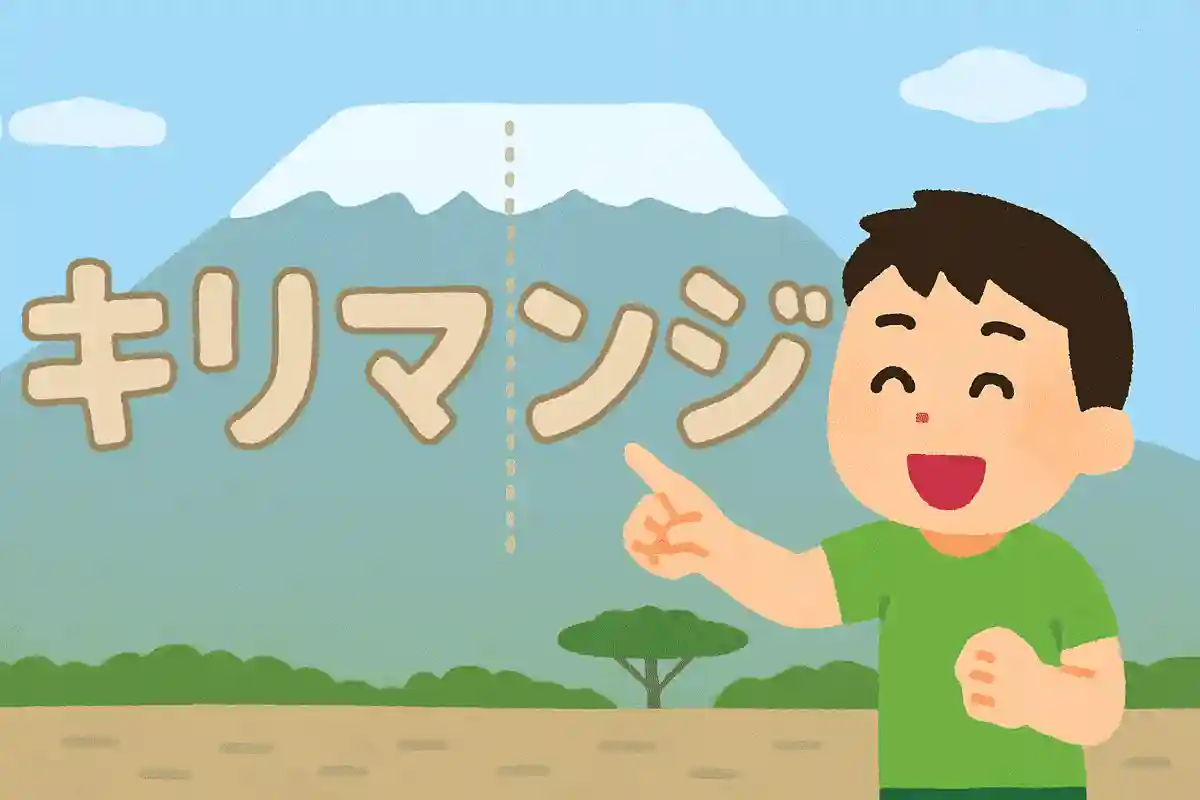
Kilimanjaro
- Kilimanjaro
- Kilimanjaro
- Kilimanjaro
See the answer
Kilimanjaro
“Kilimanjaro” can be divided into “Kilima” and “Njaro.” It derives from Mount Kilimanjaro, famous as a coffee-growing region. A common theory holds that the name’s etymology means “the white, shining mountain,” but the exact origin is uncertain.
Mona Lisa
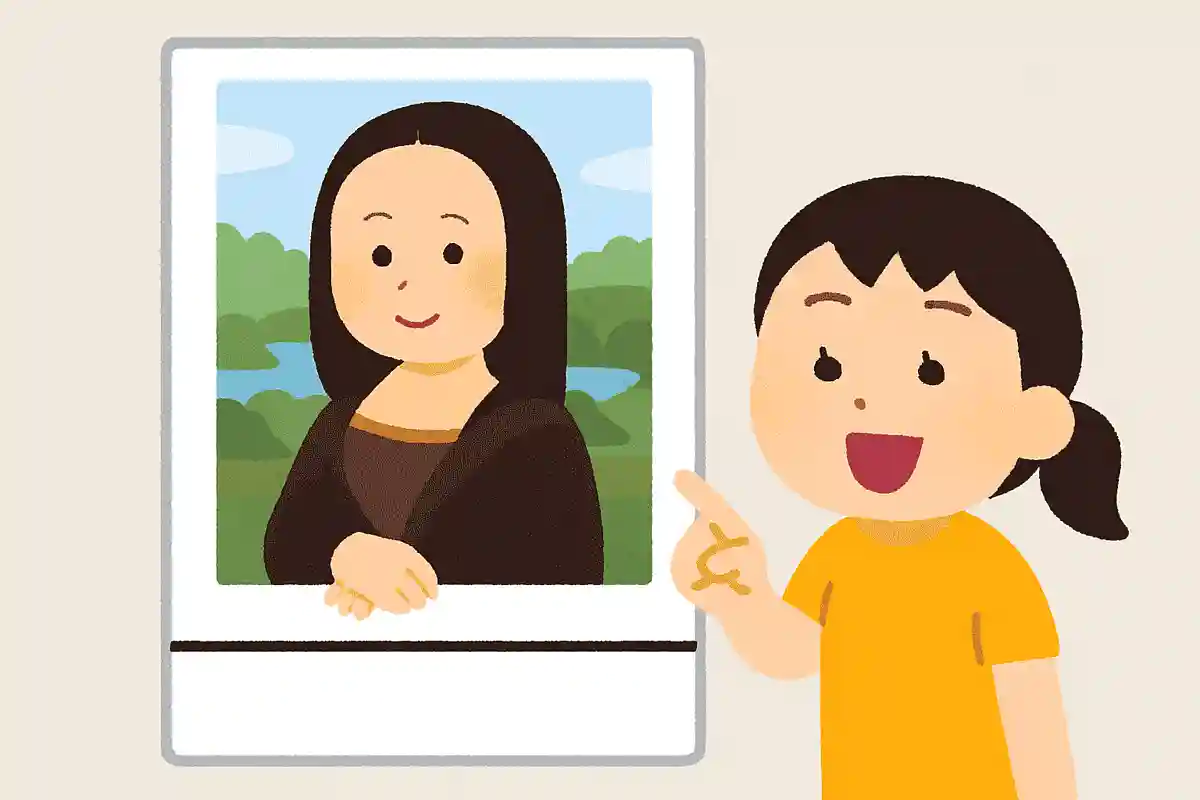
- Mona Lisa
- Mo-Na Lisa
- Mona Lisa
See the answer
Mona Lisa
Mona Lisa can be read in two parts: “Mona” and “Lisa.” The Mona Lisa is a painting of a woman’s smile by Leonardo da Vinci. “Mona” conveys the meaning of “lady,” and “Lisa” refers to Lisa Gherardini, the Italian woman who modeled for it. The use of color and technique are excellent, and it continues to be carefully preserved today.
prima donna
- Prima donna
- prima donna
- Prima donna
See the answer
prima donna
“Primadonna” is an Italian word that means the leading female singer in opera and similar performances. “Prima” means leading, and “donna” means woman. She is someone who drives the stage with high technical skill and expressive power. It’s an important role that brings emotion to everyone.
helicopter
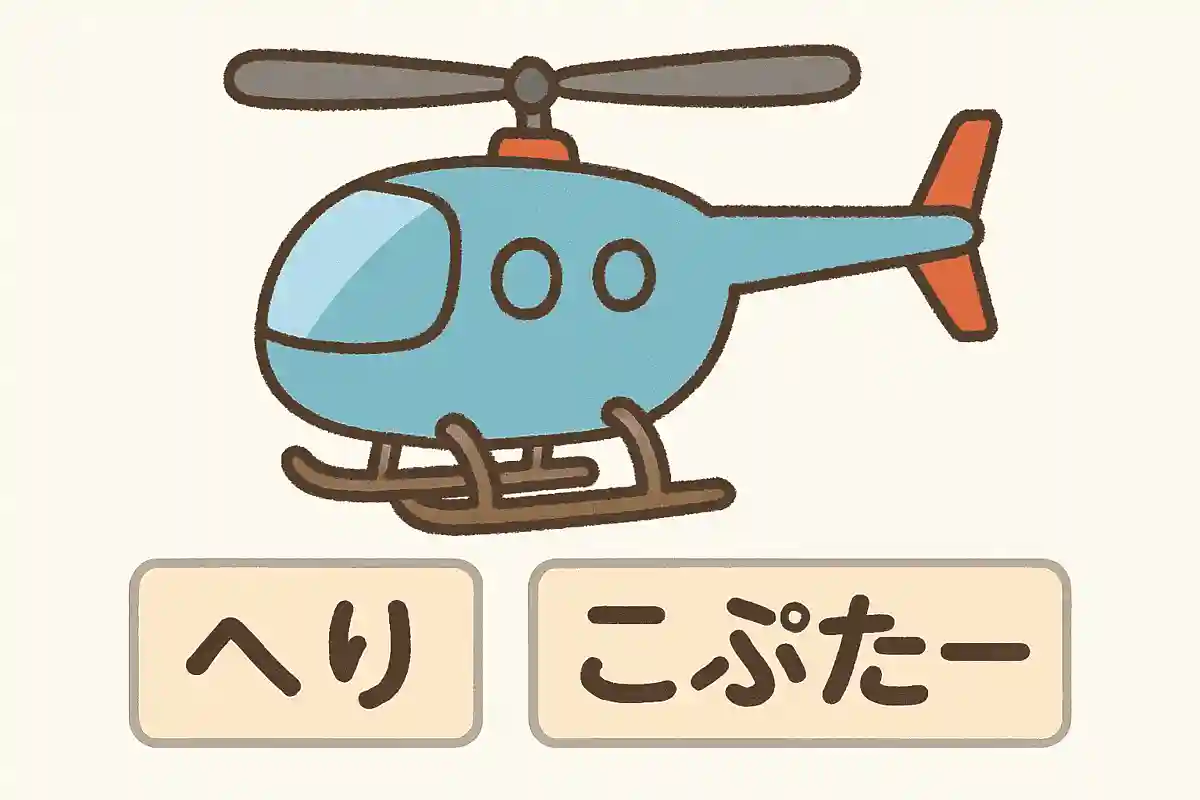
- helicopter
- helicopter
- He-ricopter
See the answer
helicopter
Many people may think of it as “heri-kopter.” The word helicopter comes from the Greek helix or helic, meaning “spiral,” and pteron, meaning “wing,” and is based on a coined term formed by combining these two.
Triceratops
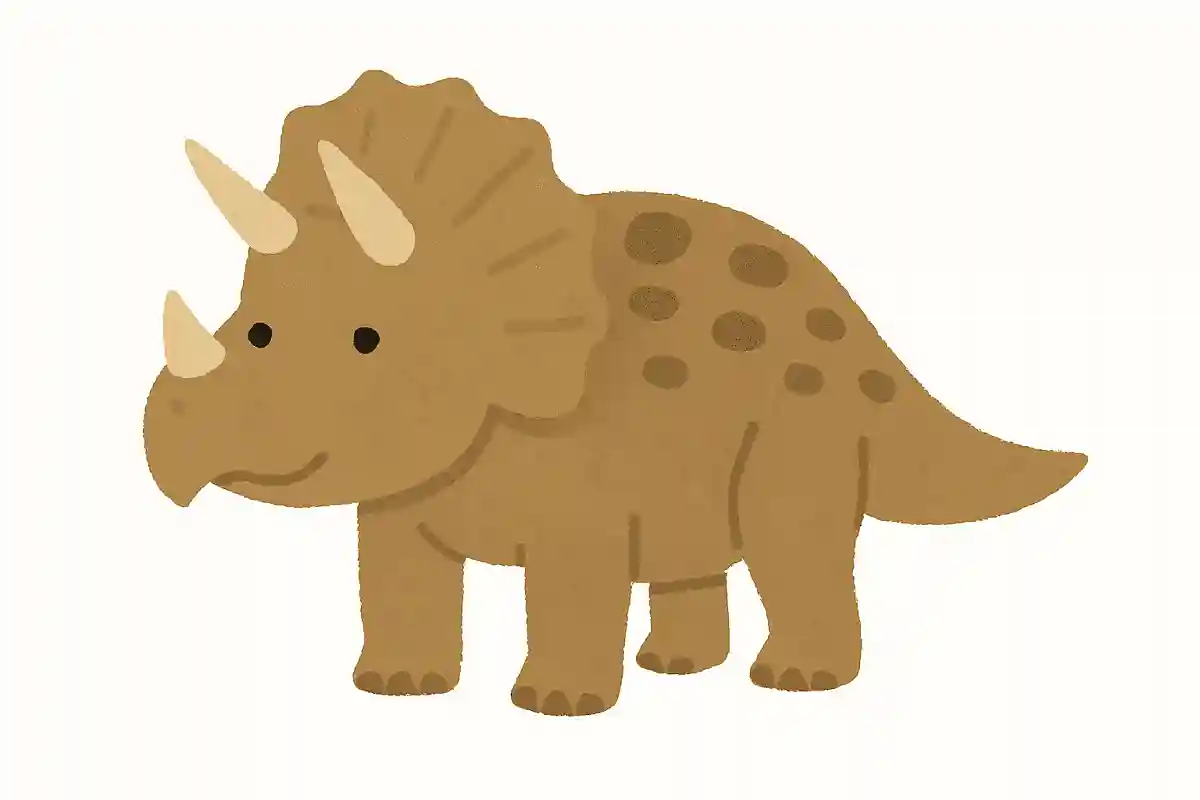
- Triceratops
- Triceratops
- Triceratops
See the answer
Triceratops
“Triceratops” can be divided into “tri,” “keras,” and “ops.” In Greek, “tri” means “three,” “keras” means “horn,” and “ops” means “face.” In other words, it means “a dinosaur with a three-horned face.”