

Fun trick riddles you can enjoy in elementary school!

Elementary school children are in a very curious stage.
As they move up through the grades, their ability to understand humor grows rapidly.
They value communication with friends and sometimes think from their own unique perspective.
Here, we introduce trick questions that make the most of those traits and can be enjoyed in elementary school! The questions are simple, but they can draw out surprising answers and original thinking.
There are plenty of quizzes that adults can enjoy too, so kids and adults alike can think together, laugh, and have a great time!
Fun Trick Riddles You Can Enjoy in Elementary School (1–10)
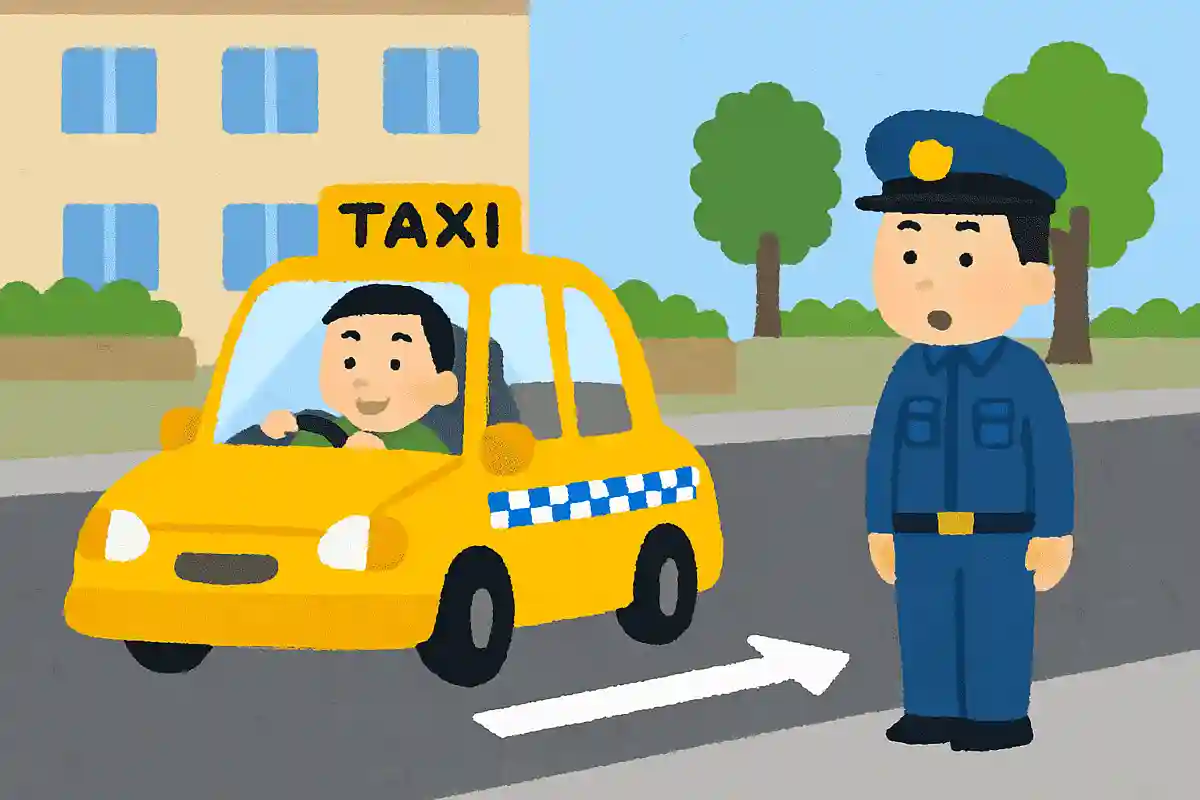
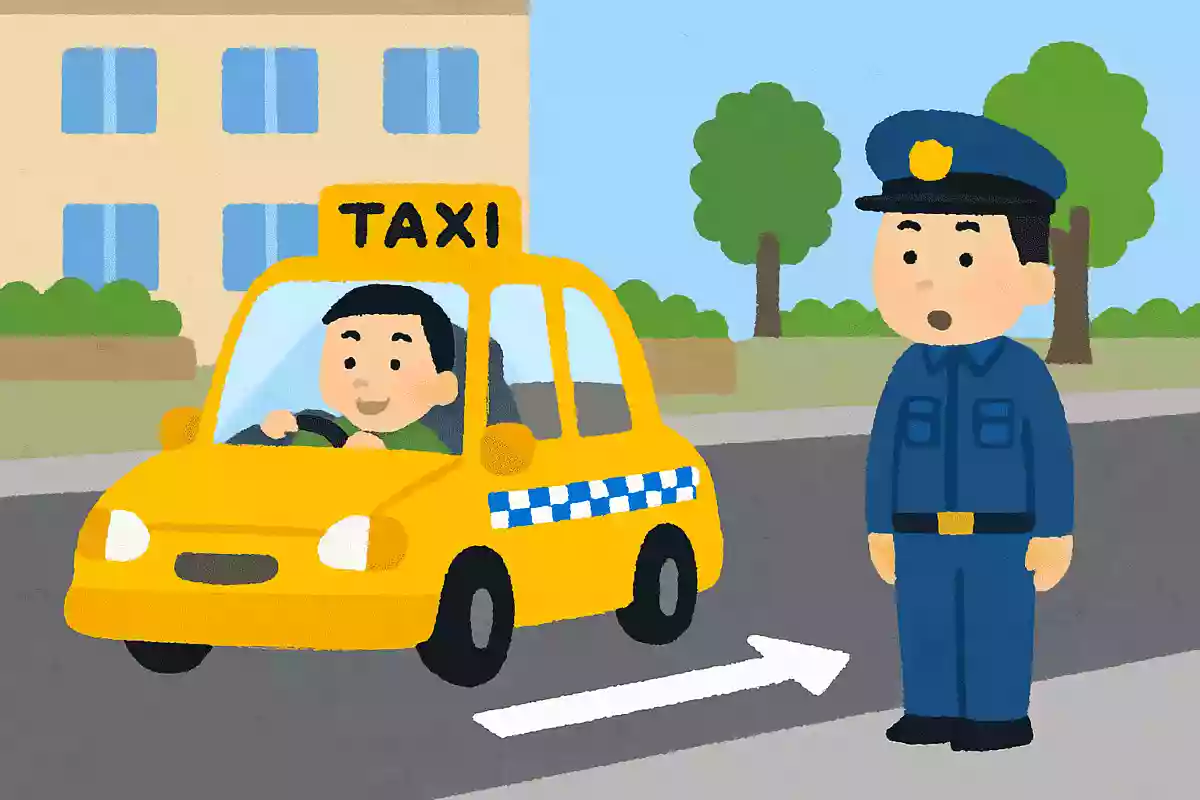
A taxi driver is going the wrong way down the road, but the police don’t stop him. Why is that?
See the answer
Because it’s the driver who’s running
The reason the taxi driver is going the wrong way down the road is that he isn’t driving a car—he’s walking or running himself. In other words, it’s a person running, not a car, so the police don’t stop him. The key is that it’s a play on the meaning of the words.

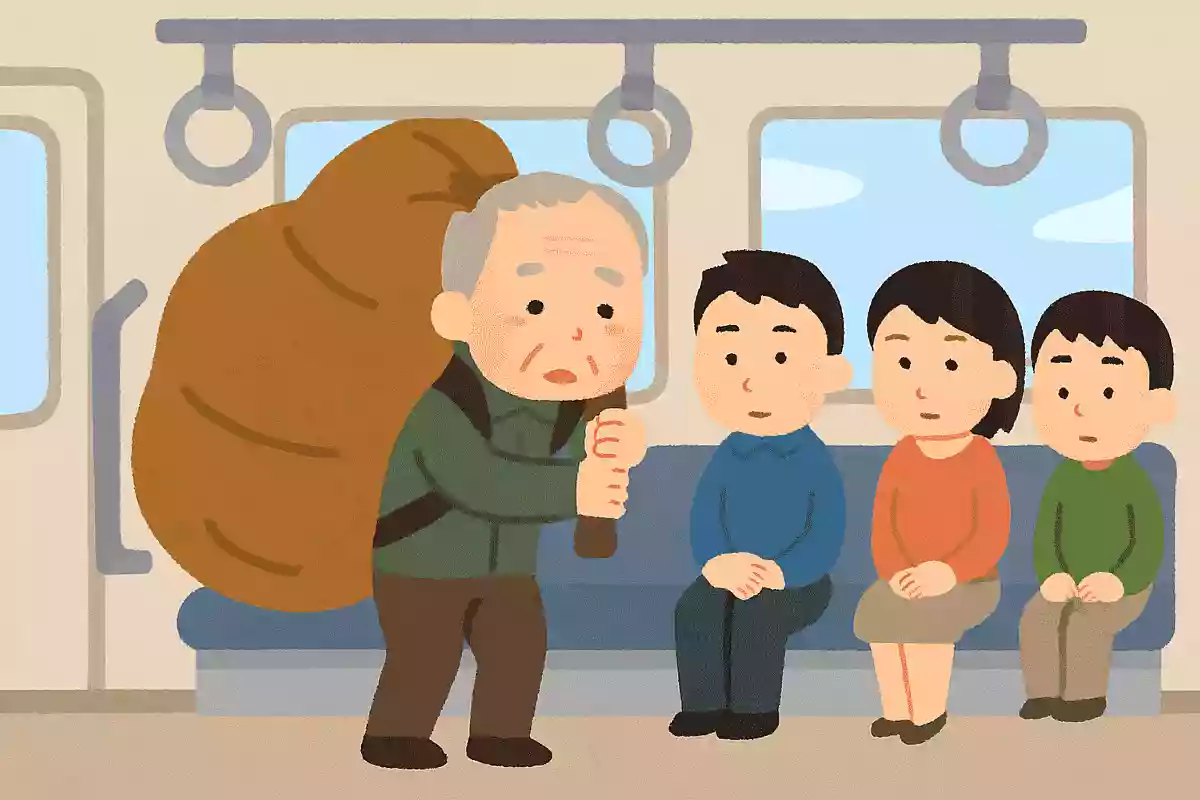
An elderly person carrying large luggage got on the train. But no one offered their seat. Why do you think that is?
See the answer
Because there were many seats available.
The reason the people around didn’t offer their seats when an elderly person carrying large luggage got on the train was that there were plenty of empty seats to begin with. In other words, the elderly person could sit wherever they liked, so there was no need for anyone to go out of their way to give up a seat.
What time is it now?
See the answer
two characters
When someone asks, “What time is it now?” you’d normally answer with a time like three o’clock or six o’clock, right? But this riddle is different. If you focus on the phrase “What time is it now?” itself, it contains two words—“now” and “what time”—so together it makes ‘two characters’ (ni-moji).
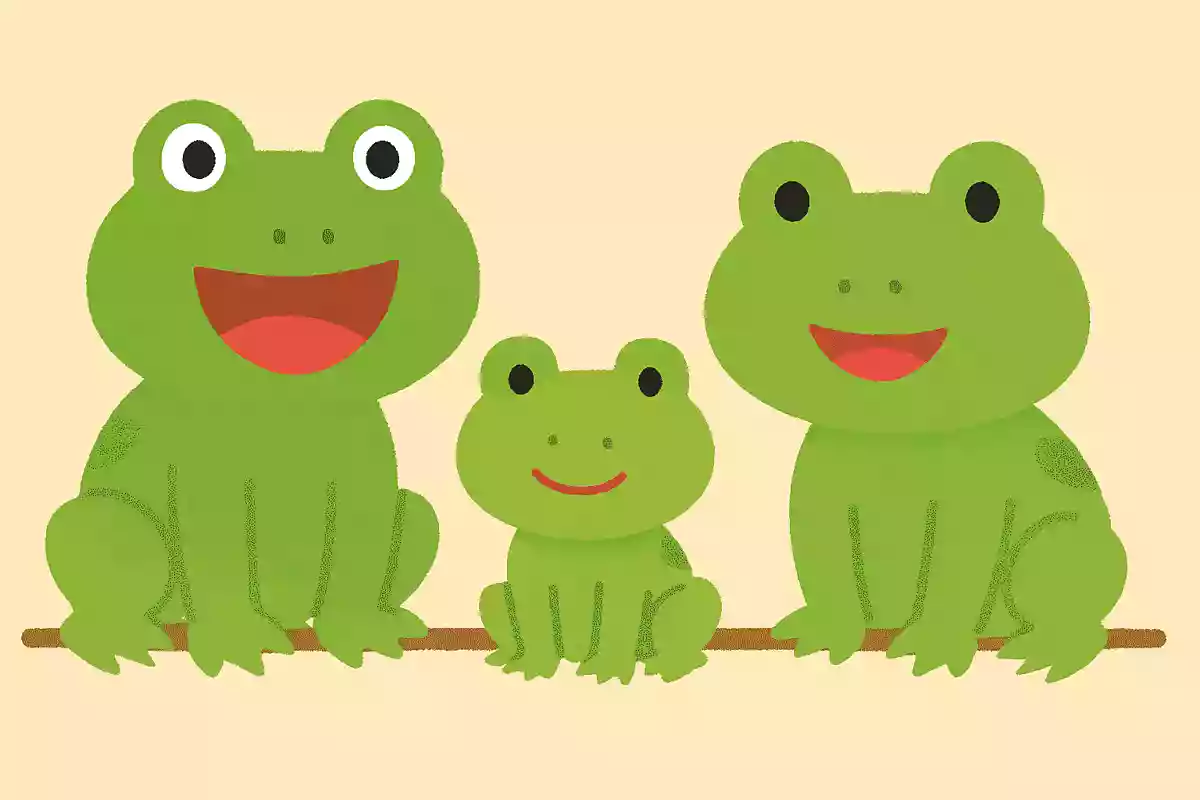
Daddy frog goes ribbit-ribbit-ribbit, Mommy frog goes ribbit-ribbit, so what sound does the baby frog make?
See the answer
I won’t cry.
Young frogs are still in the tadpole stage, so they can’t croak like adult frogs. That’s why the answer is “they don’t cry/make sounds.” Comparing them to the calls of their father and mother helps you notice the differences in development. Not only appearance but also whether they can make sounds is a point of growth.
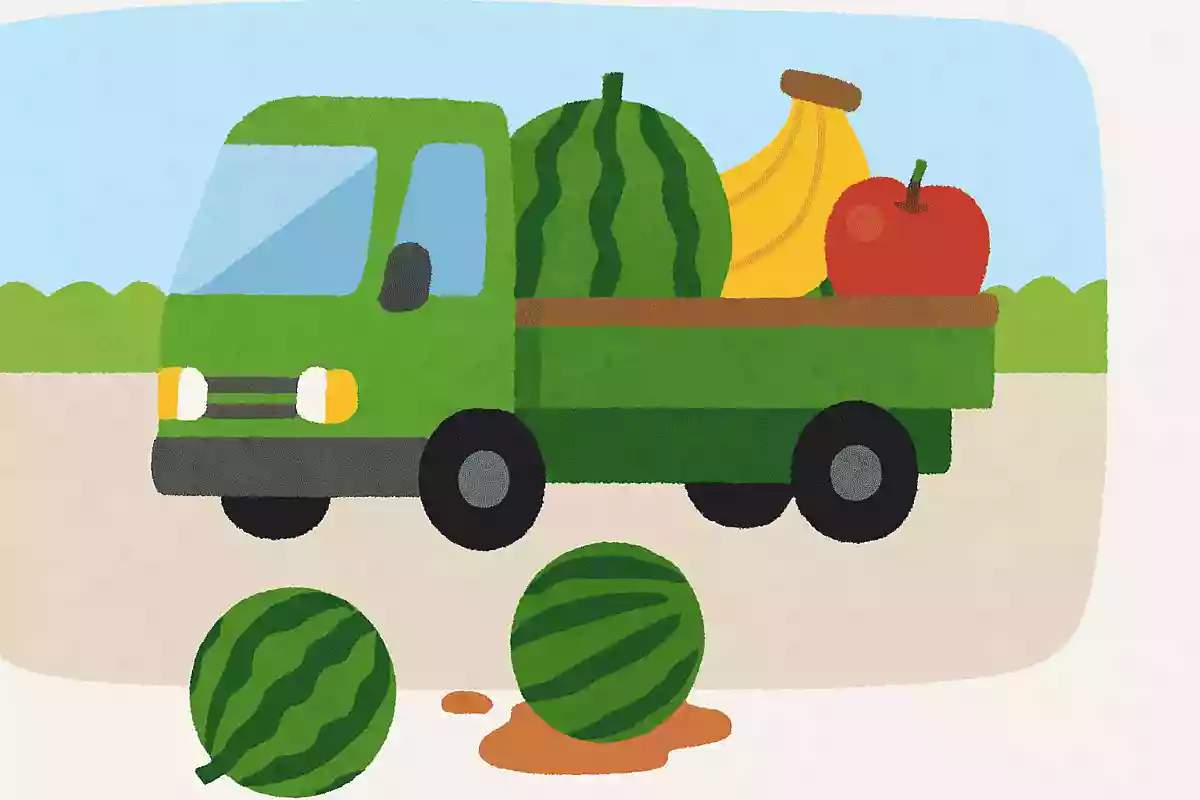
A truck loaded with watermelon, bananas, and apples dropped something. What did it drop?
See the answer
speed
What the truck dropped was not the fruit it was carrying, but its speed (velocity). This indicates that the truck suddenly slowed down. In other words, even if it was loaded with watermelons, bananas, and apples, what actually gets dropped isn’t the cargo, but the speed of its movement.
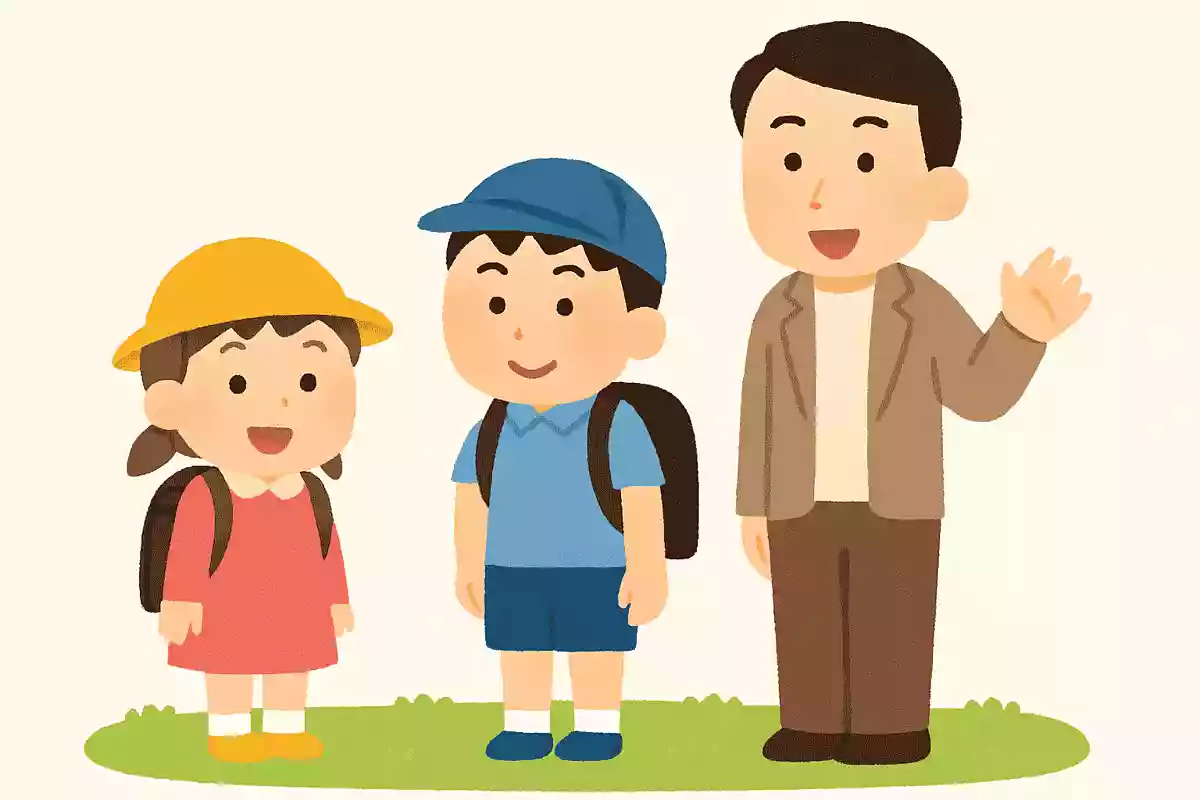
Among kindergarteners, elementary school students, and adults, which is the biggest?
See the answer
kindergarten
A kindergarten isn’t a person; it’s the name of a building. Elementary school students and adults are people, but a kindergarten is a large building that many people can enter. So if you compare sizes, the kindergarten is the biggest. The key to this riddle is noticing the meanings of the words.
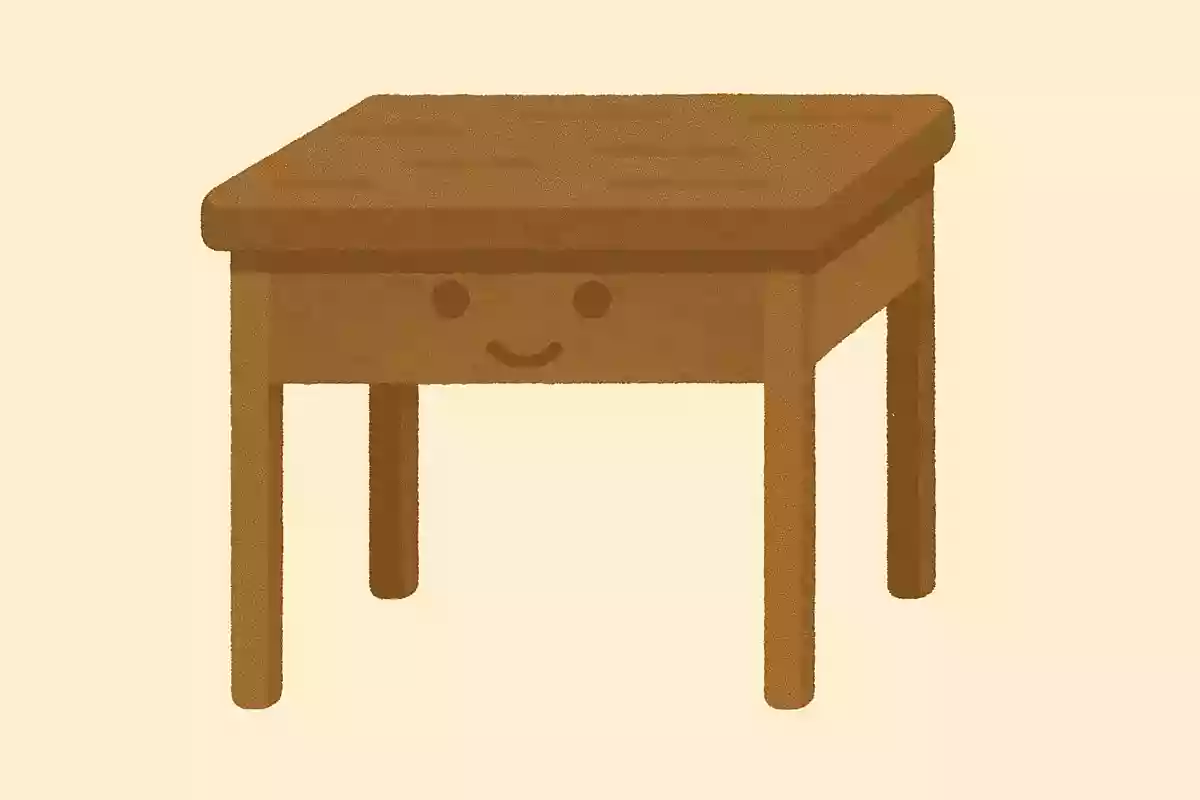
What has four legs but cannot walk?
See the answer
chair
A chair has four legs, but it can’t walk on its own. It can’t move like an animal, but it stands firmly in front of a desk and is very important for people to sit on. This riddle cleverly plays on the assumption that “having legs = being able to walk.”