

For elementary school kids! Fun and amusing riddles everyone can enjoy together

As elementary school children move up through the grades, their ability to understand humor grows rapidly.
They value communication with friends and sometimes think from their own unique perspectives.
Here, we introduce fun riddles for elementary schoolers that make the most of those traits! The questions are simple, but they can draw out surprising answers and original thinking.
There are plenty of riddles that adults can enjoy too, so kids and adults alike can think together, laugh, and have a great time!
For Elementary School Kids! Fun and Entertaining Riddles Everyone Can Enjoy (1–10)
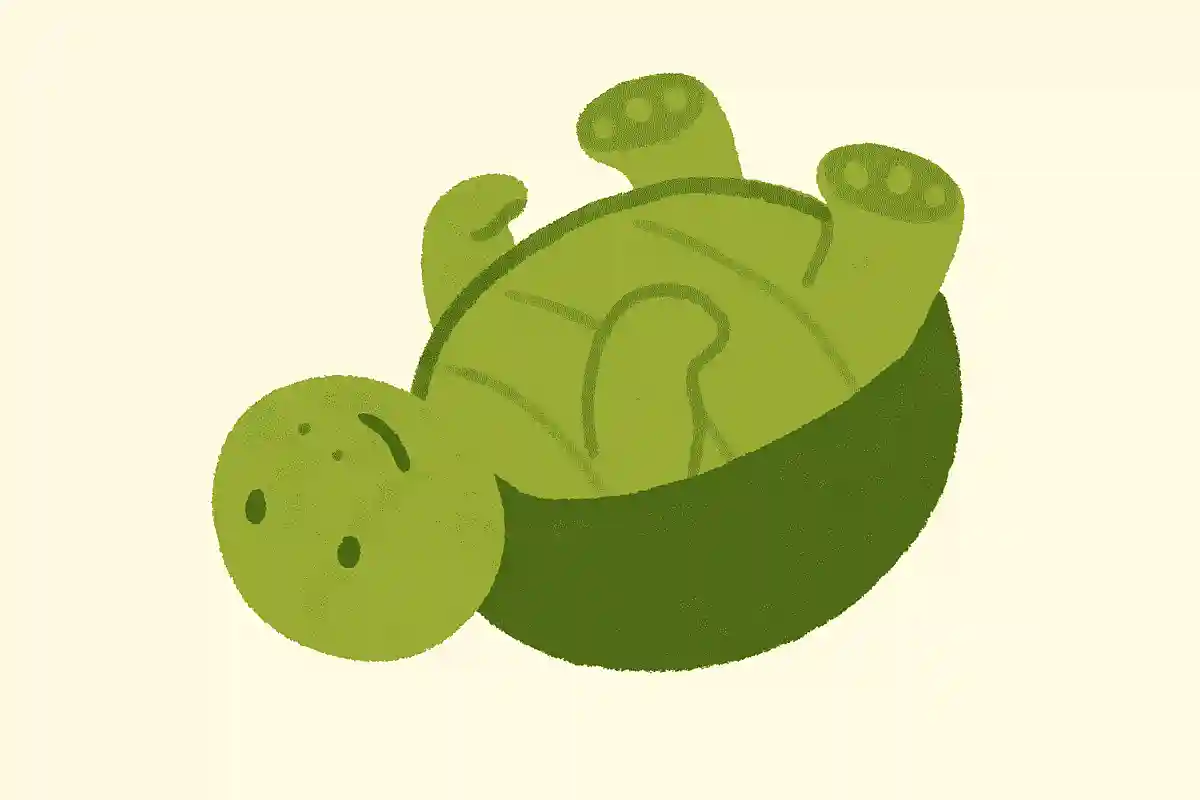
What animal gets lighter when you flip it over?

An animal that gets lighter when flipped over… Just imagining various animals flipping over makes you feel warm and fuzzy, doesn’t it? But no matter how many real animals you flip, you won’t reach the answer! And since there are so many animals, guessing at random won’t help much either.
The key to solving this riddle is to focus on the crucial word “karui” (軽い), meaning “light.”
When written in katakana, it’s “カルイ” (karui).
If you flip it—i.e., read it backward—it becomes “イルカ” (iruka), which means “dolphin.” So the answer is “dolphin.”

What kind of shellfish is a shellfish that’s taking a bath?

Speaking of shellfish, many of you have probably eaten clams, turban shells, or abalone at least once.
Some of you may have gone clam digging, caught and eaten shells yourselves, or searched the beach for shells to use as craft materials.
Here’s a riddle about shellfish.
We usually think shells live in the sea, but apparently they’re in the bath, too.
However, since this is a riddle, thinking about the biology or types of shellfish won’t help.
Start by taking “kai” as the keyword and associating it with things or words related to baths.
The answer is attakai (warm)!
What is the flower that shouts in the morning?
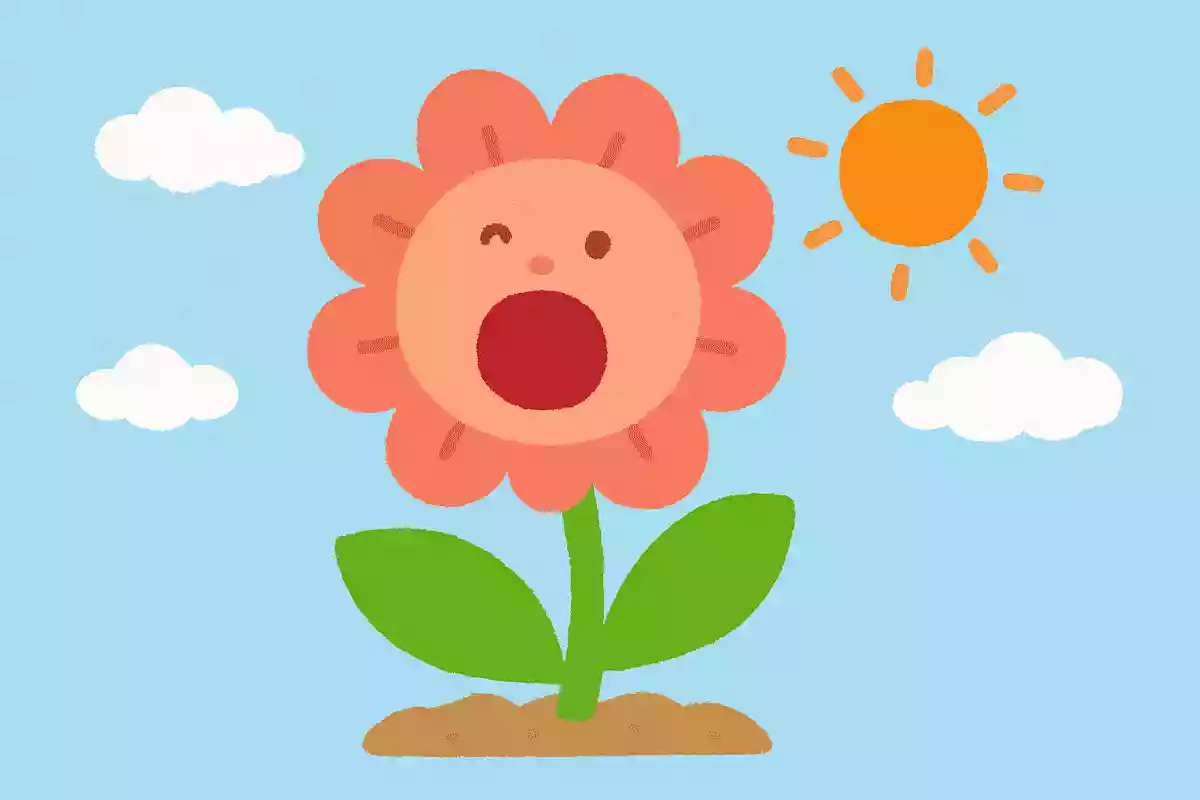
This is a riddle that asks for “a flower that roars in the morning.” The key to solving it is to first think of flowers that do something in the morning.
There’s a well-known flower that blooms in the morning, right? That’s right—the morning glory (asagao).
You might think, “Morning glories do act in the morning, but they don’t roar…” So why is the answer morning glory? Because it’s a pun on the sound of a roar—‘gaoo!’—which is contained in ‘asagao.’ Flowers usually bloom quietly and don’t roar, but if there really were a flower that roared, I’d love to see it at least once.
What kind of neck comes out of a mouth?
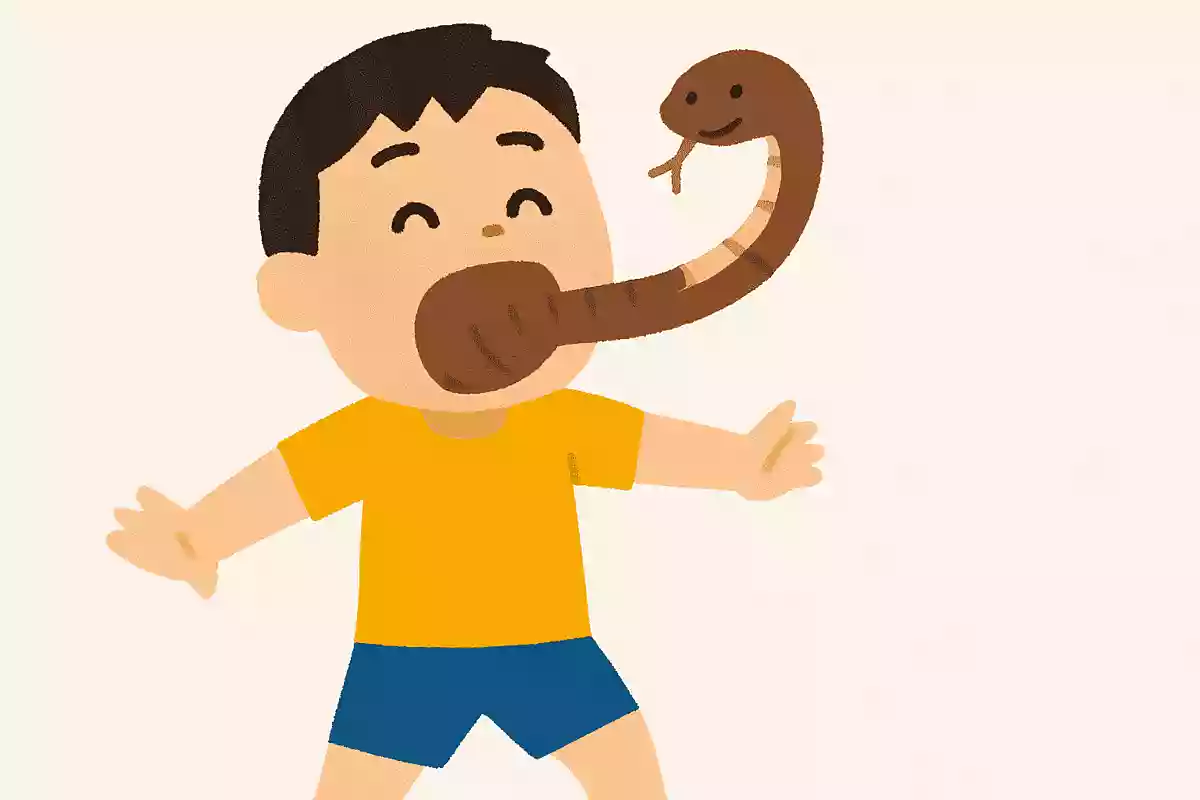
A neck coming out of your mouth…
It sounds a bit scary if you imagine it, but don’t worry—it’s just a riddle, not a scary story.
With that in mind, let’s solve it! The key to this puzzle is to convert the keyword “首” (kubi, neck) into hiragana and think of it that way.
Then, associate things that include “kubi” which come out of the mouth.
Everyone has put this out of their mouth at least once.
It’s an easy answer, so if you get the hint, you’ll solve it right away.
The answer is “akubi” (a yawn)!
What is a ball that’s square, even though it’s still a ball?
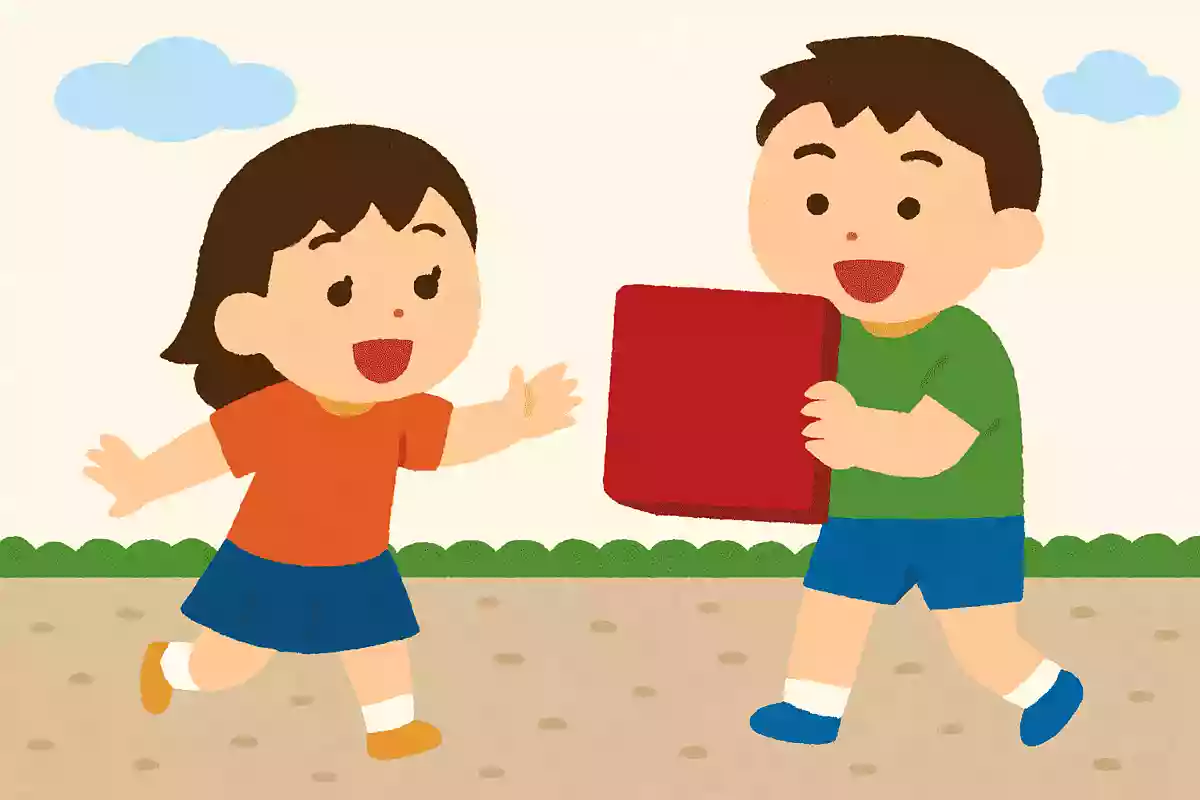
Speaking of balls, they’re one of the tools used in ball sports, right? When you picture a ball, most of you probably imagine a round sphere.
However, since the question in this quiz says “square,” we need to look for a square ball.
Let’s forget about balls used in sports for a moment and think of something square that includes the word “ball” (booru) in Japanese.
If you’re an elementary school student, you’ve probably seen it at home or used it for crafts.
The correct answer is “danbooru” (cardboard).
A turtle, a camel, and a rhinoceros are shopping. What will they buy?
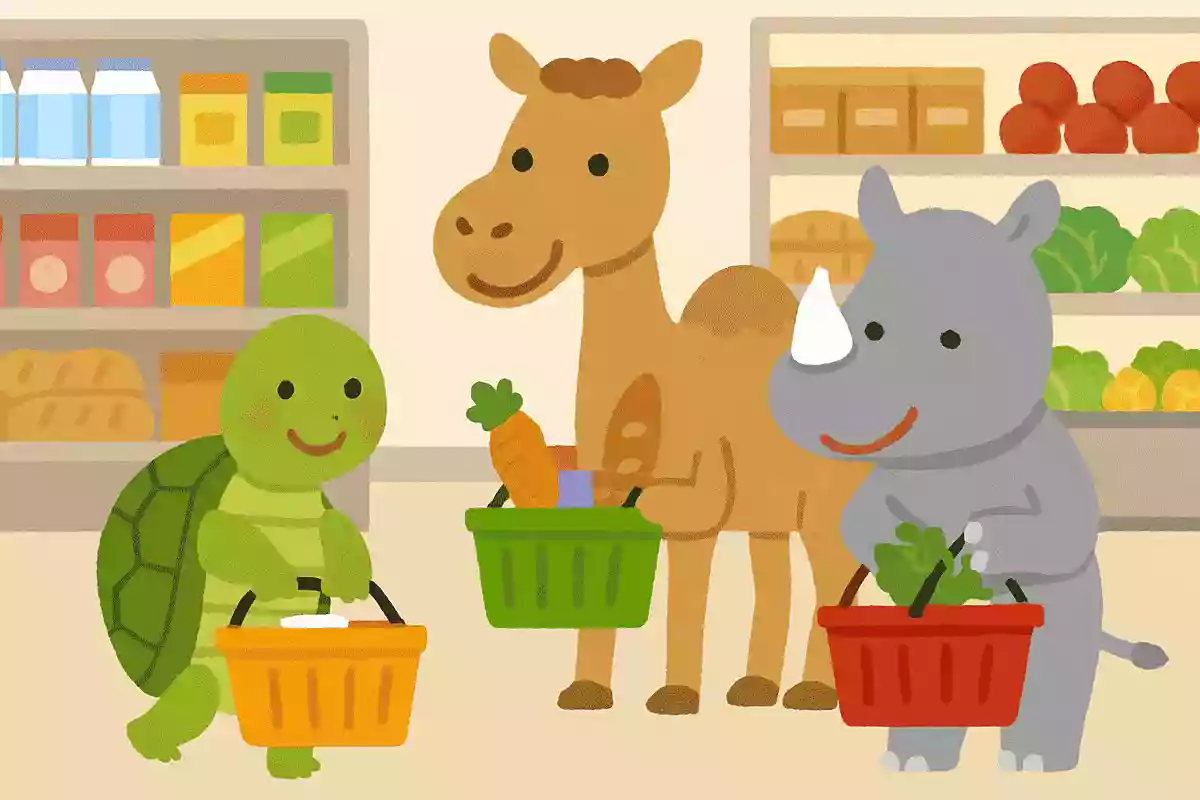
A turtle, a camel, and a rhino go shopping…
When you imagine it, you can’t help but wonder what on earth is going on—sounds like a riddle, right? But let’s set that aside for now! Since they’re shopping, they must each have something they want to buy.
Still, thinking about items related to each animal won’t solve this puzzle.
You need to approach it from a completely different angle.
The key is to read the question repeatedly.
If you connect ‘kame’ (turtle), ‘rakuda’ (camel), and ‘sai’ (rhino), you get ‘kamera kudasai’ (which means ‘a camera, please’ in Japanese).
So the answer is ‘camera’!
What bug is in the center of the world?
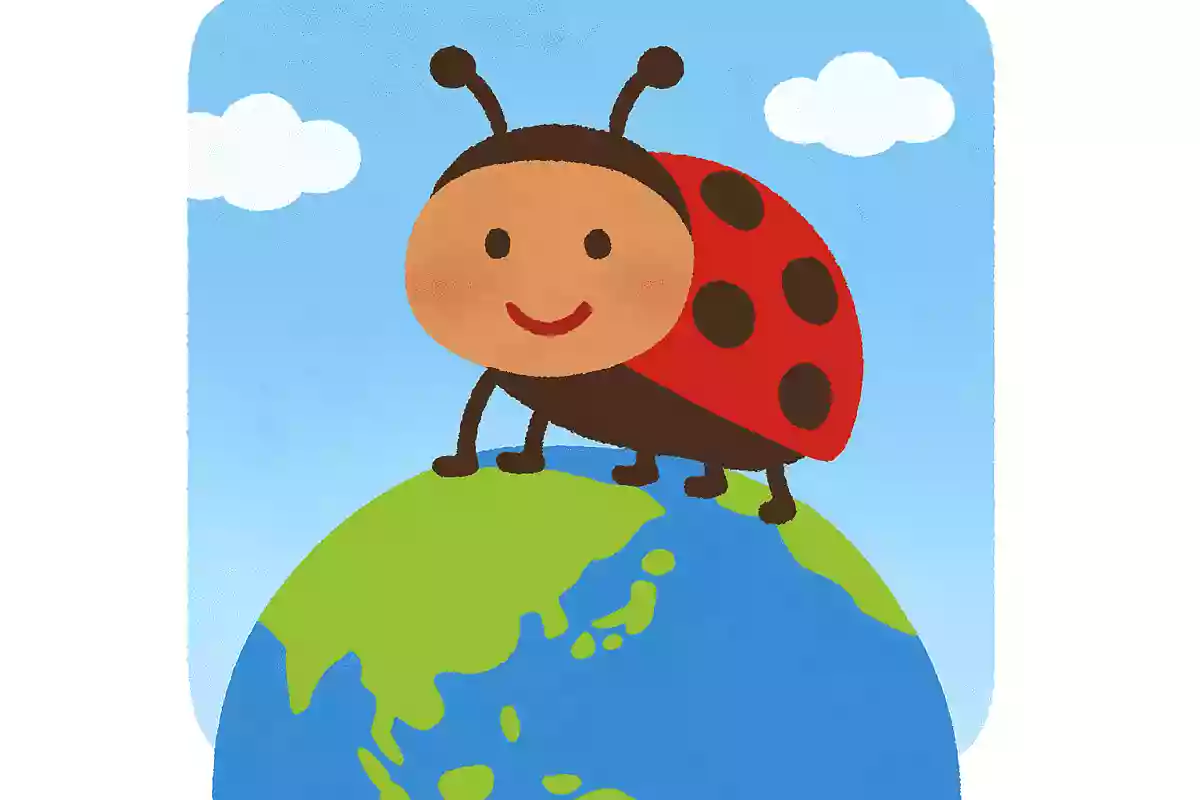
What insect is in the middle of the world? You might be tempted to wonder, “Where is the center of the world?” but this is a riddle you can solve with a flash of insight—no geography knowledge needed.
The key point is that “sekai” (world) is intentionally written in hiragana as せかい.
It could have been written in kanji, which makes this suspicious.
By the way, the correct answer is “a mosquito” (ka).
It’s that blood-sucking pest we all hate in summer.
Why? Because the middle letter of せかい (se-kai) is か (ka)!