

Fun trick riddles you can enjoy in elementary school!

Elementary school children are in a very curious stage.
As they move up through the grades, their ability to understand humor grows rapidly.
They value communication with friends and sometimes think from their own unique perspective.
Here, we introduce trick questions that make the most of those traits and can be enjoyed in elementary school! The questions are simple, but they can draw out surprising answers and original thinking.
There are plenty of quizzes that adults can enjoy too, so kids and adults alike can think together, laugh, and have a great time!
- Fun Quiz Collection Guaranteed to Stump and Delight Elementary School Kids
- Fun for adults too! Trick questions for elementary school kids
- For elementary school kids! Fun riddles recommended for lower grades
- For elementary school kids! Fun and amusing riddles everyone can enjoy together
- Riddles for Upper Elementary Kids: A Fun Collection That Adults Can Enjoy Too
- Recommended riddles for elementary school students. A collection of kid-friendly riddles.
- Fun quizzes for elementary school kids: a collection of questions everyone can enjoy together
- For elementary school kids! Fun riddles recommended for the middle grades
- Recommended for lower grades! A fun, educational quiz for elementary school students
- Quiz for elementary school students: Easy! Fun! Question collection
- Fun riddles that kids will love
- [Simple Riddles] A curated selection of fun questions that will excite everyone from kids to adults!
- [Trick Quiz] Quiz Questions That Excite Everyone from Kids to Adults
Fun Trick Riddles You Can Enjoy in Elementary School (1–10)
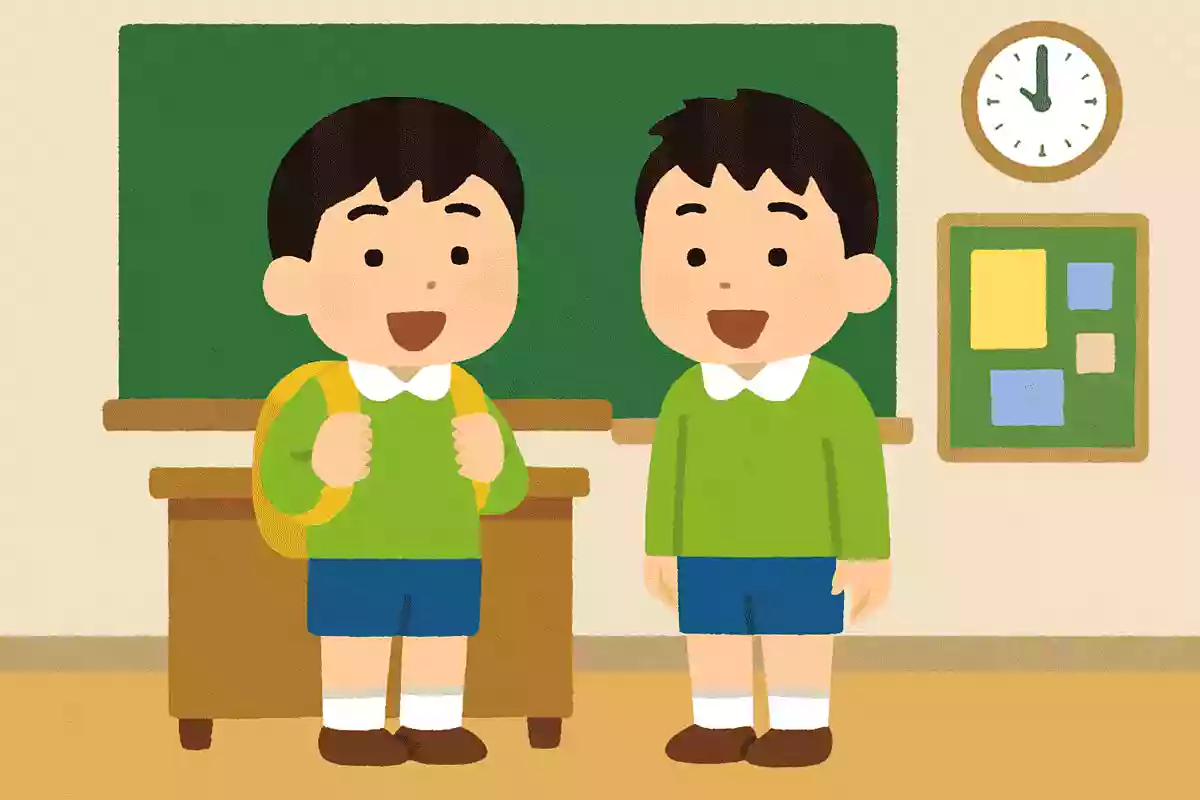
Taro and Jiro are brothers born on the same day in the same year, but they are not twins. Why is that?
See the answer
Actually, I'm a triplet.
Taro and Jiro were born on the same day in the same year and are siblings, but they are not twins. That’s because they are actually two of a set of triplets. In the case of triplets or larger sibling sets, two of them alone are not called “twins,” which leads to this answer.

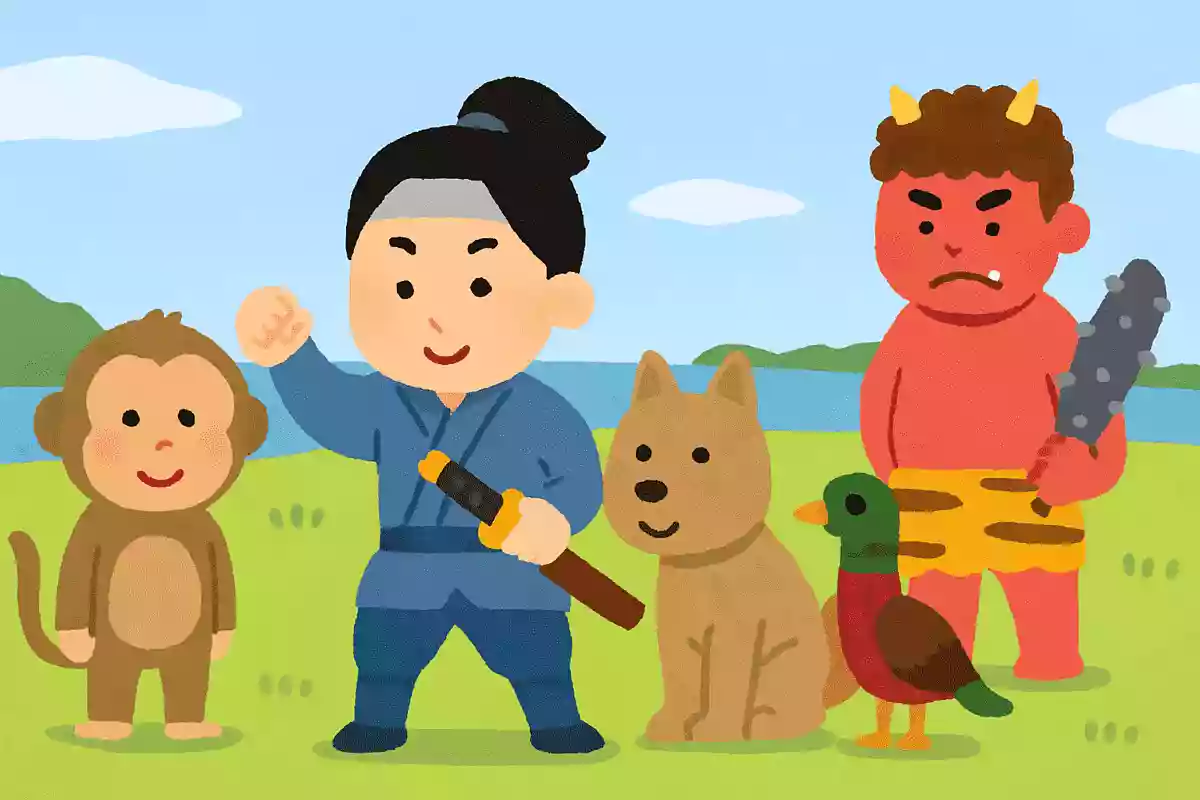
Momotaro, who defeated the ogres with three animals. Now, who was the first one Momotaro met?
See the answer
Grandfather and grandmother
The first people Momotaro met were the old man and the old woman. The old woman found a large peach floating down the river, took it home, and when they split the peach open, Momotaro came out from inside. In other words, he met the old man and the old woman before the animals who later traveled with him as his companions.
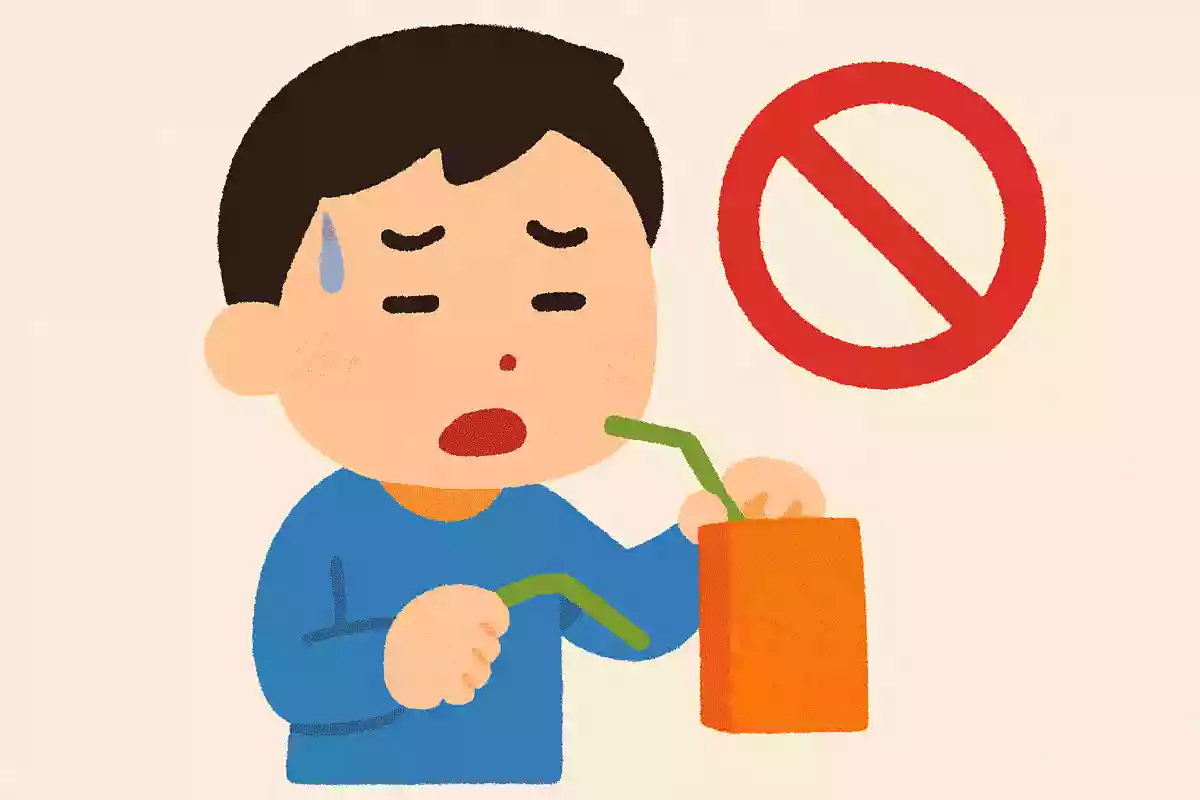
What kind of juice can you try to drink but can’t?
See the answer
The characters that read 'juice'
The word “juice” can be seen, but it can’t be drunk. The kind of juice you can’t drink no matter how hard you try isn’t an actual beverage, but the word “juice” itself. It’s a riddle that tests your ability to find the answer from the question text without being misled by appearances or the sound of the word.
Fun Trick Riddles You Can Enjoy in Elementary School (11–20)
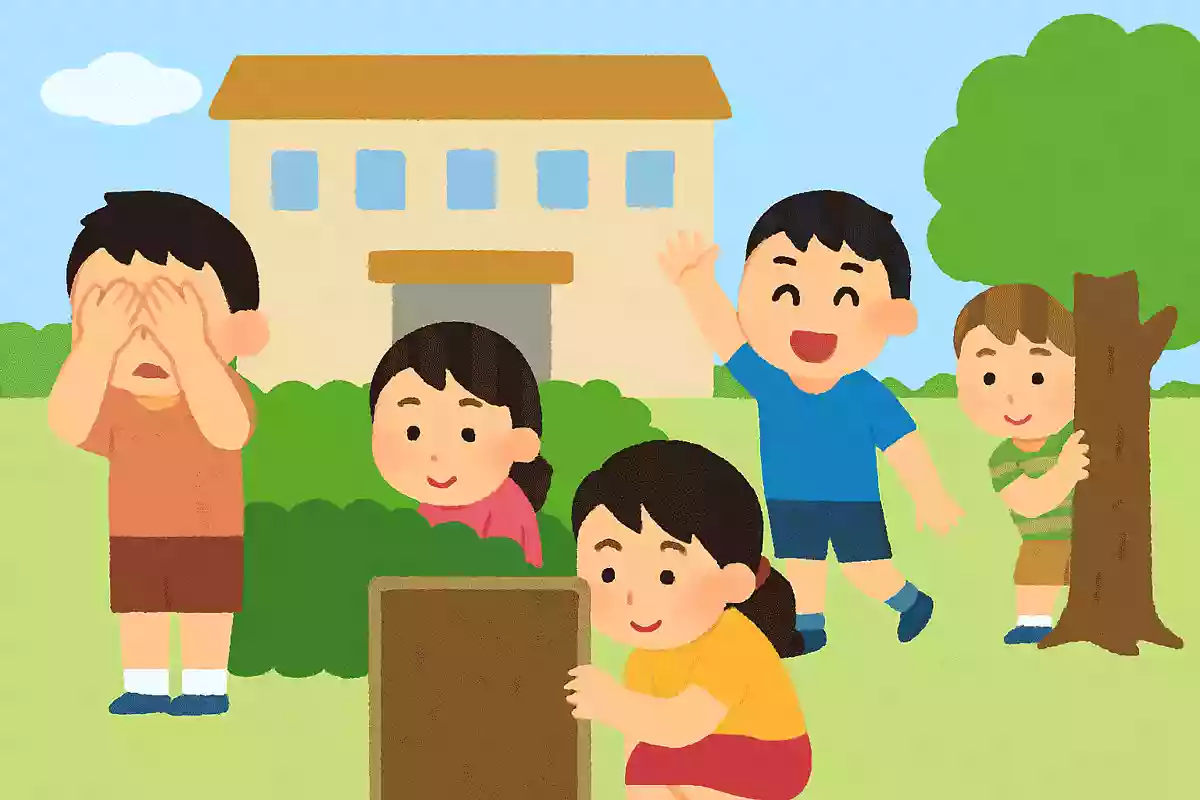
Five people are playing hide-and-seek. Two have been found. How many are left?
See the answer
2 people
When five people are playing hide-and-seek and two are found, that means three still haven’t been found. But one of those three is the seeker, so only two are actually hiding. The seeker is the one who looks for others, not the one who gets found, so they’re not counted.
What animal is bigger than a whale but smaller than a killifish?
See the answer
dolphin
To say that there’s no animal bigger than a whale and smaller than a killifish, we use a pun: we say “iruka” (which means dolphin) as a play on words with “inai” (there isn’t). The trick is to change the intonation when you say the comeback line, like “Sonna no iruka!” (which can sound like “Is that a dolphin?” or “Who would buy that?” depending on intonation). The correct answer is “iruka” (dolphin).

When is honey sweet?
@igosso.youtube♪ Original Song – Igossou [YouTube] – Igossou [YouTube]
Honey is sweet and delicious, isn’t it? You can pour it on pancakes, add it to tea instead of sugar—there are countless dishes and products that use honey.
So let’s try a honey-themed trick quiz! When is honey sweet? “In the season when bees fly a lot?” “Does it have something to do with the number eight?” Many people might think that, but the answer is actually very simple! Just think: when do you feel it’s “sweet”? If you approach it that way, the correct answer should come to you easily!

What are the two things a younger brother has but a younger sister has only one of?
See the answer
The hiragana “to”
The word otōto (younger brother) contains two instances of the syllable “to,” while imōto (younger sister) contains only one. Both are family terms, but in this riddle the key is not their meanings—it’s the letters within the words. If you look closely at the words and consider which characters appear and how many times, you’ll arrive at the answer.