

Where Do You Split It? A Word-Splitting Quiz That Even Elementary Schoolers Love

“Les Misérables,” “tiramisu,” “Triceratops”… Doesn’t a familiar word suddenly start to look strange when you change where you split it? This quiz, hugely popular even with elementary schoolers, has a simple rule—guess where to break a katakana word—but it’s packed with the fun of learning about origins and meanings, too.
Here, we showcase plenty of wordplay that will make you blurt out, “So that’s what it was!” Everyone, come enjoy exploring the depth of language together.
- Where do you split it? Learn general language knowledge through a quiz.
- Fun quizzes for elementary school kids: a collection of questions everyone can enjoy together
- Fun for adults too! Trick questions for elementary school kids
- Recommended for lower grades! A fun, educational quiz for elementary school students
- A four-character idiom quiz that elementary schoolers will love! Questions become fun once you understand the meanings
- Challenge together! A roundup of word games for adults
- Fun Quiz Collection Guaranteed to Stump and Delight Elementary School Kids
- [Playable from lower grades] Japanese language games and activities
- [For Elementary School Students] Brain Training with Kanji Decomposition Quiz! Guess the Complete Kanji from Its Parts
- [For Lower Elementary Students] Play Right Away! Learn with Fun True-or-False Quizzes
- Recommended for elementary school students! Trivia quiz you'll want to share once you know it
- For upper elementary school students! A lively and educational true-or-false quiz
- Recommended for upper grades! A fun, educational quiz for elementary school students
Where do you split it? Word-segmentation quiz that even elementary school students get excited about (1–10)
Kamehameha
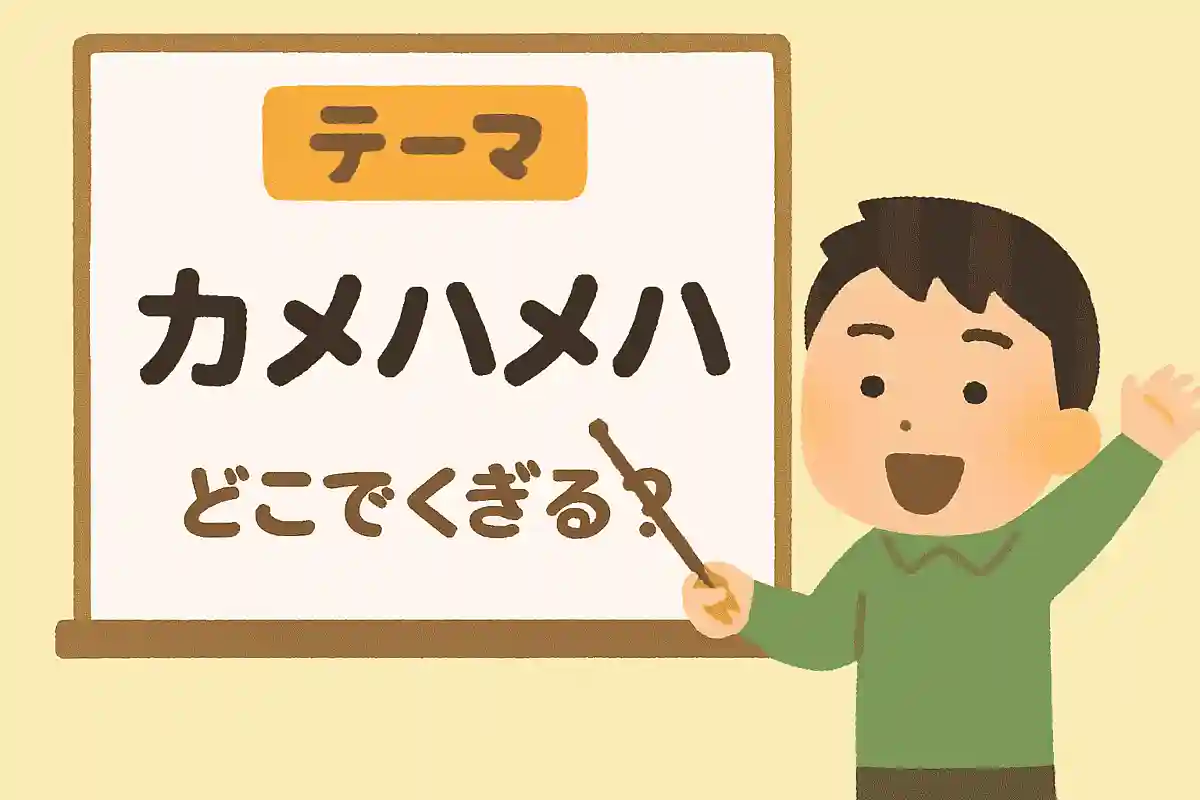
- Kamehameha
- Ka-mehameha
- Kamehameha
See the answer
Ka-mehameha
"Kamehameha" can be split into "Ka = The" and "Mehameha = quiet person." The famous move "Kamehameha" from the anime Dragon Ball is said to be derived from the name of the first king of the Hawaiian Kingdom, Kamehameha.

Les Misérables

- Les Misérables
- Remi Zerable
- Les Misérables
See the answer
Les Misérables
Les Misérables is the story of a man named Jean Valjean who lived in France long ago. It portrays how he helps people in need and turns his life around, showing the importance of compassion. This classic teaches the value of courage and kindness. It’s a work that depicts people joining forces and living together.
Sei Shōnagon

- Sei Shōnagon
- Sei Shōnagon
- Sei Shōnagon
See the answer
Sei Shōnagon
“Sei Shōnagon” is a person’s name, and it can be divided into “Sei” and “Shōnagon.” “Sei” indicates her family or clan name, while “Shōnagon” is an official court title. She wrote a book called The Pillow Book during the Heian period. In it, she described the beautiful scenes and delightful events she witnessed at court with candid feeling, and it is still cherished by readers today.
Where Do You Split It? Word Segmentation Quiz That Even Elementary Schoolers Love (11–20)
Mesopotamia
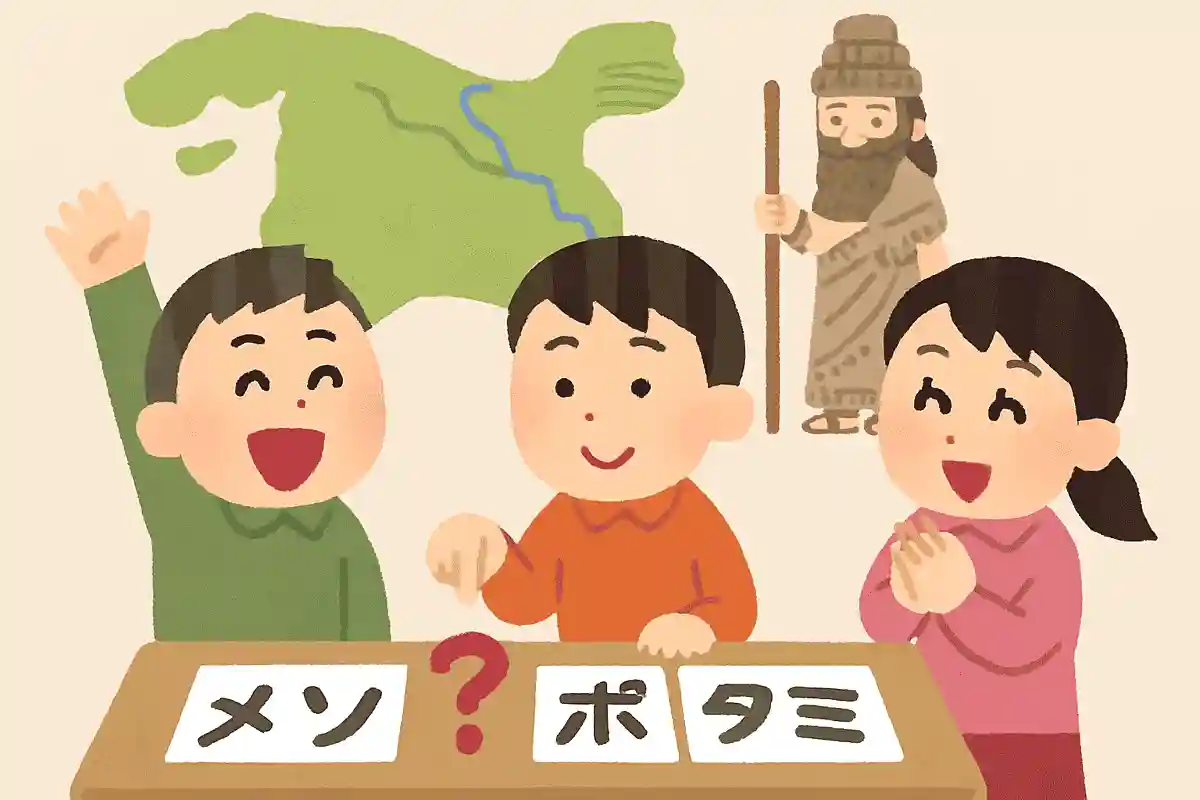
- Mesopotamia
- Mesopotamia
- Mesopo・Tamia
See the answer
Mesopotamia
We can split “Mesopotamia” into two parts: “meso” and “potamia.” In fact, “meso” means “between,” and “potamia” means “rivers,” so it means “the land between rivers.” It was one of the world’s first great civilizations, located around what is now Iraq, and it’s a place where we can see the beginnings of people’s daily lives and culture.
Zatoichi
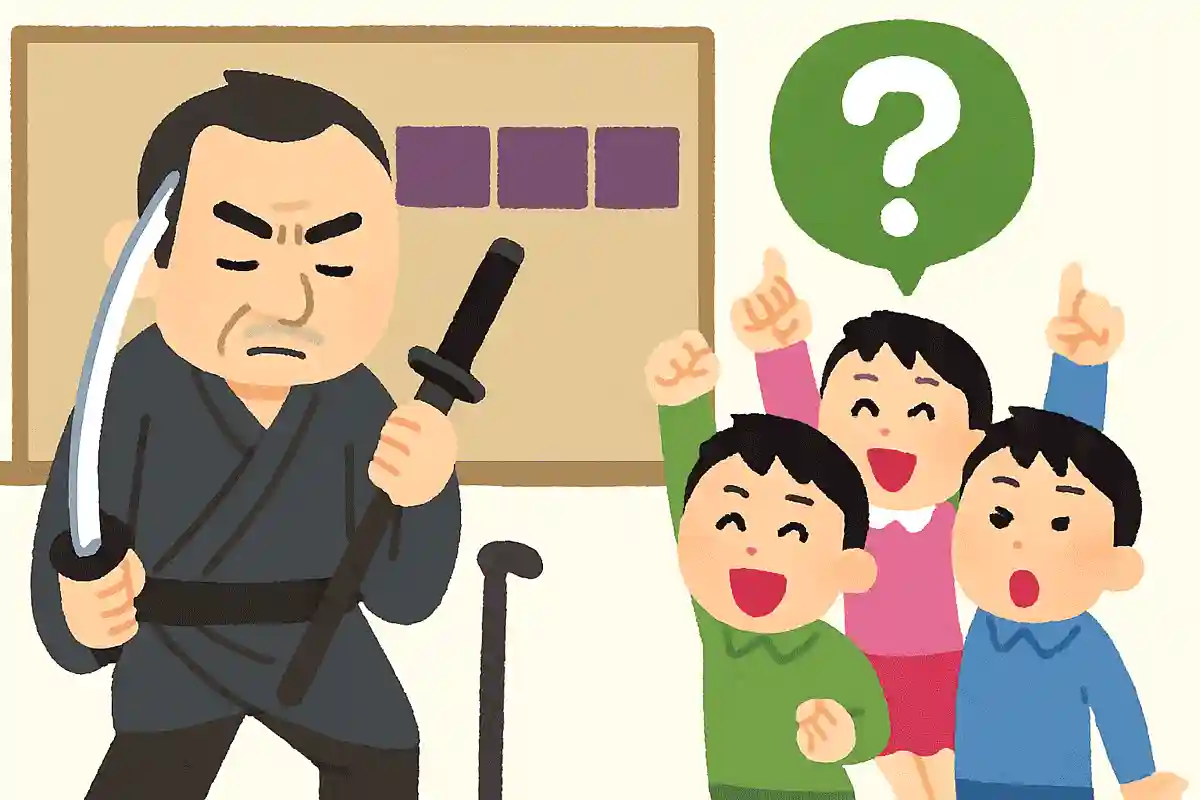
- The Touichi
- Zatō Ichi
- Za Tōichi
See the answer
Zatō Ichi
The correct division is “Zatō Ichi.” “Zatō” is a job title or rank, and “Ichi” is the given name. Zatoichi is a blind but very strong swordsman protagonist. He helps the weak and punishes wrongdoers, acting as a champion of justice. As he travels, he fights for the people, making him a popular character in period dramas.
a cappella
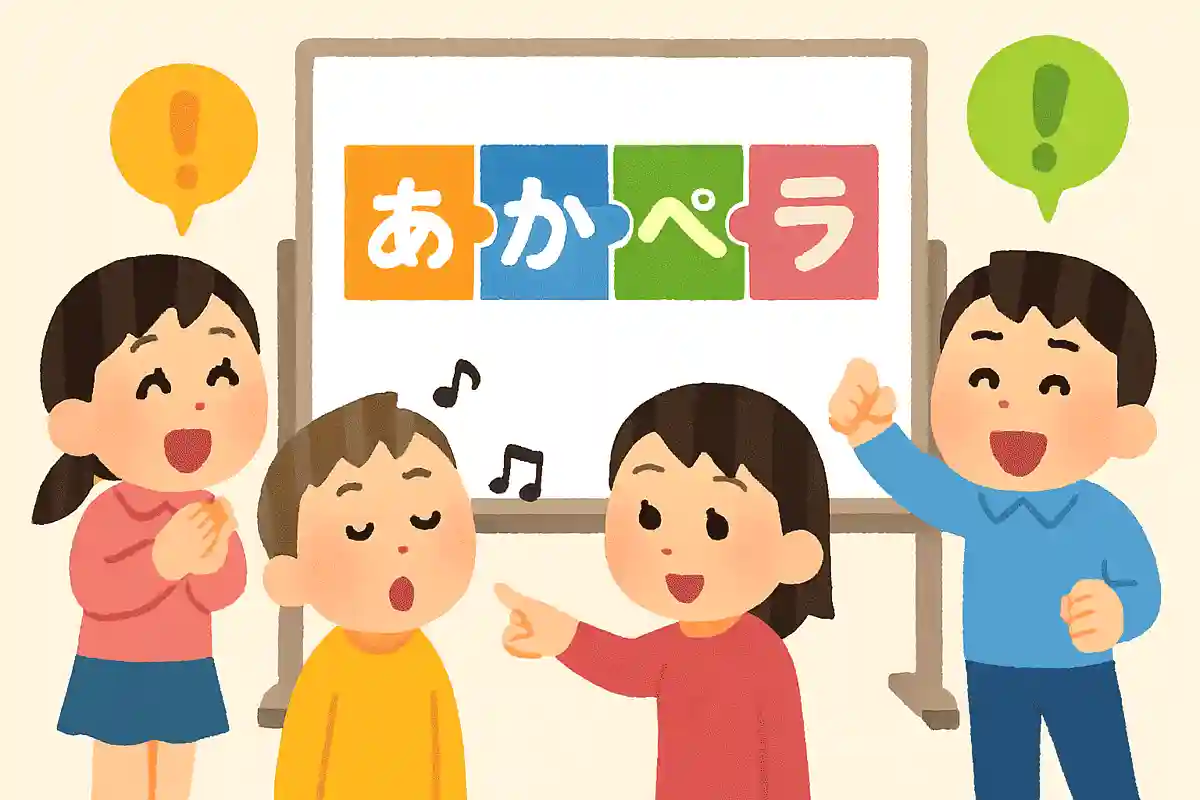
- a cappella
- a cappella
- A cappella
See the answer
a cappella
“A cappella” comes from the Italian term “a cappella,” and the correct way to split it is into “a” and “cappella.” It’s a style of singing in which you enjoy music using only the voice, without instruments.
Cholesterol
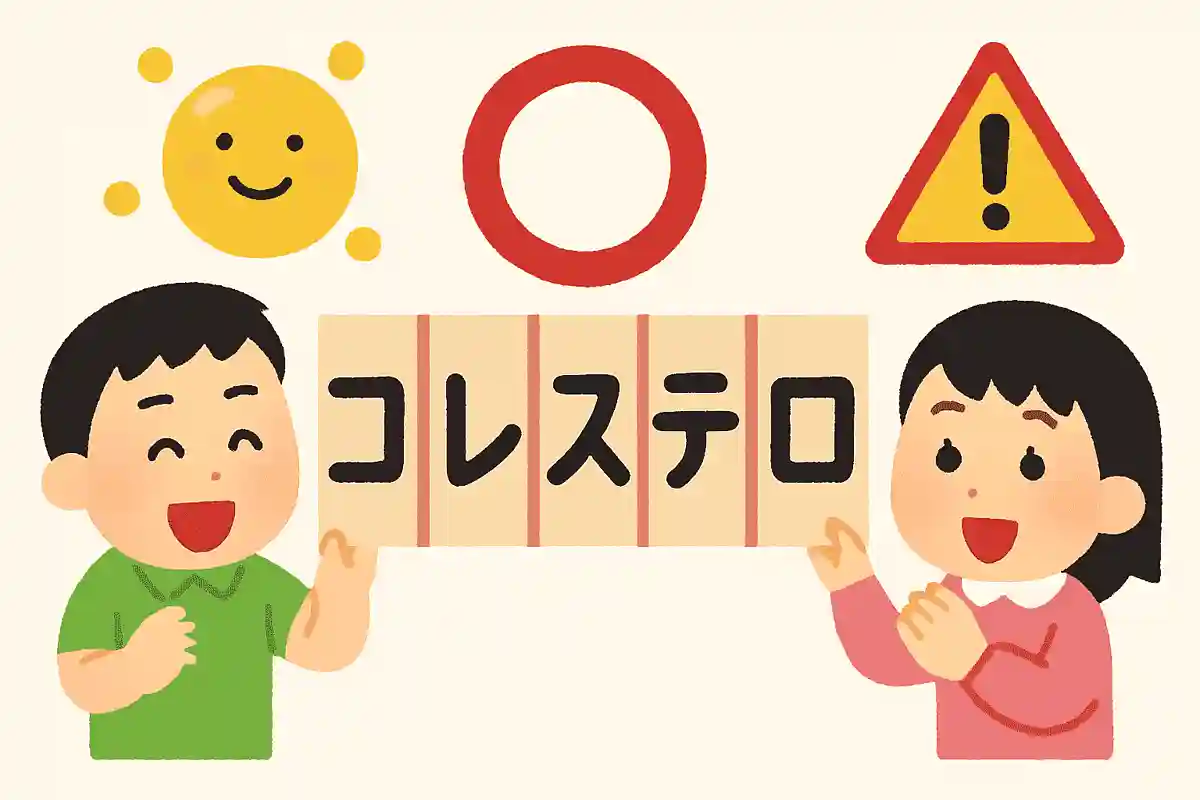
- cholesterol
- cholesterol
- cholesterol
See the answer
cholesterol
The word “cholesterol” has its roots in Greek. Chole means bile, and sterol refers to a solid, so it was named to mean “a solid alcohol found in bile.” This comes from the fact that cholesterol was first discovered in bile. Although it often has a negative image, it is also an essential nutrient for life. Please be cautious about LDL (bad) cholesterol.