

Masterpieces and history of folklore: An introduction to traditional music of the South American Andes

Traditional music of the South American Andes, known as “folklore.” The delicate tones of the quena and charango—woven by virtuosos such as Argentina’s Ariel Ramírez and Bolivia’s Ernesto Cavour—carry the region’s timeless history and rich culture into the present.
From the wistful “El Cóndor Pasa” to the passionate “Sin Ti,” masterpieces born of the Andean land continue to move hearts around the world.
We present these gems of music, alive with the heart and soul of South America.
- Masterpieces and history of folklore: An introduction to traditional music of the South American Andes
- Recommended Latin Music | Introducing Stylish Masterpieces
- [Tango] Famous Tango Songs: Recommended Popular Tracks
- Polka masterpieces. Recommended popular songs.
- Masterpieces of Celtic music. Recommended Irish music.
- Carefully selected Japanese songs with a Latin flavor! Recommended J-POP brimming with exotic vibes
- Fado masterpieces. Recommended popular songs.
- [World Music] A Guide to Folk Music: A Collection of Traditional Songs from Around the Globe
- Mexican Music | Energetic Latin Tunes Make an Appearance!
- Classic salsa songs. Recommended popular tracks.
- Flamenco masterpieces. Recommended popular songs.
- 【2026】The State of World Music Now: Introducing Masterpieces to Enjoy Diverse Musical Cultures
- Music of Passion: A Roundup of Artists Representing Latin Music
Masterpieces and history of Folklore: Explaining traditional music of the South American Andes (41–50)
Viva TrinidadSabia Andīna

This is a heartwarming piece by Sabia Andina, a folkloric group that Bolivia proudly claims as its own.
Since their formation in 1975, they have faithfully preserved the traditional music of the Andes, and here they elegantly portray the charm of the Beni region.
Grounded in traditional rhythms such as Toba and Takipayanak, the melodies woven by the delicate tones of the quena and charango vividly reflect the richness of nature and the lives of its people.
Featured on the album “Viva Bolivia,” this work is highly regarded as one of the group’s signature pieces.
Eddy Navia’s masterful charango performance and Heraldo Arias’s clear, transparent vocals make this a gem that beautifully expresses the heart and soul of South America.
It’s a highly recommended track for anyone interested in Andean traditional music or in exploring other cultures.
IllimaniWARA

It’s “Illimani,” composed by Néstor Portocarrero.
The style is a beautiful La Paz–influenced tango known as tango paceña.
The song is about Mount Illimani, the sacred peak that symbolizes La Paz, Bolivia, and it is said to be the city’s second anthem.
Shin Tiayopayaman ta
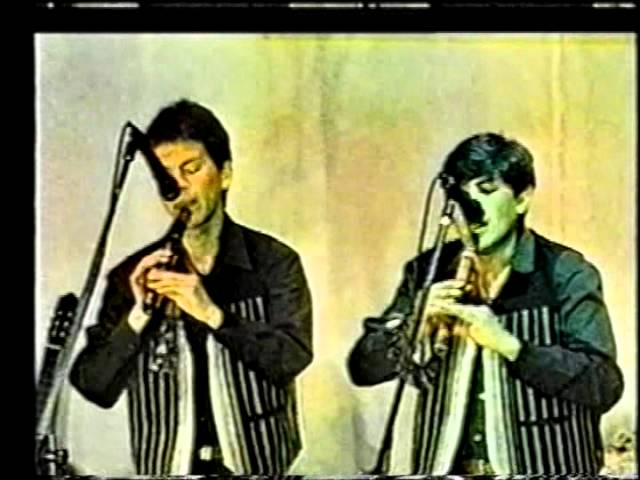
“Sin Ti” is a Uruguayan-style folklore piece that uses the rhythm of candombe, an Afro-Uruguayan dance.
Its composer is unknown, and the lyrics vary by performing group, but it’s a passionate love song that declares, “I can’t live without you anymore.”
Offering to GodErunesuto Kabūru

This is a gem of a piece imbued with the spirit of Bolivian musician Ernesto Cavour, who brought a fresh breeze to traditional Andean music.
The charango’s delicate tones weave a mysterious melody that beautifully conveys the grandeur of the Andes and the prayerful heart of its Indigenous peoples.
Featured on the album “The Great Green Tree,” released in June 1992, the track is highly acclaimed as a masterpiece that adds an innovative approach to traditional folklore music.
It’s a meditative piece best enjoyed alone on a quiet night, recommended for those seeking solace away from the bustle of everyday life.
Renowned as a charango virtuoso, his exceptional technique and expressive power resonate with the profound emotion rising from the Andean land.
Reino VerdeErunesuto Kabūru

This is “Leño Verde,” a representative work by charango player Ernesto Cavour from La Paz, Bolivia.
The Japanese title means “Green Great Tree,” and the style is carnaval—that is, the dance style of the carnival from the Santa Cruz region in eastern Bolivia.
In conclusion
Folklore, born from the Andes mountains, is a traditional South American music with a charm distinct from samba and tango.
The delicate tones of the charango and quena weave beautiful melodies, like the pure breeze of the highlands.
Ranging from sorrowful to powerful, these songs continue to move the hearts of many.
I hope this article allows you to experience the deep emotion and rich musicality that folklore embodies.