

![[2026] The Heart of Our Hometowns Carried Through Song: A Roundup of Japanese Folk Singers, Including Young Talents!](https://i.ytimg.com/vi_webp/0UFmknqdXhs/maxresdefault.webp)

Powerful voices ringing out on festival nights; work songs passed down during rice-planting season… Folk songs that live on across Japan are a musical culture woven together with each region’s daily life and scenery.Many people may associate folk singers with something nostalgic and old-fashioned.But in fact, more and more female folk singers are taking on new forms of expression while faithfully carrying on tradition, and young artists are sharing the appeal of folk music with a fresh sensibility unique to their generation.In this article, we’ll introduce a wide range of singers—from legendary figures who represent folk music to up-and-coming talents.You just might discover a voice from home that resonates in your heart!
- Folk songs you’ll want to sing at karaoke: classic and popular tunes everyone can enjoy
- A classic song celebrating Oita. The enduring spirit of our hometown [2026]
- Nostalgic Children’s Songs, Folk Songs, and Nursery Rhymes: The Heart of Japan Passed Down Through Song
- Ranking of Popular Folk Songs
- A classic song about Miyazaki. A song filled with feelings for one’s hometown [2026]
- Nambu Tawarazumi-uta: A folk song rooted in Tohoku. Carefully selected videos by renowned singers and musicians!
- Beautiful Folk Songs Passed Down in Miyagi Prefecture: A Collection of Masterpieces that Play the Heart of the Hometown
- [Japanese Children's Songs] Carefully selected timeless masterpieces loved across generations!
- Folk songs, children's songs, and nursery rhymes of Toyama: the enduring heart of our hometown passed down through song
- [Folk Songs and Children's Songs of Akita] A curated selection of local masterpieces that evoke love for one’s hometown
- [Japanese Folk and Regional Songs] A Collection of Beloved Masterpieces from Across Japan, Brimming with Local Pride
- [For Beginners] Recommended Enka Classics for Karaoke — Women Singers Edition
- Songs by Yoshimi Tendo, the songstress born in Osaka, that are easy to sing
[2026] The Heart of Our Hometown Passed Down in Song: A Collection of Japanese Folk Singers, Including Young Artists! (1–10)
Mogami River Boat SongOtsuka Fumio

Fumio Otsuka, who grew up in Yamagata Prefecture immersed in folk songs as a “minyo boy,” studied under a local master from his junior high school years before moving to Tokyo to apprentice with Masao Suzuki I.
He debuted in 1966 as an exclusive artist with King Records, honing his craft while recording folk songs from Yamanashi and elsewhere.
In 1977, his dance-kayō piece “Shukuga no Mai” became a million-seller, a quintessential example of a popular hit in the folk music world.
In 2009, he received the title of Minyo Meijin (Master of Folk Song), and the following year he was named an honorary citizen of his hometown.
His singing—distinguished by a clear, pure upper register, articulate delivery, and skillful transitions between chest voice and falsetto—features breath control that never disrupts dance movements.
He’s a recommended artist for anyone who wants to savor the appeal of traditional Japanese folk music.
Hanagasa DanceShodai Suzuki Masao

Masao Suzuki was the legendary singer who made folk songs resonate across Japan in the Showa era.
Born in Marumori, Miyagi Prefecture, he made his record debut in 1931 and went on to record folk songs from all over the country, beginning with the ancient songs of the Soma region—amounting to as many as two thousand tracks.
From 1951 to 1956, he appeared a total of five times on NHK’s Red and White Song Contest, bringing the allure of folk music into living rooms with his resonant natural voice and crisp, articulate phrasing.
His performances were marked by meticulously crafted ensembles with shakuhachi, shamisen, and drums, and his contribution to establishing folk music as popular entertainment is immeasurable.
Cherishing regional songs and devoted to nurturing the next generation, Suzuki’s voice still conveys the warmth of home to many through reissue recordings.
For anyone who wishes to experience the roots of folk music, his work is a national treasure not to be missed.
Hanagasa OndoSaisei

Born in Hokkaido, Ayasei began studying folk songs at age 5, took up the Tsugaru shamisen at 7, and added the shakuhachi at 11, making him a “triple-threat” singer of song, Tsugaru shamisen, and shakuhachi.
He has won multiple national folk music competitions, claiming the 33rd Meijin title by winning the general division of the Dosanko Jinku National Competition, and was crowned Japan’s top elementary school performer at the Youth Competition of the Japan Folk Song and Dance Association.
He debuted in June 2019 at age 16 and received the Newcomer Award at the 61st Japan Record Awards at the end of the year.
His discography is notable for enka pieces that draw on folk material, as well as pure folk songs like “Tokachi Uma-uta” and “Tsugaru Jongara-bushi.” His standing performances—singing while playing shamisen or shakuhachi—are stunning.
Firmly grounded in tradition while embracing contemporary expression, Ayasei is highly recommended for anyone who wants to experience both the power of folk music and a fresh, youthful sensibility.
Tsugaru Aiya-bushiRuri Takeno

Ruri Takeno, a native of Muroran, Hokkaido, began studying minyo (Japanese folk singing) at the age of four and has proven her talent by winning national competitions one after another since childhood.
In 2019, she won the youth division at the National Minyo and Folk Dance Championship, receiving both the Minister of Health, Labour and Welfare Award and the Governor of Tokyo Award—an achievement that significantly opened doors in her career.
She also holds a qualification as an occupational therapist while pursuing her performing arts career, an intriguing and unconventional background.
Building on the solid vocal technique honed through minyo, she has ventured into enka and pop music as well, achieving brilliant results such as earning a perfect score twice on TV Tokyo’s “The Karaoke Battle.” In her original work “Shikikachou / Hana Tsuzuri,” she also wrote the lyrics, infusing the songs with her love for her hometown.
While cherishing the allure of traditional minyo, she boldly explores new forms of expression; her singing is highly recommended even for those who have never experienced minyo before!
Chakkiri-bushiichimaru

Ichimaru, a geisha singer who bridged classical Japanese music and popular music from the dawn of the Showa-era record industry through the postwar period.
She began her artistic path as a hangyoku (apprentice geisha) in Asama Onsen, Matsumoto City, Nagano Prefecture, and after moving to Tokyo, trained rigorously until she earned the professional title (natori) in Kiyomoto, Nagauta, and kouta.
Debuting in 1931 as an exclusive singer for Victor Records, she gained popularity with songs such as “Kirigirisu” and “Hamamachi Kashi,” which embodied the aesthetics of hauta and kouta.
After the war, “Shamisen Boogie” became a major hit, drawing attention for its fusion of tradition and modernity.
Her achievements were highly acclaimed: she received the Medal with Purple Ribbon in 1972 and a Special Award at the Japan Record Awards in 1980.
As the head (iemoto) of the Edo Kouta Nakamura school, she also dedicated herself to preserving the classical tradition.
Ichimaru’s voice—uniquely harmonizing the projected tone of tatami-room performance with the characteristics of the recording microphone—is one of a kind.
She is highly recommended for anyone wishing to experience the refined beauty of traditional Japanese music.
Jōban Coal Mine SongMitsubishi Michiya

Michiya Mihashi, born in Kamiiso, Hokkaido, showed his talent for folk music from an early age, winning a national competition at the age of nine.
After signing an exclusive contract with King Records in 1954, his 1955 release Onna Sendō Uta became a major hit.
He went on to cover a wide range—from folk songs such as Hokkai Bon Uta, Hanagasa Ondo, and Sōran Bushi to popular songs including Aishū Ressha, Yūyake Tonbi, and Kojō—amassing a total of over 100 million records pressed over his lifetime.
In 1962, he received the Japan Record Award for Best Vocal Performance and appeared on Kōhaku Uta Gassen a total of 14 times.
His achievements in blending folk vocal stylings—marked by his resonant high notes and distinctive kobushi ornamentation—into popular music are immeasurable.
With a powerful voice grounded in Tsugaru shamisen technique, he helped elevate regional folk songs to national prominence, making him a singer especially recommended for those who wish to cherish the spirit of their hometown.
Ho-hai FestivalNakamura Hiroki Kazu
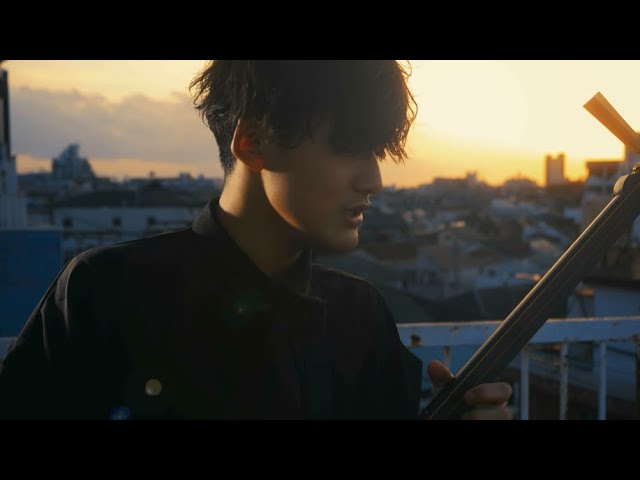
Tsugaru shamisen player Koki Nakamura took the stage for the first time at the age of one, inheriting the traditions of a family of folk singers.
At 14, he became the youngest winner of the All-Japan Tsugaru Shamisen Championship, and in 2022 he won the Individual Class A at the Tsugaru Shamisen World Tournament, earning the title of world champion.
He made his major streaming debut in April 2023 with the EP “AYUMI,” and released his first full album “TamiUta” in May 2024.
In 2025, he received the New Artist Award in the Popular Music category at the Music Pen Club Music Awards, the first ever in the field of traditional Japanese music and instruments.
His boundary-crossing activities—such as appearing in Yuzuru Hanyu’s ice show and performing with the Tokyo Philharmonic Orchestra—powerfully showcase new charms of min’yō folk music.
He’s highly recommended for those who want to hear vocals that honor tradition while boldly exploring contemporary expression.