

![[Japanese Folk and Regional Songs] A Collection of Beloved Masterpieces from Across Japan, Brimming with Local Pride](https://i.ytimg.com/vi/5qIQ1UrO0cU/hqdefault.jpg)
[Japanese Folk and Regional Songs] A Collection of Beloved Masterpieces from Across Japan, Brimming with Local Pride

From north to south, the traditional singing voices passed down across Japan are treasures of each region.
Perhaps you, too, have a memorable song that your grandparents or parents sang to you when you were a child—or one you sang together.
Folk songs, woven with the lives, cultures, and sentiments of their native places, have been sung across generations.
In this article, we introduce a selection of Japanese folk songs that resonate with the heart.
As you listen to the nostalgic melodies of hometowns, let us touch the spirit and landscape of Japan.
[Japanese Folk and Regional Songs] A Collection of Beloved Local Masterpieces from Across Japan (1–10)
Soran Bushi
Soran-bushi is arguably the most famous folk song in Japan.
Originally known as a folk song from the Sea of Japan coast in Hokkaido, performances using this piece are now showcased nationwide.
Thanks to factors such as its being easier to dance to than other folk songs, its fast tempo, the ease of calling out chants, and its feature on the TV drama “Mr.
Kinpachi in Class 3B,” it has become widely recognized—a masterpiece Japan is proud of.
Nambu Tawatsumi Uta

Nambu Tawara-zumi Uta is a folk song and travelling performer’s song handed down in Sannohe District, Aomori Prefecture, which belonged to the former Nambu domain.
In the past, itinerant performers in Sannohe District would visit households at seasonal milestones such as New Year’s and Setsubun, using small props like rice-straw bales to perform pieces including Nambu Tawara-zumi Uta.
They would present celebratory acts lavishly praising the master and mistress of the house, as well as the storehouse and residence, and in return received rice or money.
Yasugi-bushi
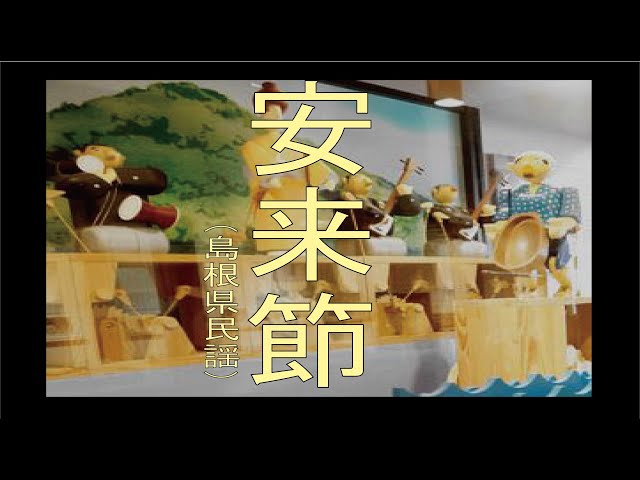
A signature folk performance from Shimane Prefecture, this piece beautifully blends the bustle of a port town with the bittersweet lives of its people.
Its lively 7-7-7-5 rhythm interweaves with shamisen and festival accompaniment, setting listeners’ hearts dancing.
The free-flowing melodic turns—sometimes described as almost jazz-like—carry a certain wistfulness as well, a depth that many may find deeply compelling.
Its origins trace back to the Genroku era of the Edo period, thought to have evolved through the fusion of diverse cultures carried by the Kitamaebune trading ships.
United with a humorous dance, this work invites you to listen when you wish to touch the primal landscape of the Japanese spirit—let its nostalgic strains wash over you.
Tsugaru Aiya-bushi
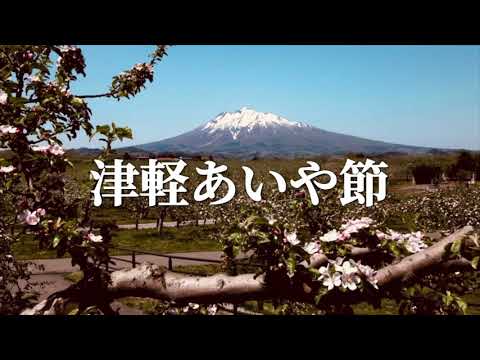
Born as a boatman’s song in a port town of Kyushu, this piece traveled north along the Sea of Japan and blossomed powerfully in the snowy land of Tsugaru.
The cheerful tones of its southern origins merged with the spirit of people facing harsh nature, evolving into a distinctive timbre.
The repeated calls and responses may not recount a specific story, but rather embody the collective prayer of a community that endured years of poor harvests and wished for a brighter future.
Passed down as one of the Five Great Folk Songs of Tsugaru, its spirit is carried on today by artists like Hiromitsu Agatsuma.
Heard in lively gatherings with friends, it creates a sense of unity; listened to alone, it conjures images of home and the warmth of its people.
It is a melody that conveys a robust hope, like waiting for spring beyond a severe winter.
Tinsagu Flowers

This is a song full of warm teachings that has long been passed down from parents to children in Okinawa.
Like dyeing your nails with the blossoms of the balsam flower, it gently teaches you to let your parents’ lessons soak into your heart.
Some may relate to the idea that a parent’s words are like countless stars and like the North Star that lights the course of one’s life.
The song became widely loved after it was broadcast on NHK’s “Minna no Uta” in 1966, and in recent years it was also featured in the drama “Chimudondon.” In March 2012, it was chosen by a prefectural referendum as the musical symbol of the prefecture.
Takeda Lullaby
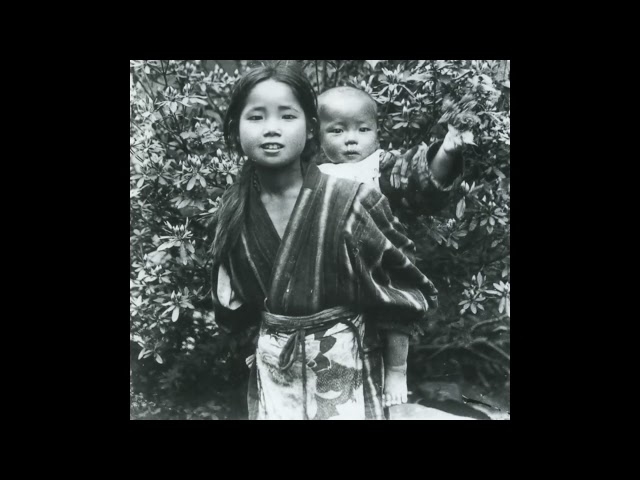
This is a melancholy lullaby that has been passed down in the Takeda area of Fushimi, Kyoto.
In reality, however, it tells of the harsh daily lives and sorrows of young girls sent out as nursemaids because of poverty.
The hardship of working without rest, with no Bon festival or New Year’s holiday, comes through with a gripping poignancy.
The song from this region became widely known through research for the stage play “The River with No Bridge,” based on Sue Sumii’s original work.
It was featured by the folk group Akai Tori in 1971, and Kaori Kawamura’s 1991 cover sold about 280,000 copies, carrying the song across generations.
If you listen closely to the story behind the singing, you may hear the heartbeat of the people who once lived in this homeland.
Tankō-bushi (Coal Miner’s Song)

Tankō-bushi is a folk song handed down in Fukuoka Prefecture and is said to have originated in what is now Tagawa City.
Its original form is believed to be “Ida-ba Uta Sentan-uta,” sung by female workers at the Mitsui Tagawa coal mine, which, after being arranged, was first recorded in 1932.
Today, it has become the most standard piece for Bon Odori and is widely known throughout Japan.