

[Japanese Folk and Regional Songs] A Collection of Beloved Masterpieces from Across Japan, Brimming with Local Pride

From north to south, the traditional singing voices passed down across Japan are treasures of each region.
Perhaps you, too, have a memorable song that your grandparents or parents sang to you when you were a child—or one you sang together.
Folk songs, woven with the lives, cultures, and sentiments of their native places, have been sung across generations.
In this article, we introduce a selection of Japanese folk songs that resonate with the heart.
As you listen to the nostalgic melodies of hometowns, let us touch the spirit and landscape of Japan.
- Ranking of Popular Folk Songs
- Folk songs you’ll want to sing at karaoke: classic and popular tunes everyone can enjoy
- Soran Bushi: Compare renditions of this classic folk song by various artists!
- Nostalgic Children’s Songs, Folk Songs, and Nursery Rhymes: The Heart of Japan Passed Down Through Song
- [Hometown Songs] A curated selection of popular Japanese tracks that fill your heart with nostalgia
- [Japanese Children's Songs] Carefully selected timeless masterpieces loved across generations!
- [Folk and Children's Songs of Hokkaido] Songs of Hokkaido that continue to be loved across generations
- Folk songs, children’s songs, and nursery rhymes of Osaka: the enduring spirit of our hometown carried on in song
- [2026] The Heart of Our Hometowns Carried Through Song: A Roundup of Japanese Folk Singers, Including Young Talents!
- Folksongs, children's songs, and nursery rhymes of Fukushima: the heart of our hometown passed down in song
- Folk Songs of the World | Hometown Songs Passed Down Abroad
- The Spirit of Japan: A Collection of Famous and Popular Shamisen Pieces
- Beautiful Folk Songs Passed Down in Miyagi Prefecture: A Collection of Masterpieces that Play the Heart of the Hometown
[Japanese Folk and Regional Songs] A Collection of Beloved Local Masterpieces from Across Japan (1–10)
Yasugi-bushi
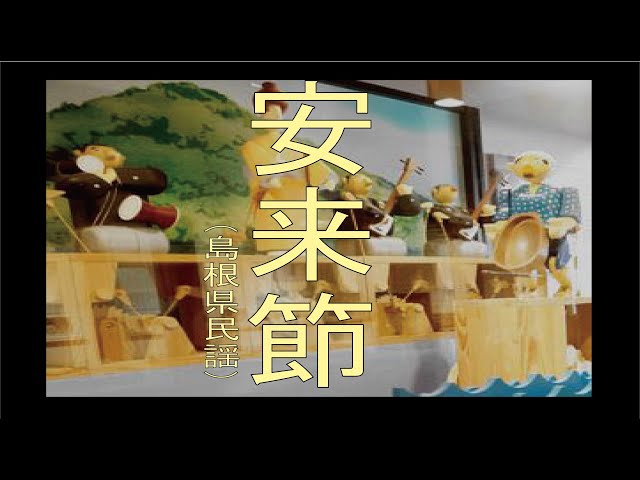
A signature folk performance from Shimane Prefecture, this piece beautifully blends the bustle of a port town with the bittersweet lives of its people.
Its lively 7-7-7-5 rhythm interweaves with shamisen and festival accompaniment, setting listeners’ hearts dancing.
The free-flowing melodic turns—sometimes described as almost jazz-like—carry a certain wistfulness as well, a depth that many may find deeply compelling.
Its origins trace back to the Genroku era of the Edo period, thought to have evolved through the fusion of diverse cultures carried by the Kitamaebune trading ships.
United with a humorous dance, this work invites you to listen when you wish to touch the primal landscape of the Japanese spirit—let its nostalgic strains wash over you.
Kawachi Ondo

An energetic local sound imbued with Osaka’s fiery spirit and heartfelt warmth.
This is a traditional Bon dance song from the Kawachi region of Osaka Prefecture, with roots dating back to the late Edo period.
In 1991, an arranged version titled “Kākin Ondo” was produced for a commercial, gaining nationwide popularity.
While based on taiko drums and shamisen, it freely incorporates guitar at times, delivering improvised lyrics that range from samurai warlords to contemporary events.
Its lyrics distill the land’s history and culture into a vivid, living narrative.
Join in the calls and responses, and experience the spirit of Naniwa for yourself!
Akita Obako Bushi
It’s a folk song that represents Akita, one whose glossy beauty somehow carries a touch of melancholy.
Even if you don’t know the melody, you may have heard its distinctive phrasing somewhere before.
Originally a simple tune brought over from Yamagata, it was refined by a composer father and his singer daughter into vibrant music for dance.
The piece won top honors at the national performing arts competition held at the Exposition in 1922 (Taisho 11), and by 1928 recordings such as “Akita Obako” had been released.
Why not lend it an ear as you reminisce about festivals back home?
[Japanese Folk and Regional Songs] A Collection of Beloved Local Masterpieces from Across Japan (11–20)
Hakone Packhorse Driver’s Song
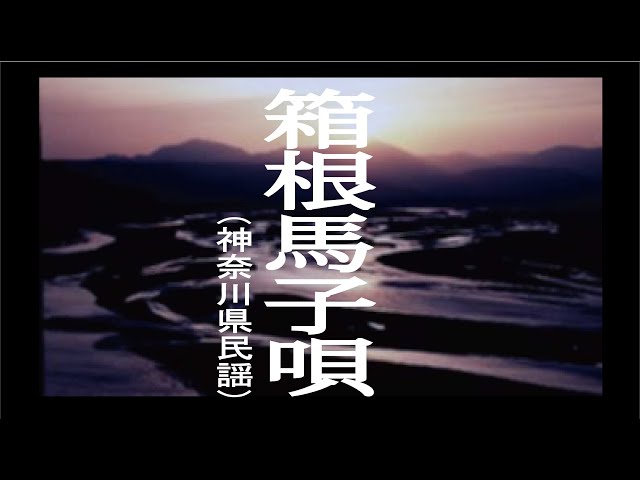
This piece feels as if you can hear the powerful breathing of the packhorse drivers traveling the rugged Hakone road in the Edo period.
It contrasts the Hakone mountain path, which even horses could cross, with the Ōi River, whose crossing was even more difficult, vividly conveying the harshness of travel in those days.
The song is a folk tune that spread organically as a work song during the Edo era.
Its roots differ from the 1901 school song “Hakone Hachiri,” and this work, deeply rooted in the local community, has even been commemorated with a monument in Hakone Town for its cultural value.
Why not listen to it when you want to reflect on journeys of the past and experience the spirit of Japan’s landscape?
Hanagasa Ondo

This is a rousing hometown treasure from Yamagata Prefecture that sets your heart dancing with its spirited shouts.
Originating as a powerful work song born from civil engineering labor in the Taisho era and shaped into a folk song in the early Showa period, it was showcased at the Zao Summer Festival in 1963.
Since then, it has become indispensable to the Yamagata Hanagasa Festival.
The lyrics’ pride in the region’s beautiful scenery and local specialties, along with the sense of unity as voices join together, fills listeners with vitality.
It’s a perfect classic for those times when you want to feel energized while connecting with local culture.
You’ll feel your heart warmed by the nostalgic fragrance of the homeland.
Gujo-bushi
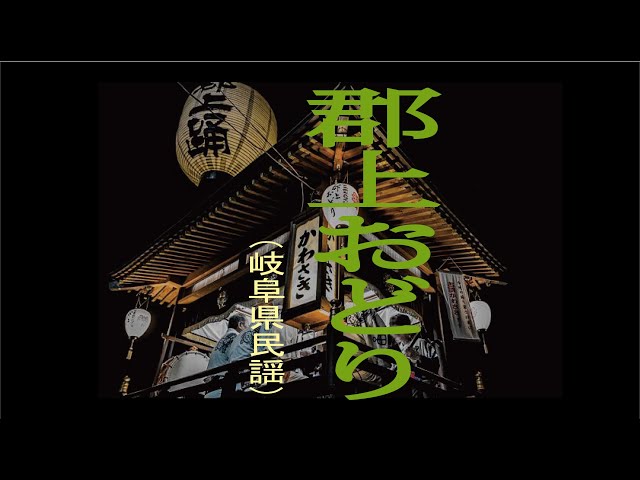
A nostalgic folk song passed down mainly in Gujo Hachiman, Gifu Prefecture.
Its history is said to go back about 400 years, and it is known nationwide as a Bon dance song.
This piece expresses the lingering feelings of someone leaving their hometown.
Even though no rain is falling, the sleeves are soaked with parting tears—an image that irresistibly draws you in.
Since a preservation society was founded in the Taisho era, its warm melody has been lovingly safeguarded by local residents.
When you find yourself suddenly missing home while living in the city, this bittersweet and beautiful melody may seep deep into your heart.
Iyo-bushi
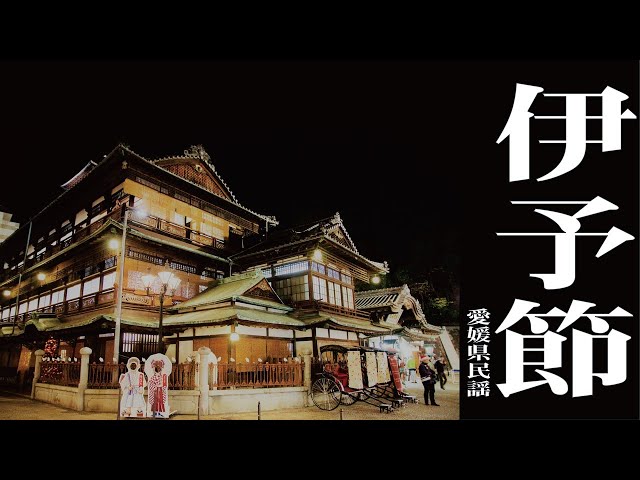
This is a famous song that blossomed from the refined ozashiki culture of Edo and spread across the country, conveying the charm of Matsuyama in Ehime Prefecture.
According to one account, it originated around 1818, inspired by the popularity of Iyo dyeing and born from the tasteful consideration of the feudal lord.
It was originally a song for pilgrims to Ise, but its lyrics were changed to include local landmarks—such as the steam rising from Dogo Onsen and the bustle of the Mitsu morning market—establishing it as a quintessential Matsuyama ozashiki song.
If you listen while picturing your hometown scenery, or thinking about a journey you’re about to take, it may resonate with you even more deeply.