

[Japanese Folk and Regional Songs] A Collection of Beloved Masterpieces from Across Japan, Brimming with Local Pride

From north to south, the traditional singing voices passed down across Japan are treasures of each region.
Perhaps you, too, have a memorable song that your grandparents or parents sang to you when you were a child—or one you sang together.
Folk songs, woven with the lives, cultures, and sentiments of their native places, have been sung across generations.
In this article, we introduce a selection of Japanese folk songs that resonate with the heart.
As you listen to the nostalgic melodies of hometowns, let us touch the spirit and landscape of Japan.
- Ranking of Popular Folk Songs
- Folk songs you’ll want to sing at karaoke: classic and popular tunes everyone can enjoy
- Soran Bushi: Compare renditions of this classic folk song by various artists!
- Nostalgic Children’s Songs, Folk Songs, and Nursery Rhymes: The Heart of Japan Passed Down Through Song
- [Hometown Songs] A curated selection of popular Japanese tracks that fill your heart with nostalgia
- [Japanese Children's Songs] Carefully selected timeless masterpieces loved across generations!
- [Folk and Children's Songs of Hokkaido] Songs of Hokkaido that continue to be loved across generations
- Folk songs, children’s songs, and nursery rhymes of Osaka: the enduring spirit of our hometown carried on in song
- [2026] The Heart of Our Hometowns Carried Through Song: A Roundup of Japanese Folk Singers, Including Young Talents!
- Folksongs, children's songs, and nursery rhymes of Fukushima: the heart of our hometown passed down in song
- Folk Songs of the World | Hometown Songs Passed Down Abroad
- The Spirit of Japan: A Collection of Famous and Popular Shamisen Pieces
- Beautiful Folk Songs Passed Down in Miyagi Prefecture: A Collection of Masterpieces that Play the Heart of the Hometown
[Japanese Folk and Regional Songs] A Collection of Beloved Classics from Across Japan Brimming with Local Pride (41–50)
Kokiriko-bushiRindō Miyuki

Miyuki Hayashimichi, a folk singer from Nanto City in Toyama Prefecture, is performing the Kokiriko-bushi.
I was amazed that her voice was even more robust than I had imagined.
Folk songs don’t allow for any tricks—you can’t cover the voice with instrumental playing or by turning up the volume.
She truly has a remarkable voice.
Gosha Dance

A celebratory folksong rooted in the local community and passed down at Hine Shrine in Izumisano City, Osaka.
Its origins lie in the travel songs sung during the Edo-period pilgrimages to Ise.
In 1965, its name was chosen through submissions from parishioners, and it was dedicated along with choreography.
It is characterized by an energetic style that unites drum rhythms with spirited calls.
Carefully preserved by the hands of local residents, it is truly a piece imbued with the heart of the hometown.
Why not experience the fervor of Osaka’s festivals and the warm prayers of its people?
Sumiyoshi Odori
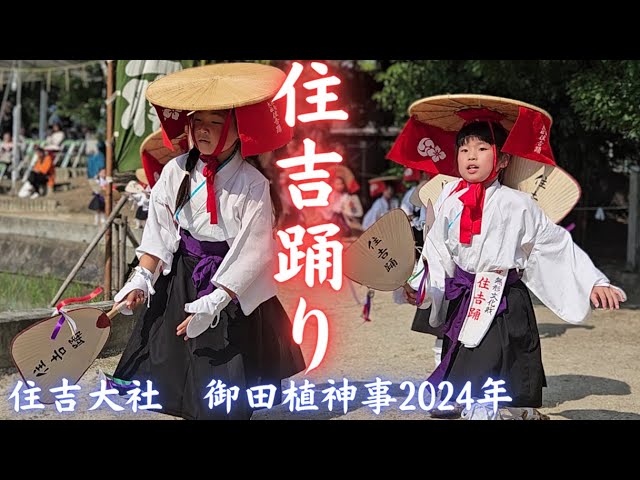
This is a sacred and dynamic dedicatory dance song handed down at Sumiyoshi Taisha in Osaka.
The lively rhythms struck by shamisen and drums seem to embody the very prayers of people wishing for a bountiful harvest.
During the rites, adorable young girls dance with fans in hand.
Their figures, brimming with vitality even amid a solemn atmosphere, lift the hearts of all who watch.
Why not experience its sacred resonance and feel the breath of Osaka’s long history?
Sakai Sumiyoshi

This is a song that captures the charm of Sumiyoshi in Osaka.
The leisurely tones of the shamisen create a glossy, elegant atmosphere typical of the Kamigata style.
In the lyrics, the singer visits famous sights of Sumiyoshi Taisha, as if feeling the bustle on their skin.
The way local souvenirs are recommended in the latter half conveys the warmth of the people.
It’s a piece to savor when you want to reflect on the nostalgic scenery of old Naniwa.
Makio Mountain Nobori-raising Ondo

One of the folk songs born in the early Meiji period in Izumi, Osaka Prefecture.
It is said to have originated as a traveling song sung by people as they walked, hoisting banners, during public viewings of sacred images at the temple on Mount Maki’o.
A lively call-and-response overlays the cheerful Ise-ondo–style rhythm, conjuring up the bustling scene of a pilgrimage procession.
The lyrics weave in local specialties like oranges as well as the landscapes and scenes of the time, infusing the fun with a deep affection for the region.
It may be the perfect piece for moments when you want to attune your ears to Osaka’s long history and the prayers of the people who lived there.
Yokoyama Ondo

This is a bon-odori song cherished in Kumatori Town.
Incorporating elements of joruri narrative music and kabuki, its lyrics weave in tales of pilgrims’ journeys and partings, stirring reflections on the lives of people long ago.
Over time, this song—guided by tradition but evolving into a more danceable tempo, such as through the lively phrasing of the “Kawachi Ondo” added by tradition bearer Kazuyoshi Kawai—has continued to change.
Its charm may lie in the warm intent to preserve tradition while ensuring that many can enjoy it.
Kashii-san and dance

A lively bon-odori song cherished and passed down in Izumisano City, Osaka Prefecture.
Dancers spend the night moving to the powerful drum rhythms that resound from atop the yagura, repeating short phrases again and again.
It is said to have originally been danced to encourage soldiers wounded in the Battle of Kashii during the Summer Siege of Osaka.
You can feel in the music the festival’s fervor that connects generations and a deep love for one’s hometown.
It is designated as an Intangible Folk Cultural Property of Izumisano City.