


Folk songs, children’s songs, and nursery rhymes of Osaka: the enduring spirit of our hometown carried on in song

In this article, we feature folk songs and children’s songs related to Osaka!Osaka has long been a key hub of logistics, situated at the confluence of busy sea routes and rivers.Because of that, Osaka’s folk repertoire includes pieces like the Yodogawa boat songs that evoke its deep history.At the same time, there are newer tunes that symbolize contemporary Osaka, such as the Harukas Ondo inspired by Abeno Harukas.Listen to the folk and children’s songs of Osaka—once called the “nation’s kitchen”—and immerse yourself in its long, rich history!
Osaka’s folk songs, children’s songs, and nursery rhymes: The heart of our hometown passed down through song (1–10)
Song of Osaka’s Delicious Foods
As a children’s song or nursery rhyme, it might fall into the category of newer works.
That’s “The Osaka Delicious Foods Song.” Foods that are Osaka specialties—mainly flour-based dishes like takoyaki and okonomiyaki—are sung to a lively melody.
Also, for some reason the second verse boasts about funny things, featuring Tsutenkaku Tower and the Yoshimoto New Comedy troupe.
Horie Bon Folk Song

It is a bon-odori song from the red-light district that used to be in Horie, Nishi Ward, Osaka City, and it seems geisha once sang and danced to it gracefully.
The lyrics—“We broke the brazier / We broke the mortar / We got scolded / Now, watermelon…”—are buoyed by a cheerful tune and have been passed down to the present day.
Taishi Town Song

A song that sings of the history of Taishi Town in Osaka Prefecture, a place associated with Prince Shōtoku, and its hopes for the future.
Set to a warm melody that would also shine in choral performance, it weaves together images of a tranquil landscape rich with fruit trees and pride in the history built by our predecessors.
You can really sense the residents’ pure love for their town.
The song was released in September 1976 as the single “Taishi Town Ondo / Taishi Town Song,” performed by Kenji Ito.
It’s also beloved as the music for the town’s calisthenics.
Why not listen to it when you want to quietly reflect on the scenery of your hometown and the warm lives of its people?
Sumiyoshi Odori
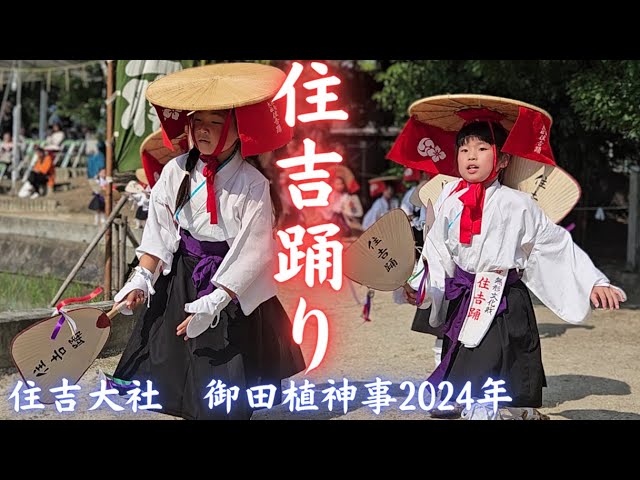
This is a sacred and dynamic dedicatory dance song that has been passed down at Sumiyoshi Taisha in Osaka.
The lively rhythms marked by shamisen and drums seem to embody the very prayers of people wishing for a bountiful harvest.
During the rituals, charming young maidens dance with fans in hand.
Their presence overflows with vitality even amid the solemn atmosphere, lifting the hearts of all who watch.
Why not experience its sacred resonance and feel the breath of Osaka’s long history?
Grand Osaka Subway MarchTokuyama Ren · Kobayashi Chiyoko

A song composed when the Osaka Municipal Subway opened in 1933.
The lyrics were written by Yonejiro Hiratsuka, who was then the director of the Osaka Municipal Electric Bureau, the predecessor of today’s Osaka Municipal Transportation Bureau.
At the time, the main modes of transport within the city were streetcars and buses, but since the subway had a higher average speed than those, the song’s theme celebrates the “age of speed.”
Yokoyama Ondo

This is a bon odori song cherished in Kumatori Town.
Incorporating elements of joruri narrative music and kabuki, its lyrics weave in stories of pilgrims’ journeys and partings, evoking the lives of people in days gone by.
Over time, this ondo has evolved into a more danceable tempo—for example, tradition-bearer Kazuyoshi Kawai introduced the lively phrasing of the “Kawachi Ondo.” Perhaps its charm lies in the warm-hearted wish to let many people enjoy it while preserving tradition.
Osaka Boogie-WoogieKasaogi Shizuko

A number released in 1948 by Shizuko Kasagi following the huge hit “Tokyo Boogie-Woogie.” The lyrics are packed with Osaka place names like Shinsaibashi and Semba, and even include depictions comparing Osaka to New York.
For Shizuko Kasagi, who grew up in Osaka, this may have been an easier song to sing.
She went on to release many other “local boogies,” such as “Nagoya Boogie” and “Hakata Boogie-Woogie.”