

Folk songs, children’s songs, and nursery rhymes of Osaka: the enduring spirit of our hometown carried on in song

In this article, we feature folk songs and children’s songs related to Osaka!Osaka has long been a key hub of logistics, situated at the confluence of busy sea routes and rivers.Because of that, Osaka’s folk repertoire includes pieces like the Yodogawa boat songs that evoke its deep history.At the same time, there are newer tunes that symbolize contemporary Osaka, such as the Harukas Ondo inspired by Abeno Harukas.Listen to the folk and children’s songs of Osaka—once called the “nation’s kitchen”—and immerse yourself in its long, rich history!
- [Song of Osaka] A selection of passionate, warm-hearted Osaka tunes
- Kyoto’s folk songs, children’s songs, and nursery rhymes: the enduring spirit of our hometown passed down through song.
- [For Seniors] Songs Everyone Can Sing Together! A Roundup of Recommended Crowd-Pleasers
- Nostalgic Children’s Songs, Folk Songs, and Nursery Rhymes: The Heart of Japan Passed Down Through Song
- Ranking of Popular Folk Songs
- [Japanese Folk and Regional Songs] A Collection of Beloved Masterpieces from Across Japan, Brimming with Local Pride
- March nursery rhymes & hand play songs! Spring songs you can enjoy with your kids
- Tokushima’s Folk Songs, Children’s Songs, and Nursery Rhymes | Traditional Songs Rooted in the Region, Including Awa Odori
- Folk songs, children’s songs, and nursery rhymes of Kumamoto: the enduring spirit of our hometown passed down through song.
- Folk songs, children's songs, and nursery rhymes of Hiroshima: the enduring heart of our hometown, passed down through song.
- Songs by Yoshimi Tendo, the songstress born in Osaka, that are easy to sing
- Fukuoka’s folk songs and children’s rhymes: History and sentiments conveyed by the nostalgic melodies of home
- [Folk and Children's Songs of Hokkaido] Songs of Hokkaido that continue to be loved across generations
Folk songs, children's songs, and nursery rhymes of Osaka: The heart of our hometown passed down in song (31–40)
Yodogawa Embankment Thousand-Drumming Song

This is a piece often chosen as a practice tune for the shamisen.
“Senbon-zuki” refers to the task of compacting a soil embankment by striking it repeatedly with a pole.
It is said that many people worked while singing this song during the reconstruction of the Yodo River.
Fantasy on Osaka Folk SongsŌguri Yutaka
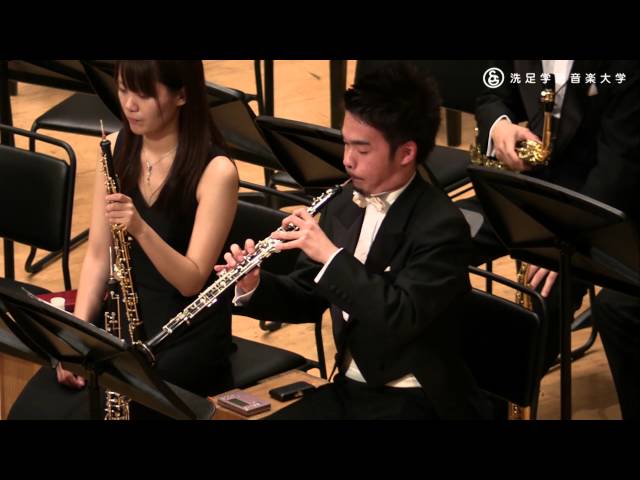
This is Fantasia on Osaka Folk Songs for wind band, arranged in 1970.
While folk songs and children’s songs have long been passed down in vocal form, this 12-minute work for wind band conveys a hometown-like sound within the ensemble, moving listeners with its sense of nostalgia.

Rokko Oroshi

“Rokko Oroshi” is a meteorological term for the downdraft that occurs around Mount Rokko.
It’s known as a cold wind that blows through the Hanshin area.
At the same time, it’s famous as the Hanshin Tigers’ fight song.
When you hear this song, isn’t the first thing that comes to mind the scene at Koshien Stadium?
Kawachi Otoko-bushiNakamura Mitsuko

This song, performed by enka singer Mitsuko Nakamura from Higashi-Osaka, incorporates the rhythm and phrasing of the local folk song Kawachi Ondo.
Released in 1989, it became a major hit centered around Osaka and turned into one of her signature songs beloved by locals.
The song is mainly used for Bon Odori dances in the Kawachi area, and it’s so popular that she sometimes appears at Bon Odori venues to sing it herself.
Naniwa Little SongNimura Teiichi

Also known by the alternate title Dotonbori Nightscape, this song was performed by Sadaichi Futamura, a leading singer and vaudevillian of the early Showa era, and was released in 1929.
Created as one of the regional songs and new folk tunes that were popular at the time, it was also used as a film theme song.
Perhaps its somewhat modern tone comes from the fact that it is set in Dotonbori, a great metropolis.
Osaka folk songs, children’s songs, and nursery rhymes: the heart of our hometown passed down in song (41–50)
den-den daiko (Japanese pellet drum)

It’s a lullaby that is widely heard throughout Japan, but in Tenno, Nose Town, Toyono District, a version with slightly different lyrics from those in this video has been passed down.
It seems that famous children’s songs like this often had their lyrics gradually rearranged and altered as they spread to different regions.
Tracing that evolution might be interesting, too.

Osaka Ondo

In the early Showa period, many regional ditties known as “new folk songs” were created.
This “Osaka Ondo” is one of them.
It was recorded by the singer Fujimoto Fumikichi.
He released many other new folk songs as well, and they became beloved by many people.