

Folk songs, children’s songs, and nursery rhymes of Osaka: the enduring spirit of our hometown carried on in song

In this article, we feature folk songs and children’s songs related to Osaka!Osaka has long been a key hub of logistics, situated at the confluence of busy sea routes and rivers.Because of that, Osaka’s folk repertoire includes pieces like the Yodogawa boat songs that evoke its deep history.At the same time, there are newer tunes that symbolize contemporary Osaka, such as the Harukas Ondo inspired by Abeno Harukas.Listen to the folk and children’s songs of Osaka—once called the “nation’s kitchen”—and immerse yourself in its long, rich history!
- [Song of Osaka] A selection of passionate, warm-hearted Osaka tunes
- Kyoto’s folk songs, children’s songs, and nursery rhymes: the enduring spirit of our hometown passed down through song.
- [For Seniors] Songs Everyone Can Sing Together! A Roundup of Recommended Crowd-Pleasers
- Nostalgic Children’s Songs, Folk Songs, and Nursery Rhymes: The Heart of Japan Passed Down Through Song
- Ranking of Popular Folk Songs
- [Japanese Folk and Regional Songs] A Collection of Beloved Masterpieces from Across Japan, Brimming with Local Pride
- March nursery rhymes & hand play songs! Spring songs you can enjoy with your kids
- Tokushima’s Folk Songs, Children’s Songs, and Nursery Rhymes | Traditional Songs Rooted in the Region, Including Awa Odori
- Folk songs, children’s songs, and nursery rhymes of Kumamoto: the enduring spirit of our hometown passed down through song.
- Folk songs, children's songs, and nursery rhymes of Hiroshima: the enduring heart of our hometown, passed down through song.
- Songs by Yoshimi Tendo, the songstress born in Osaka, that are easy to sing
- Fukuoka’s folk songs and children’s rhymes: History and sentiments conveyed by the nostalgic melodies of home
- [Folk and Children's Songs of Hokkaido] Songs of Hokkaido that continue to be loved across generations
Folk songs, children's songs, and nursery rhymes of Osaka: The enduring heart of our hometown (21–30)
Sakai Citizens’ Song
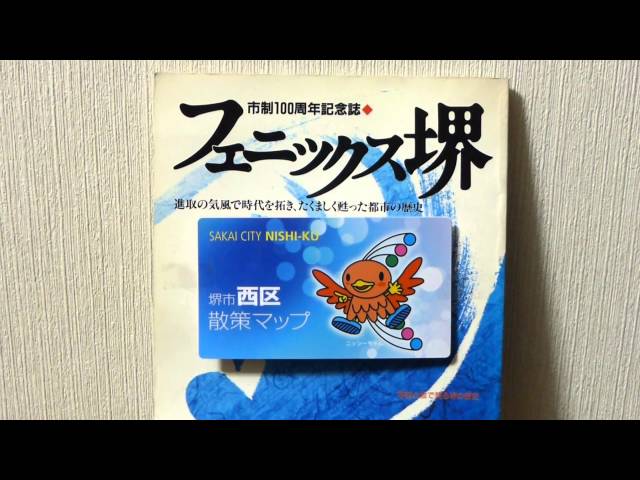
The first official city song was the “Sakai City Song,” established in 1935.
However, since opportunities to perform it were lost after the war, a new second city song, “Sakai Citizens’ Song,” was created in 1959 to commemorate the 70th anniversary of the city’s incorporation.
It is frequently performed at events hosted by the City of Sakai and is beloved by its citizens.
Shopping BoogieKasaogi Shizuko
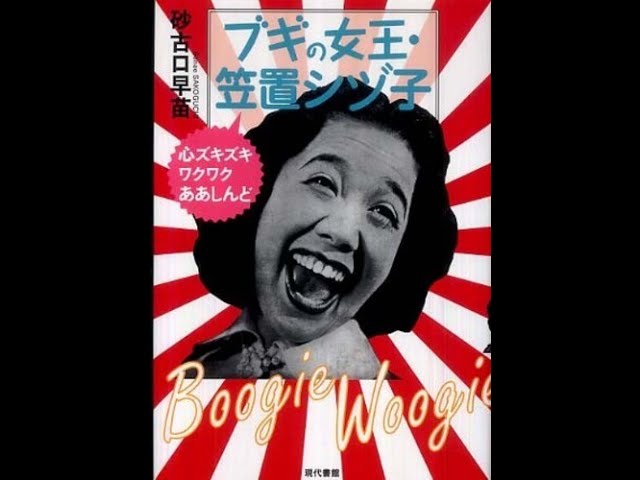
One of the signature songs of Shizuko Kasagi, who took postwar Japan by storm as the “Queen of Boogie.” The lyrics, written by Ryoichi Hattori and inspired by Kamigata rakugo, are entirely in Osaka dialect, which was remarkably innovative for the time.
Its brisk tempo and chatty, distinctive lyrics have been beloved by many and continue to be sung today.
Folk songs, children's songs, and nursery rhymes of Osaka: The heart of our hometown passed down in song (31–40)
king (shogi piece)Murata Hideo

“Osho” — and no, not the Chinese restaurant, but the classic number by the great Hideo Murata.
This song, modeled after the famed Osaka shogi player Sankata Sankichi, became a massive hit when it was released in 1961, selling over 1.5 million copies.
The lyrics were penned by poet Yaso Saijo, also known for writing children’s songs such as “Kanariya” and “Katatataki.”
Osaka City Song

This is the official song of Osaka City, established in 1921.
The lyrics were selected through a public contest, with a distinguished panel of judges that included Ogai Mori and Rohan Koda.
Set to music by Akira Nakata, an associate professor at the Tokyo Music School, the adopted Osaka City Song is sung at events held by the municipal government and city schools.
Mamekachi Ondo

The lyrics mention Sumi-no-ye Yora Village, which refers to the present-day areas around Asaka, Karita, Sugimoto, Niwai, and Yamanouchi in Sumiyoshi Ward, Osaka City.
This shows that the song was a type of bon-odori that spread in that region.
The title comes from the term “mame-kachi,” used for the task of cracking the shells of dried fava beans, and from how that work looked as if people were dancing.
Great Osaka Subway Ditty

This is a song included on the B-side of the “Great Osaka Subway March,” which was produced when the Osaka Municipal Subway opened in 1933.
Like the “Great Osaka Subway March,” it praises the newly opened subway, but what makes this one unique is that it’s a much more adult-oriented kouta (short traditional song).
Set to a snappy kouta rhythm, it promotes the subway’s convenience and comfort.
Yodogawa Thirty-Koku Boat Boat Song

This is a boatmen’s song sung by the helmsmen of the “San-jukkoku-bune,” the thirty-koku cargo boats that traveled along the Yodo River between Fushimi in Kyoto and Hachikenya in Osaka from the early Edo period.
In the rakugo story Sanjukkoku, there is a famous scene in which the boat heads down the Yodo River toward Osaka at night and the boatman sings this very song; even today, rakugo performers proudly showcase their singing voices with it.