

[Japanese Folk and Regional Songs] A Collection of Beloved Masterpieces from Across Japan, Brimming with Local Pride

From north to south, the traditional singing voices passed down across Japan are treasures of each region.
Perhaps you, too, have a memorable song that your grandparents or parents sang to you when you were a child—or one you sang together.
Folk songs, woven with the lives, cultures, and sentiments of their native places, have been sung across generations.
In this article, we introduce a selection of Japanese folk songs that resonate with the heart.
As you listen to the nostalgic melodies of hometowns, let us touch the spirit and landscape of Japan.
- Ranking of Popular Folk Songs
- Folk songs you’ll want to sing at karaoke: classic and popular tunes everyone can enjoy
- Soran Bushi: Compare renditions of this classic folk song by various artists!
- Nostalgic Children’s Songs, Folk Songs, and Nursery Rhymes: The Heart of Japan Passed Down Through Song
- [Hometown Songs] A curated selection of popular Japanese tracks that fill your heart with nostalgia
- [Japanese Children's Songs] Carefully selected timeless masterpieces loved across generations!
- [Folk and Children's Songs of Hokkaido] Songs of Hokkaido that continue to be loved across generations
- Folk songs, children’s songs, and nursery rhymes of Osaka: the enduring spirit of our hometown carried on in song
- [2026] The Heart of Our Hometowns Carried Through Song: A Roundup of Japanese Folk Singers, Including Young Talents!
- Folksongs, children's songs, and nursery rhymes of Fukushima: the heart of our hometown passed down in song
- Folk Songs of the World | Hometown Songs Passed Down Abroad
- The Spirit of Japan: A Collection of Famous and Popular Shamisen Pieces
- Beautiful Folk Songs Passed Down in Miyagi Prefecture: A Collection of Masterpieces that Play the Heart of the Hometown
[Japanese Folk and Regional Songs] A Collection of Beloved Local Masterpieces from Across Japan (11–20)
Setsu Toyama
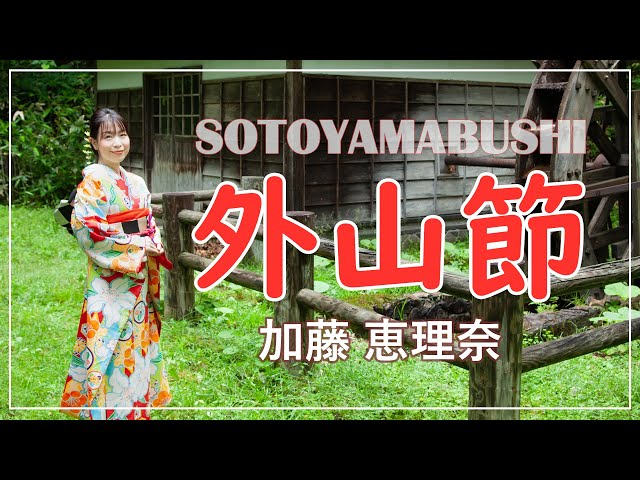
This song, brimming with vitality and hometown pride, was born on the vast ranches of Iwate.
Its origins are said to trace back to Meiji 24 (1891), when workers at the Imperial Household Agency’s Goryo Ranch hummed it as a work song during breaks from cutting grass.
The lyrics, which liken oneself to a bracken fern quietly growing in the shade, evoke the image of people living humbly yet powerfully amid harsh nature.
The rhythmic calls and call-and-response singing may vividly depict the scenes of that era, with comrades uniting their hearts as they labored in sweat.
Perhaps many who hear this piece find their thoughts drifting to a nostalgic, quintessential Japanese landscape.
Yamanaka-bushi
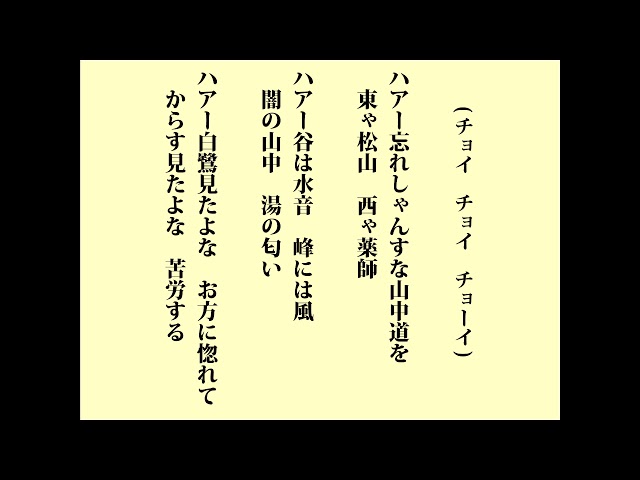
It is a folk song long handed down in Yamanaka Onsen, Ishikawa Prefecture, that stirs a traveler’s heart.
Said to have begun as a call-and-response between spa guests and women in yukata, its bittersweet melody still conjures warm scenes of friendly exchange.
The lyrics weave in both the reluctance to part and the sights of the hot-spring town, likely to evoke nostalgic images in the listener’s mind.
Passed down orally, the song gained nationwide recognition when local geisha performed it with dance at the 1970 Osaka Expo.
It’s a perfect piece for those who wish to touch Japan’s pastoral essence or reflect on encounters made while traveling.
Takeda Bushi (Takeda Song)
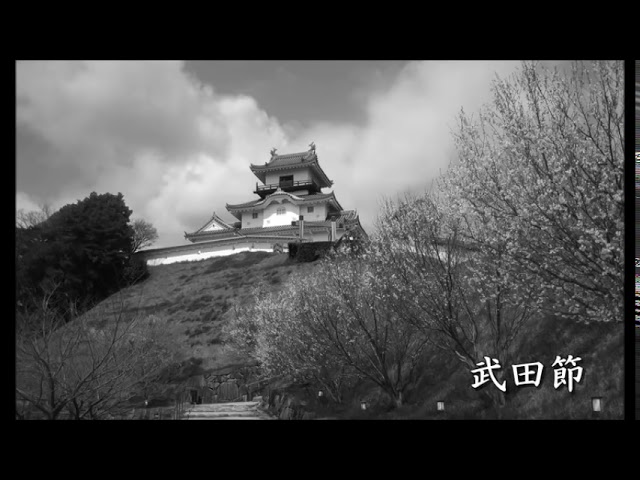
It is a truly soul-stirring masterpiece that powerfully sings of the majestic nature of Kai and the pride of the people rooted there.
Centered on the famous teaching, “People are the castle, people are the stone walls, people are the moats,” it vividly portrays deep love for one’s homeland and the spirit of the samurai.
Originally a demo tape for dance practice, the lyrics were written in 1957 at the lyricist’s wish to create “a song everyone in Yamanashi can sing.” Why not listen to it when you want to bask in historical romance or rouse your own spirits?
Awa Yoshiko melody
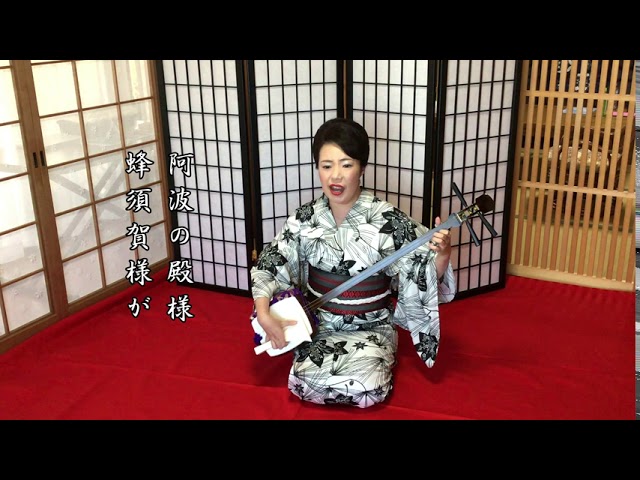
This is a folk song beloved in Tokushima Prefecture.
It’s sung during Awa Odori, one of Japan’s three major Bon dances, and is cherished not only by the people of Tokushima but by many others as well.
The song’s greatest appeal lies in its lively “zomeki” rhythm that sets listeners’ hearts dancing.
It brims with an open, infectious energy that seems to teach us the chic spirit of everyone—dancers and spectators alike—enjoying the moment together.
Why not listen when you want to feel the festival’s heat and the exhilaration of people moving as one? It’s a piece filled with a mysterious charm that makes you want to move your body.
Katano-bushi

This is a traditional Bon Odori song from the Kawachi region, said to have originated in the mid-Edo period.
It is also known as a root of the “Kawachi Ondo.” With melodies and dances passed down in slightly different forms from area to area, its simple resonance may evoke images of one’s hometown landscape.
In October 2018, a recording titled “Katano Bushi ~ Ishikawa Goemon ~,” arranged with orchestral accompaniment, was released.
Furthermore, in 2025, as part of a project related to the Osaka–Kansai Expo, an uptempo arrangement of this work was introduced to reach younger audiences.
Sano’s seduction

This is a richly narrative bon odori song passed down since the Edo period in Izumisano City, Osaka Prefecture.
Its lilting 7-5 syllabic phrasing, delivered like spoken storytelling over rhythms of shamisen and taiko, resonates deeply.
It almost feels like watching a grand historical picture scroll unfold.
Highly regarded for its cultural value, it has been recognized as a component cultural asset of Japan Heritage.
Why not give it a listen when you want to reflect on Osaka’s history and the lives of its people?
[Japanese Folk Songs / Regional Songs] A Collection of Beloved Classics from Around Japan (21–30)
Sado OkesaMurata Bunzō

Sado Okesa is one of the Okesa folk songs handed down in Sado City, Niigata Prefecture (the former Province of Sado), and today it is known nationwide as a representative folk song of Sado.
In 1926 (Taisho 15), Murata Bunzo released a record of Sado Okesa and held concerts not only throughout Japan but also in South Sakhalin, Manchukuo, Taiwan, and Korea, helping to popularize Sado Okesa.