


Folk Songs, Children's Songs, and Nursery Rhymes of Aomori: Japanese Songs from Tsugaru and Hachinohe that Resonate with the Heart

Aomori Prefecture is alive with a rich tradition of culture and performing arts.
In the lands of Tsugaru and Hachinohe, the emotive strains of folk songs still resound today.
Coupled with the powerful tones of the Tsugaru shamisen, Aomori’s folk music speaks deeply to our hearts.
In this article, we have carefully selected “folk songs, children’s songs, and nursery rhymes of Aomori,” born from the lives of people shaped by mountains, the sea, and a harsh climate.
We present timeless masterpieces that have been lovingly sung and passed down through the ages.
Won’t you lend an ear to the world of songs that can truly be called the heart of Aomori?
Aomori Folk Songs, Children's Songs, and Nursery Rhymes | Soul-Stirring Japanese Songs Living On in Tsugaru and Hachinohe (1–10)
Tsugaru Sangen Kudari
Among folk songs, the “Sangakudari” is said to be the most challenging in terms of tempo and timing.
In the folk music world, it’s known as a piece that only fairly advanced performers can sing or play well.
When you listen to performances by Kohei Fukuda, an enka singer renowned for folk songs, you can really tell how advanced he is.
Tsugaru Bayashi
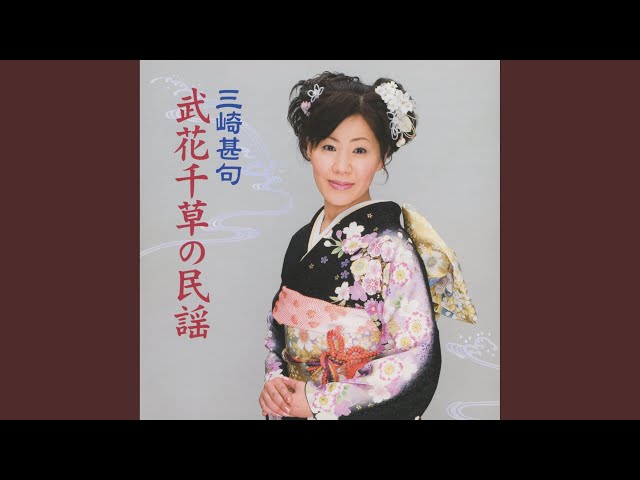
Tsugaru Bayashi is said to have originated when people from Tsugaru who went to work in the Murakami area of Niigata Prefecture brought back and sang the local Bon Odori.
This folk song, cherished as a drinking song, is based on the original tune Murakami Jinku, and before the war it was reportedly sung by Tsugaru entertainers to draw in crowds.
Since it was originally a Niigata folk song, it was first called Echigo Jinku, but after the war it came to be widely known by its current title.
Yasaburō-bushi

It’s a folk song that was sung toward the end of the Edo period, but it’s a wife-bullying song to a degree that would be unthinkable today! It’s said to have as many as fifteen verses.
“Yasaburō’s wife’s hands are cracked and bloody, yet she’s not allowed to put oil on them,” “Even when given delicious botamochi, they hide it and eat it so the wife won’t find out”…
How does that make you feel?
Tsugaru Jongara-bushi

Tsugaru Jongara-bushi is one of the three major folk songs of the Tsugaru region, alongside Tsugaru Ohara-bushi and Tsugaru Yosare-bushi, and is sung with shamisen accompaniment.
The origin of the term “jongara” is uncertain, but a leading theory traces it to the name of a monk, Jōen, from a temple in the castle town of Asaseishi during the Sengoku period.
It is said that villagers held a Bon dance every year both to memorialize and console the spirit of the monk, who met an unfortunate end, and in doing so passed down the history—this is regarded as the origin of Jongara-bushi.
Tsugaru Yosare-bushi

There are various theories about the meaning of “yosare” in Tsugaru Yosare-bushi, one of the three major folk songs of Tsugaru.
Some say it means “let poor harvests and poverty go away,” while others interpret it as “I’ll leave the rest to you” when departing from a party or gathering.
Because there are also popular songs that use the word “yosare” in their titles, many people may have a general sense of its nuance.
Nambu Jinku
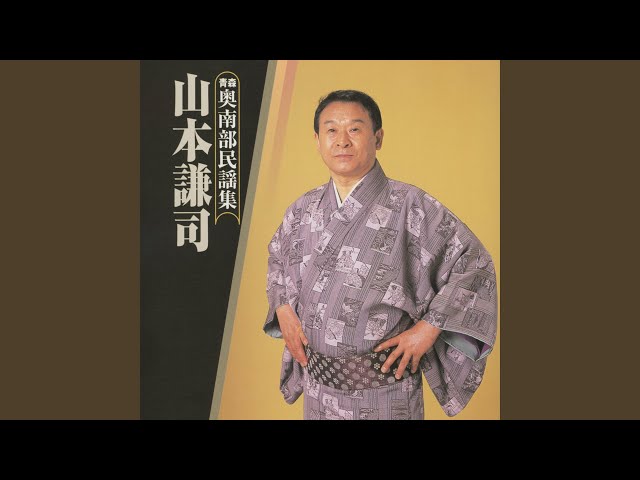
This is a representative hand-dance song that has been passed down for over a century in the southern region of Aomori Prefecture.
It is said that a stylish song that was popular in Edo during the Tenpō era made its way north, where it took root, blending with the local language and climate.
Within its short 7-7-7-5 verses, it deftly weaves in moments of respite during labor and the subtleties of everyday life, resonating warmly with listeners.
This piece has no single identified author and has been cherished and sung among the people.
Today, it is an indispensable number in the region’s performing arts, appearing on albums that collect local Bon dance songs and being performed at community events.
Nambu Oiwake
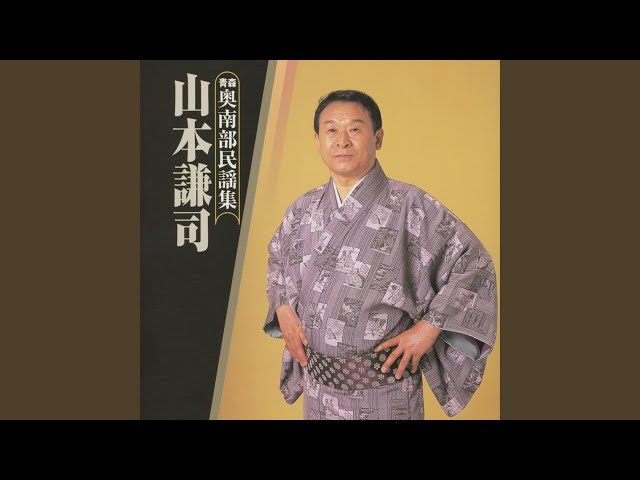
This is one of the folk songs that originated in Oiwake-juku in Shinshu, was passed down to the southern region of Aomori Prefecture, and beautifully fused with the local horse-driver’s songs.
The lyrics mention place names and signposts along the way, deeply expressing the melancholy and homesickness a traveler might feel at a fork in the road.
It is said that this piece has also been cherished as accompaniment for the regional “Nanbu Teodori” hand dance.
It was documented as a folk song in 1941 and was included on Kenji Yamamoto’s album Nanbu Oiwake: Kenji Yamamoto Aomori Oku-Nanbu Folk Song Collection, released in November 2001.
Shall we reflect on the lives of people who live in harmony with a harsh natural environment?