

Folk Songs, Children's Songs, and Nursery Rhymes of Aomori: Japanese Songs from Tsugaru and Hachinohe that Resonate with the Heart

Aomori Prefecture is alive with a rich tradition of culture and performing arts.
In the lands of Tsugaru and Hachinohe, the emotive strains of folk songs still resound today.
Coupled with the powerful tones of the Tsugaru shamisen, Aomori’s folk music speaks deeply to our hearts.
In this article, we have carefully selected “folk songs, children’s songs, and nursery rhymes of Aomori,” born from the lives of people shaped by mountains, the sea, and a harsh climate.
We present timeless masterpieces that have been lovingly sung and passed down through the ages.
Won’t you lend an ear to the world of songs that can truly be called the heart of Aomori?
- [Songs of Aomori] A collection of local songs depicting the grandeur of nature and the warmth of its people.
- [Japanese Folk and Regional Songs] A Collection of Beloved Masterpieces from Across Japan, Brimming with Local Pride
- Folk songs, children's songs, and nursery rhymes of Iwate: the heart of the hometown passed down through song
- [Folk Songs and Children's Songs of Akita] A curated selection of local masterpieces that evoke love for one’s hometown
- Beautiful Folk Songs Passed Down in Miyagi Prefecture: A Collection of Masterpieces that Play the Heart of the Hometown
- Folksongs, children's songs, and nursery rhymes of Fukushima: the heart of our hometown passed down in song
- Ranking of Popular Folk Songs
- Niigata’s folk songs, children’s songs, and nursery rhymes: the heart of our hometown passed down in song
- Folk songs, children's songs, and nursery rhymes of Toyama: the enduring heart of our hometown passed down through song
- [Folk and Children's Songs of Hokkaido] Songs of Hokkaido that continue to be loved across generations
- [February Songs] Introducing children's songs, folk songs, nursery rhymes, and hand-play songs about Setsubun and winter!
- [Folk Songs of Yamagata] The Heart of Our Hometown Passed Down in Song: Feelings Woven into Nostalgic Melodies
- Tokushima’s Folk Songs, Children’s Songs, and Nursery Rhymes | Traditional Songs Rooted in the Region, Including Awa Odori
Aomori Folk Songs, Children’s Songs, and Nursery Rhymes | Japanese Songs that Resonate in the Heart, Alive in Tsugaru and Hachinohe (31–40)
Japan’s Best Counting SongSasaki Kakusei
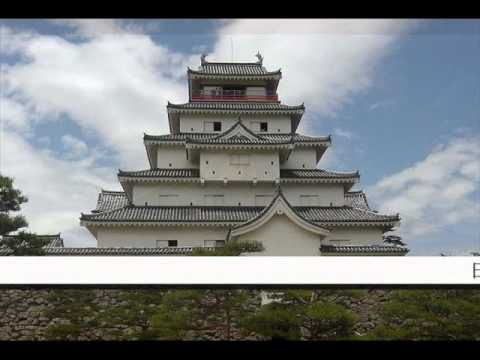
It is also known by the alternative name “Tsugaru Counting Song,” but strictly speaking it is not a counting song from Tsugaru; it is a nationwide counting song that was sung across Japan, so the lyrics vary by region.
Reading the lyrics, hmm—there are no place names from the Tsugaru area; instead, places like Susono, Mount Akagi, the Soga brothers, and Mount Atago appear—which makes me think maybe that’s Iwate Prefecture? In any case, the song truly turns the ‘number-one’ things of Japan into verse, yet for some reason it is called the Tsugaru Counting Song.
Nebuta OndoSasaki Shinichi

Among the Tohoku region’s three major festivals, the Nebuta Festival is famous for its music that plays throughout the event—and even in the local entertainment districts, you’ll hear it drifting in from somewhere.
Locals who dearly love Nebuta feel a surge of energy the moment they hear this tune and the Nebuta hayashi festival music.
The most iconic sights of the Nebuta Festival are the “Goldfish Nebuta” floats and the dancers called “Haneto.” With shouts of “Rassera~ Rassera~,” the dancers jump and move in a performance that looks incredibly demanding—but anyone can join in.
If just watching isn’t enough for you, be sure to try taking part as a Haneto!
Ajigasawa JinkuOtsuka Fumio

It is a Bon Odori folk song sung in Ajigasawa Town, Aomori Prefecture.
Upon looking into it, there appear to be two versions: “Shōchō Ajigasawa Jinku” and “Ajigasawa Jinku.” The former is considered the original song, while the latter is regarded as a new folk arrangement of “Ajigasawa Jinku” by Untake Narita and Chikuzan Takahashi.
One theory holds that the “Odori Kudoki” of the San’in region was brought over by sailors.
The term “Odori Kudoki” refers to lyrics that form a continuous narrative.
Kuroishi Yosare BushiKawasaki Masako

The Yosare-bushi is characterized by performances with instruments like the shamisen and drums, making it perfect for a festive atmosphere, and by its lively chant of “Etcha-ho, etcha-ho.” It is said that “yosare” has various meanings, and some say that Yosaburō, a farmer from Kuroishi, began singing it at a celebration for a bountiful harvest.
It is also thought that it carried the meaning of driving away poor harvests and poverty—“let misfortune be gone.”
Tsugaru Tanto-bushiKudō Kimie

The Tanto-bushi originally comes from a local performing art in Semboku District, Akita Prefecture, called “Bangaku.” It used to be sung to match the straw-threshing motions, but the master performer Narita Untiku and his disciple Takaya Sauntiku incorporated accompaniment from “Tsugaru Jongara-bushi,” creating “Tsugaru Tanto-bushi.” The lyrics vary and there doesn’t seem to be a single definitive version, but what they share is a theme of romantic affairs between men and women—expressed in today’s terms, you might even sense a vibe of, shall we say, the height of sleaziness.
Aomori Folk Songs, Children's Songs, and Nursery Rhymes | Japanese Songs from Tsugaru and Hachinohe that Resonate in the Heart (41–50)
Yosare Great Catch SongMatsuda Takayuki

This is a song that was sung at celebratory banquets after big catches in Hachinohe Port, Aomori Prefecture, and the Sanriku region, and the fish referred to in this poem is herring.
Speaking of herring, many people think of Hokkaido’s Soran Bushi, but the origins of herring fishing are actually in Aomori Prefecture.
The herring mansions of Hokkaido are famous, but there are also herring mansions in Goshogawara City, Aomori.
Although the herring fishery declined, some of these mansions have been restored and are used as lodging facilities, helping to promote local tourism.
Herring fishing was truly incredibly profitable.
Tsugaru Kobi-ki Uta (Tsugaru Woodcutter’s Song)Kikuyasu Katsuyō

Its origin lies in songs sung in unison when people working in the mountains sawed timber.
Woodcutters would come as seasonal migrant workers during the winter off-season from farming—farmers from southern Aomori to Iwate, as well as from Hiroshima Prefecture.
Perhaps for that reason, the song spread nationwide, but it split into east and west: east of the Kinki region it is called the Nanbu Kobi-uta (Southern Aomori/Iwate Woodcutters’ Song), and to the west it is known as the Hiroshima Kobi-uta (Hiroshima Woodcutters’ Song).