

Folk Songs, Children's Songs, and Nursery Rhymes of Aomori: Japanese Songs from Tsugaru and Hachinohe that Resonate with the Heart

Aomori Prefecture is alive with a rich tradition of culture and performing arts.
In the lands of Tsugaru and Hachinohe, the emotive strains of folk songs still resound today.
Coupled with the powerful tones of the Tsugaru shamisen, Aomori’s folk music speaks deeply to our hearts.
In this article, we have carefully selected “folk songs, children’s songs, and nursery rhymes of Aomori,” born from the lives of people shaped by mountains, the sea, and a harsh climate.
We present timeless masterpieces that have been lovingly sung and passed down through the ages.
Won’t you lend an ear to the world of songs that can truly be called the heart of Aomori?
- [Songs of Aomori] A collection of local songs depicting the grandeur of nature and the warmth of its people.
- [Japanese Folk and Regional Songs] A Collection of Beloved Masterpieces from Across Japan, Brimming with Local Pride
- Folk songs, children's songs, and nursery rhymes of Iwate: the heart of the hometown passed down through song
- [Folk Songs and Children's Songs of Akita] A curated selection of local masterpieces that evoke love for one’s hometown
- Beautiful Folk Songs Passed Down in Miyagi Prefecture: A Collection of Masterpieces that Play the Heart of the Hometown
- Folksongs, children's songs, and nursery rhymes of Fukushima: the heart of our hometown passed down in song
- Ranking of Popular Folk Songs
- Niigata’s folk songs, children’s songs, and nursery rhymes: the heart of our hometown passed down in song
- Folk songs, children's songs, and nursery rhymes of Toyama: the enduring heart of our hometown passed down through song
- [Folk and Children's Songs of Hokkaido] Songs of Hokkaido that continue to be loved across generations
- [February Songs] Introducing children's songs, folk songs, nursery rhymes, and hand-play songs about Setsubun and winter!
- [Folk Songs of Yamagata] The Heart of Our Hometown Passed Down in Song: Feelings Woven into Nostalgic Melodies
- Tokushima’s Folk Songs, Children’s Songs, and Nursery Rhymes | Traditional Songs Rooted in the Region, Including Awa Odori
Aomori Folk Songs, Children's Songs, and Nursery Rhymes | Soul-stirring Japanese Songs Alive in Tsugaru and Hachinohe (11–20)
Ho-hai Festival

A folk song from the Tsugaru region, notable for its striking yodel-like falsetto calls that seem to stretch on without end.
It depicts the everyday lives of people living alongside harsh nature: mountain wildflowers, bountiful rice ears, and a mother working through back pain.
The song’s greatest appeal lies in the beautiful contrast between the clear, prayer-like falsetto and the earthy, grounded chest voice.
This ebb and flow grips the listener’s heart.
Tsugaru-shamisen player Hiroki Nakamura performed this piece on his April 2023 EP, “AYUMI.” It has also been given a modern arrangement as the theme song for the local sake brand “Houhai,” further expanding the ways it can be enjoyed.
Nambu Aiya-bushi
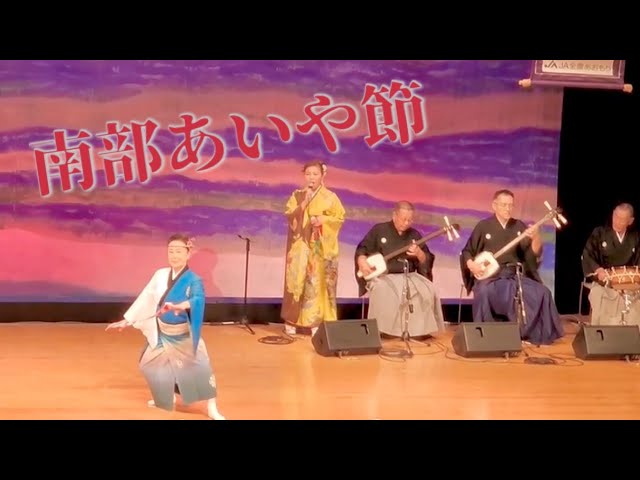
One of the representative folk songs of the southern region of Aomori Prefecture.
In port towns, it has long been a beloved, cheerful song with hand dancing, often heard at drinking gatherings and celebratory banquets.
Its bright, rhythmic melody and the lively call at the very beginning of the song leave a strong impression.
Combined with the sprightly tones of the shamisen, it conjures up a bustling scene of people dancing in a circle.
Through this piece—carefully passed down orally by the people of Aomori—you can get a feel for the cheerful spirit rooted in Aomori’s ports.
Nambu Yosare-bushi
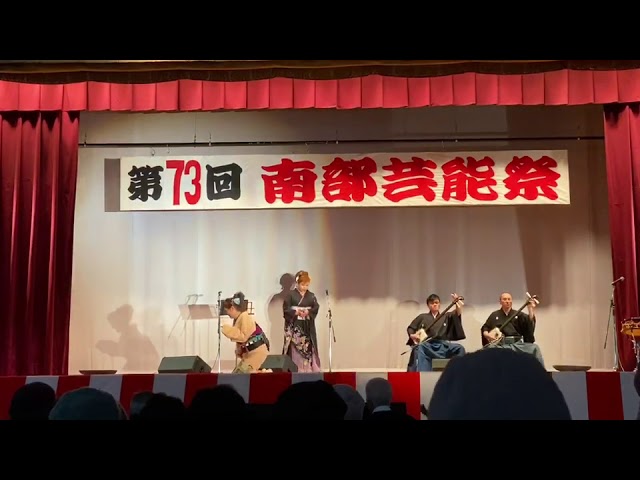
This is a lively zashiki-odori folk song that represents the southern region of Aomori Prefecture.
Counted among the seven great Nanbu folk songs, it features the brisk rhythm of the Tsugaru shamisen and cheerful calls and responses.
Just listening to it makes you feel like your body might start moving on its own.
The word “yosare” also carries a modest nuance like “please refrain,” giving the song a refined air beyond mere liveliness.
You can almost picture women at a banquet gracefully dancing with supple wrist movements.
As you listen to this song, why not let your thoughts wander to those warm moments when people gather together?
Nanbu Niagata-bushi
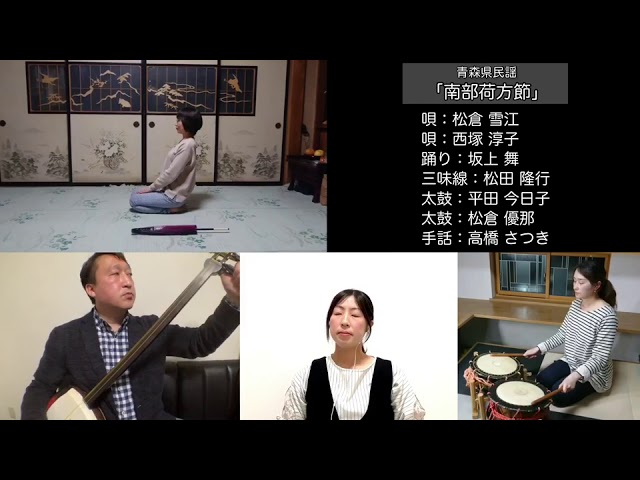
A folk song said to have its origins in Niigata celebratory chants, beloved for its generous, light, and lively melody.
It has been sung as a hymn to the people responsible for the labor of carrying goods.
You can feel the resilience of people who find joy and celebration amid harsh work.
This piece is included on Mitsugu Koyama’s album “Tsugaru Shamisen: Mitsugu Koyama Folk Song Collection, Vol.
1,” as well as on the album “Oku no Yorimichi,” arranged by Yujiro Takahashi and Katsuaki Sawada.
Passed down to the present as the soul of the region, this song is perfect when you want to connect with the celebratory spirit rooted in Aomori’s climate and culture.
Nambu Mochitsuki Song

This dance song, born in the Shimokita region of Aomori Prefecture, is memorable for its rhythmic calls that echo the motions of pounding rice cakes.
Said to have begun as a festive song of hospitality, it vividly conjures the transformation of harsh labor into a shared, joyful energy.
As the shamisen and drums drive the beat, the rhythm gradually heats up, wrapping listeners in an uplifting excitement that makes both heart and body want to move.
This piece was also featured on folk singer Kohei Fukuda’s May 2022 album, “Furusato Dayori.” Why not lend an ear to this vibrant melody—Japanese soul music in its own right?
Nanbu Umakata San-ori
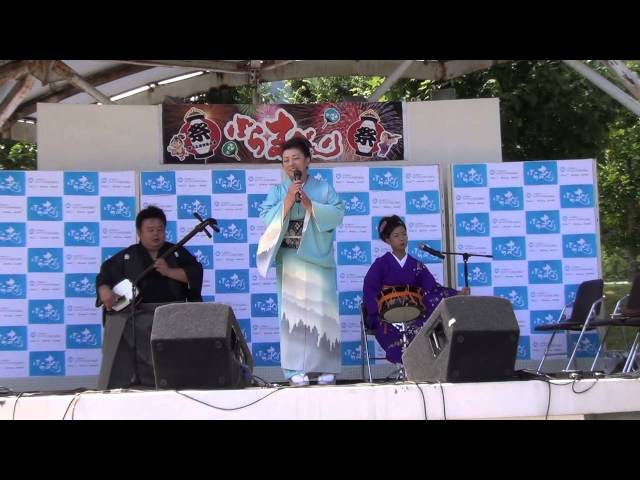
It is a folk song that vividly evokes scenes from travels in the southern Aomori region.
Based on a travelers’ song said to have come from Shinshu, it sets the feelings of a horse-leading traveler to a lively sanbon-downbeat style on the shamisen.
You can sense both the melancholy of crossing misty mountains at dawn and the pride of a land famed for its fine horses.
Loved as accompaniment for hand dances, its light, repetitive melody conjures cheerful images of people forming a circle and dancing together.
When you want to reflect on the majestic nature of the northern country and the lives of its people, give it a listen.
Aomori Folk Songs, Children's Songs, and Nursery Rhymes: Japanese Songs That Resonate in the Heart, Alive in Tsugaru and Hachinohe (21–30)
Moukko
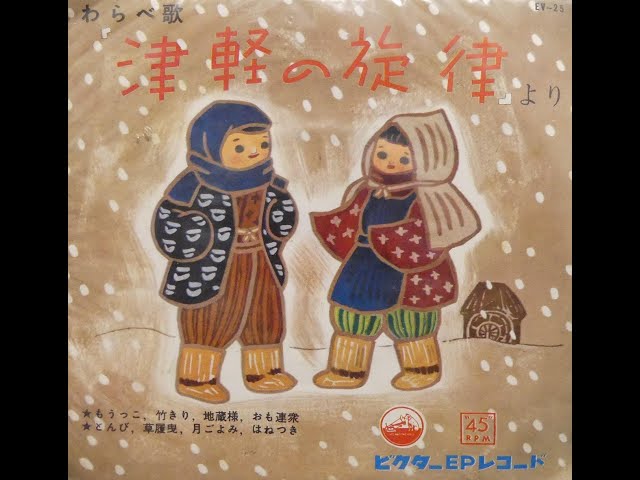
In the nursery rhymes of the Tsugaru region, “moukko” refers to the Mongols.
Much like Akita’s Namahage, it carries the sense of “If you don’t behave, Mongols will come down from the mountain and attack,” so while it’s a kind of lullaby, it feels a bit scary.
Nowadays, because it frightens children, it’s weathering into a gentler version of “Namahage,” but many regional lullabies and children’s songs actually tend to be quite frightening for kids.