

Uplifting songs recommended for men in their 40s

People in their 40s often pour themselves into their work, doing their best every day under a sense of responsibility and pressure.
But if you focus only on work, you’ll end up breaking down.
This time, I’d like to introduce some uplifting songs to help you refresh.
- Songs popular among men in their 40s. Timeless classics that bring back memories.
- Uplifting songs recommended for men in their 50s
- A collection of moving songs recommended for men in their 40s: music that resonates with the heart
- Karaoke songs for men in their 40s: a curated selection of hit tracks women want to hear!
- [2026] A Roundup of J-POP Cheer/Support Songs Recommended for People in Their 40s
- Uplifting songs recommended for women in their 40s
- Even if you’re tone-deaf, it’s okay! Easy karaoke songs for men in their 40s
- [For Women] Attractive Songs That Appeal to Men in Their 40s
- Songs That Attract Women in Their 40s: A Curated Selection of Male-Vocal Tracks That Women Love!
- Nostalgic Songs Perfect as Driving BGM for People in Their 40s
- [Spring Songs Recommended for People in Their 40s] Relive Your Youth! A Selection of Nostalgic Tracks
- Energizing songs recommended for women in their 50s
- For men in their 30s: Nostalgic music. Recommended popular songs
Energizing songs recommended for men in their 40s (41–50)
The rattlesnake is comingTonneruzu

With its cheerful, upbeat sound, this opening theme for the Fuji TV variety show “Tunnels’ Thanks to Everyone” captured the hearts of viewers.
Released by Tunnels in January 1992, the song brilliantly fuses Yasushi Akimoto’s clever wordplay with Tsugutoshi Goto’s lively melody.
At first glance it seems like a simple, fun story, but its lyrics are appealingly dual-layered, allowing for deeper, more adult interpretations.
Reaching No.
1 on the Oricon charts for the first time and selling 1.409 million copies, the song has been loved across borders, with covers in Hong Kong and Taiwan.
It’s the perfect track to liven up parties and gatherings, delivering a joyful moment that gets your body moving.
Bring it on, spring.non

As spring—the season of new beginnings—approaches, Non channels the energy of youth into her music and delivers it straight to your heart.
Like a gentle breeze, this encounter will blow in the courage you need to take a fresh step forward.
Born from a collaboration with Kei Higuchi, this work brims with a powerful message that captures the radiance of youth and breaks through the stifling feel of everyday life.
Since its release in January 2025, it has earned acclaim in live performances and become a fan favorite.
Following the album “PURSUE,” Non’s expressive power shines even brighter, marking a new stage in her evolution.
It’s a heartfelt cheer song I strongly recommend to anyone stepping into a new chapter of life or looking to take that first step toward tomorrow.
Bridge of Gloryyuzu

This moving, hope-filled ballad stirred hearts as the official NHK theme song for the 2004 Athens Olympics.
Singing of the unseen efforts and the path walked while facing forward, it powerfully encourages us to keep moving toward the future.
Yuzu’s acoustic tones and warm vocals resonate deeply with listeners.
Together with the iconic commentary from the men’s gymnastics team’s first gold medal in 28 years, it has been etched into the memories of many.
It’s a song that can bring people together across generations—perfect for livening up gatherings with friends or family, meals, and parties.
Like tonight’s moonElefanto Kashimashi
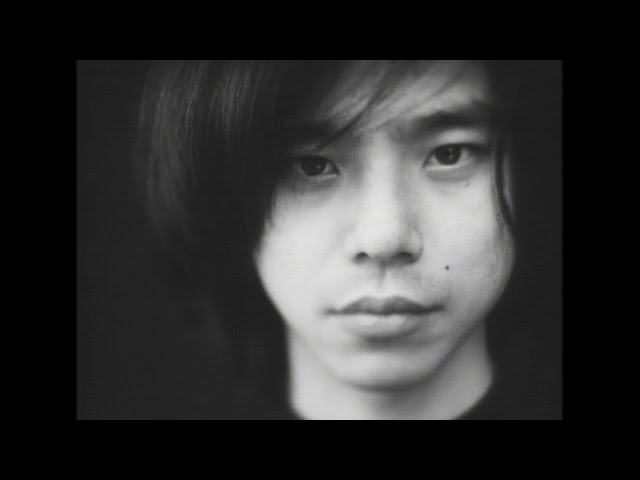
It’s a deeply moving masterpiece that powerfully sings of passion for the future while gazing into everyday feelings of emptiness and loneliness.
Set against the backdrop of a city at dusk, it portrays the solitude and struggles of people living in an urban landscape, yet conveys a strong will to keep looking forward and moving on.
The soulful vocals unique to Elephant Kashimashi and the melody that resonates with the heart are beautifully in harmony.
Released in July 1997, the song was used as the theme for the Fuji TV drama “Because the Moon Shines at Night,” and was also included on the album “Run Toward Tomorrow – Moonlit Songs.” In 2017, it was performed in the band’s first appearance on the NHK Kōhaku Uta Gassen, winning over even more listeners.
It’s a track that will evoke deep empathy when you feel lost in life or spend a night thinking of someone dear.
Take back the love!!kurisutaru kingu

A music band formed in 1971.
The opening theme of the anime Fist of the North Star.
It’s a remarkable number featuring dynamic twin-vocal harmonies with wide pitch range, sung over a powerful, uptempo rhythm and an aggressive yet slightly mellow melody.
Sakura, flutterSazan Ōrusutāzu

A heartwarming message song by Southern All Stars that portrays a gentle light of hope, themed around cherry blossoms shining in the spring sunshine.
Through the fleeting yet beautiful cherry blossoms, it tenderly sings of loss, rebirth, and wishes for the future.
The melody is as light as a spring breeze, filled with a warmth that seems to stay close to the listener’s heart.
Released digitally on January 1, 2025, this work was unveiled as the lead single from the album “THANK YOU SO MUCH.” The gently flowing acoustic guitar and soft synthesizer tones create a pleasant atmosphere that evokes the arrival of spring.
Whether you need a moment to breathe in the midst of busy days or are about to take a new step forward, it will surely become a source of comfort for your heart.
WON’T BE LONGBaburugamu Burazāzu

A track marked by an irresistibly catchy, upbeat groove and a festival-like, uplifting rhythm.
Inspired by the Awa Odori dance, its forward-looking message—filled with a powerful resolve to give your all for someone—really strikes a chord.
It features the Bubblegum Brothers’ signature breezy sound and approachable lyrics.
Released in August 1990, it initially drew little attention, but after being broadcast on a TV program in March 1991, it exploded in popularity and became a million-seller.
In 2006, it was also covered by EXILE and Kumi Koda.
It’s an encouraging anthem that gives energy and courage—especially recommended for those worn out by work or daily life.
It’s also perfect for livening up a karaoke session with friends.