

Songs popular among men in their 40s. Timeless classics that bring back memories.


As a man in your 40s, what kind of music do you usually listen to?
Of course, you probably hear a lot of the latest hits, but chances are you still love the songs that were with you during your youth.
In fact, when it comes to songs popular among men in their 40s today, many of them are tracks that made waves around the 1990s.
In this article, we’ll introduce a generous selection of Japanese songs—focusing on hits from that era—that are especially recommended for men in their 40s.
They’re full of classics perfect for karaoke or for listening to in the car, so definitely give them a listen.
They might just bring back memories from those days.
- [2026 Edition] Youth Anthems for Your 40s! A Roundup of Popular Heart-Pounding × Heartwarming Songs
- [For men in their 40s] That nostalgic song you can enjoy at karaoke!
- [For Women] Attractive Songs That Appeal to Men in Their 40s
- Karaoke songs for men in their 40s: a curated selection of hit tracks women want to hear!
- Uplifting songs recommended for men in their 40s
- [For Men in Their 40s] Easy-to-Sing Karaoke Songs and Guaranteed Crowd-Pleasers
- [40s] Karaoke Crowd-Pleasers Ranking [2026]
- Recommended love songs for men in their 40s: classic and popular Japanese tracks.
- [40s] Popular Songs Ranking by Generation [2026]
- Ranking of Popular Japanese Music and J-POP Artists Among People in Their 40s [2026]
- [For People in Their 40s] Karaoke Songs That Are Easy to Sing: 2026 Ranking
- Tear-jerking songs recommended for women in their 40s: classic and popular Japanese tracks
- Nostalgic Songs Perfect as Driving BGM for People in Their 40s
Songs popular among men in their 40s: timeless classics that bring back memories (111–120)
ForeverGosuperāzu
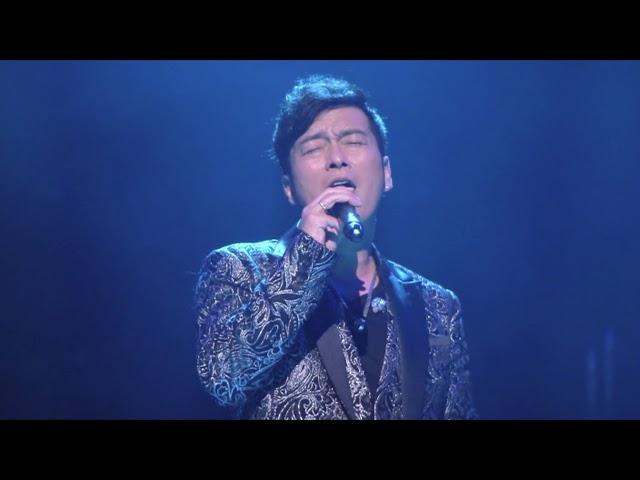
This celebrated song, which sings of an eternal bond with a loved one, gently conveys the unbreakable feelings that exist precisely because love is formless.
Transcending physical distance, the unwavering longing for the other person resonates in the heart alongside beautiful harmonies.
Released in August 2000, the track stayed on the Oricon chart for an impressive 44 weeks and was selected as the opening theme for TV Tokyo’s JAPAN COUNTDOWN.
Its diverse arrangements—hallmarks of The Gospellers—are part of its appeal, including the Album Version on the album “Soul Serenade” and the “unplugged live version” included on the single “Hitori.” It remains a beloved song that makes you want to sing while thinking of someone special, especially after time spent talking with friends.
Popular songs among men in their 40s: Classic tracks that bring back memories (121–130)
cherrysupittsu

With its melodious sound and lyrical lyrics, this masterpiece gently stays close to the heart.
While looking back on the days of a bygone youth, the protagonist’s resolve to keep moving forward carries a warmth that invites everyone’s empathy.
Released in April 1996 and reaching No.
1 on the Oricon charts, the song was also included on the album “Indigo Chiheisen,” and has been featured in NTT East’s TV commercials since 2019.
This piece is perfect for moments when you want to take a new step forward while cherishing memories with someone special, or when you feel like linking arms with friends and singing together—any time you need a boost of positivity.
A Tearful RequestChekkāzu

This song is a masterpiece that poignantly captures a man’s heartbreak and lingering feelings as he sends a request to a late-night radio show, expressing both sorrow and sincerity with remarkable nuance.
While influenced by American oldies, its pop sound beautifully blends that style with the charm of Japanese kayōkyoku, creating a resonance that speaks to the heart.
Released in January 1984, it became one of The Checkers’ signature hits, achieving great success and placing fourth on Oricon’s year-end chart.
Featured in the morning dramas Futari Ko and Amachan, the song portrays a young person trying to soothe the pain of a broken heart through a cherished tune, remaining beloved as a piece that stays with listeners alongside nostalgic memories.
It’s a recommended track for when you want to look back on a past romance or deepen your feelings for someone special.
Beard and Boobsyunikōn

One of Unicorn’s signature works, this song humorously portrays the wavering emotions caught between a salaryman’s job and his love life.
Tamio Okuda’s lyrical world shines as he deftly weaves in modern workplace relationships, from a young company president to the woman at the neighboring desk.
Released in October 1991, the track features an arrangement inspired by the grand sound of Electric Light Orchestra, with a striking use of synthesizers.
As the closing song on the album “Hige to Boin,” it brilliantly conveys the complex feelings of a man who can’t give up on love even while being overwhelmed by work.
It’s a perfect pick for livening up after-work karaoke with colleagues.
Stars on EarthNakajima Miyuki

This song is imbued with a warm gaze and deep respect for people who usually remain out of the spotlight.
Miyuki Nakajima portrays those who strive to live in places where no one looks, using beautiful metaphors.
It is an ode to unsung heroes who keep making efforts in various places, shining like stars in everyday life.
Released in July 2000, the piece was chosen as the theme song for NHK’s documentary program Project X: Challengers, and together with the program’s moving content, it deeply resonated with many viewers.
It set a record by staying on Oricon’s Weekly Singles Chart for 174 consecutive weeks.
It is a song that gives you a powerful push forward in those moments when the pressures of daily life make you want to stop.
I’m only gazing at you.Daikoku Maki

This song poignantly portrays a woman’s bittersweet feelings as she changes herself for love.
Her determination and inner conflict to be reborn for her lover are depicted in contrast to the upbeat melody.
Maki Ohguro’s powerful vocals vividly express the protagonist’s pain and wavering emotions.
Released in December 1993, it was chosen as the ending theme for the anime SLAM DUNK.
Within about three months of its release, it became a million seller and has been included on multiple albums, such as “Toward the Eternal Dream” and “BACK BEATs #1.” It’s a song I especially recommend to those who can relate to the struggle between staying true to oneself and being in love.
Its heartrending melody and down-to-earth lyrics gently embrace the complex emotions of romance.
For loveOkuda Tamio

Since debuting as UNICORN in 1987, Tamio Okuda has maintained a unique position throughout his long career, continuing to exert a tremendous influence on subsequent artists.
For many people now in their 40s who spent their youth in the 1990s, it’s likely that Okuda’s songs from around his solo debut—rather than his work with Unicorn—were the soundtrack of their adolescence.
Okuda’s milestone solo debut single, “Ai no Tame ni,” was released in 1994 and became one of his signature tracks, achieving million-seller status.
While it’s hard to capture the nuanced atmosphere that Okuda himself brings, the melody has a relatively narrow range and gentle interval leaps, making it genuinely easy to sing.
If you’re aiming for a high score at karaoke, definitely consider adding it to your repertoire.
