

A quiz of interesting obscure kanji: characters that look easy but are hard to read

We’d like to introduce a quiz on difficult-to-read kanji that, despite looking like simple combinations of characters, have tricky readings.
Sometimes the meanings each character carries can lead you to the answer, so the key is how far you can expand your imagination from the kanji.
It also helps you understand the words themselves—such as what kind of history the answer has followed and which aspects were emphasized when the kanji were assigned.
This is a challenge that tests not only broad knowledge of kanji, but also the imaginative skill to arrive at the word from the meanings of the characters.
- [Interesting] Summary of Kanji Reading Quiz Questions
- The world’s toughest! A collection of insanely hard-to-read kanji
- [For Elementary School Students] Country Names in Kanji Quiz. A quick, fun quiz
- [Hard-to-Read Quiz] Single-character difficult kanji — including surprisingly simple ones!
- How many can you read? A quiz on difficult kanji for foods
- A quiz on how to read obscure kanji: words that become difficult when written in kanji.
- [Satisfying When Solved] Challenging Quizzes Recommended for Elementary School Students!
- Obscure fish kanji. Can you read them?
- What animal is this kanji? A quiz on difficult animal kanji.
- [For Seniors] Challenging but Exciting! Kanji Quiz
- One-character difficult kanji quiz: a multiple-choice (3 options) game to learn the readings of challenging kanji
- Can You Read These? Quiz on Kanji with Many Strokes
- [For Seniors] Fun and Exciting! Difficult Kanji Quiz
Quiz of interesting obscure kanji: seemingly easy but hard-to-read characters (1–10)
abacus
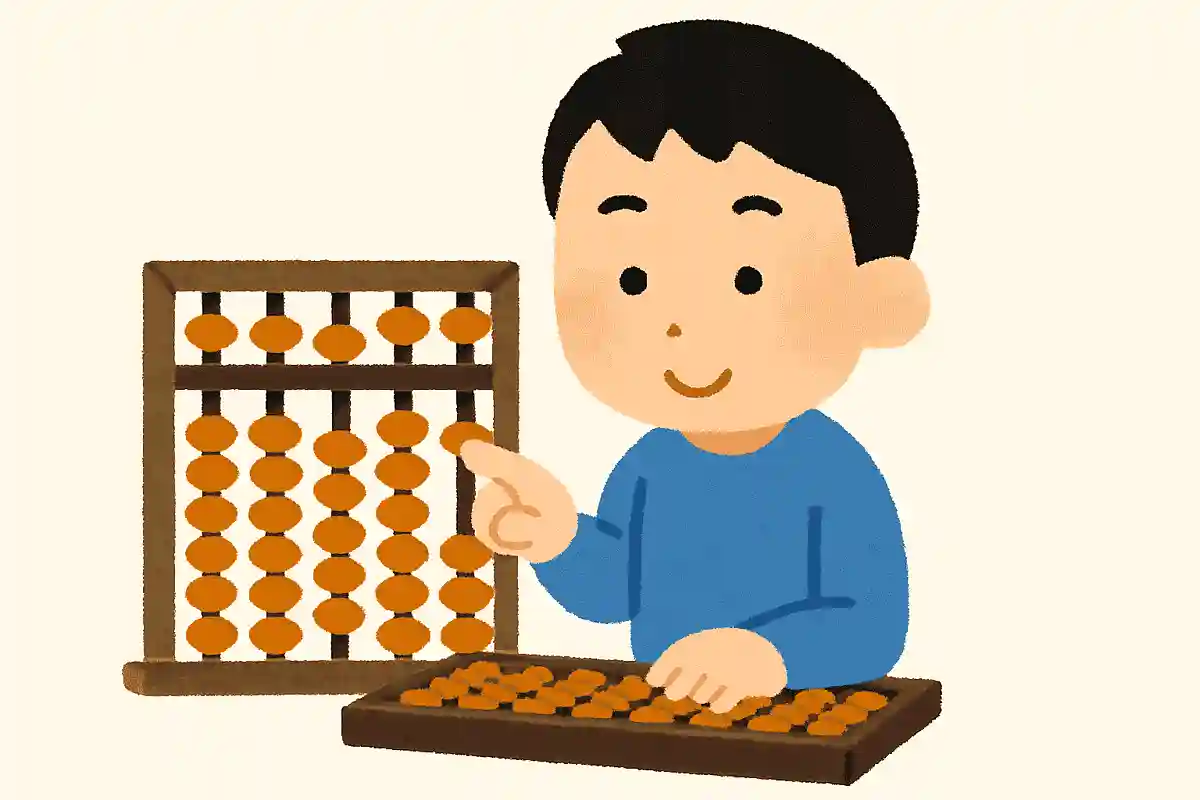
- third
- abacus
- sampan
See the answer
abacus
The correct reading of the kanji 算盤 is “soroban.” It is a tool for calculating numbers, specifically a traditional device once used for commercial calculations. It is also sometimes used in math education, and if you think of it as a board-shaped tool used for arithmetic, the answer might come to you more easily.

Hani-i
- wimp
- tsuchikoguchi
- honey only
See the answer
wimp
The correct answer is “henachoko.” In this quiz, you are asked to read a word formed from the kanji ‘埴’ and ‘猪口.’ In this context, ‘埴’ is a rarely used character meaning clay-like soil, and ‘猪口’ refers to a small sake cup. Combined as ‘埴猪口,’ the term has come to be read in a distinctive way as ‘henachoko,’ meaning someone lacking strength or skill. It describes a person who is feeble, unreliable, or lacking perseverance.
burdock (root)
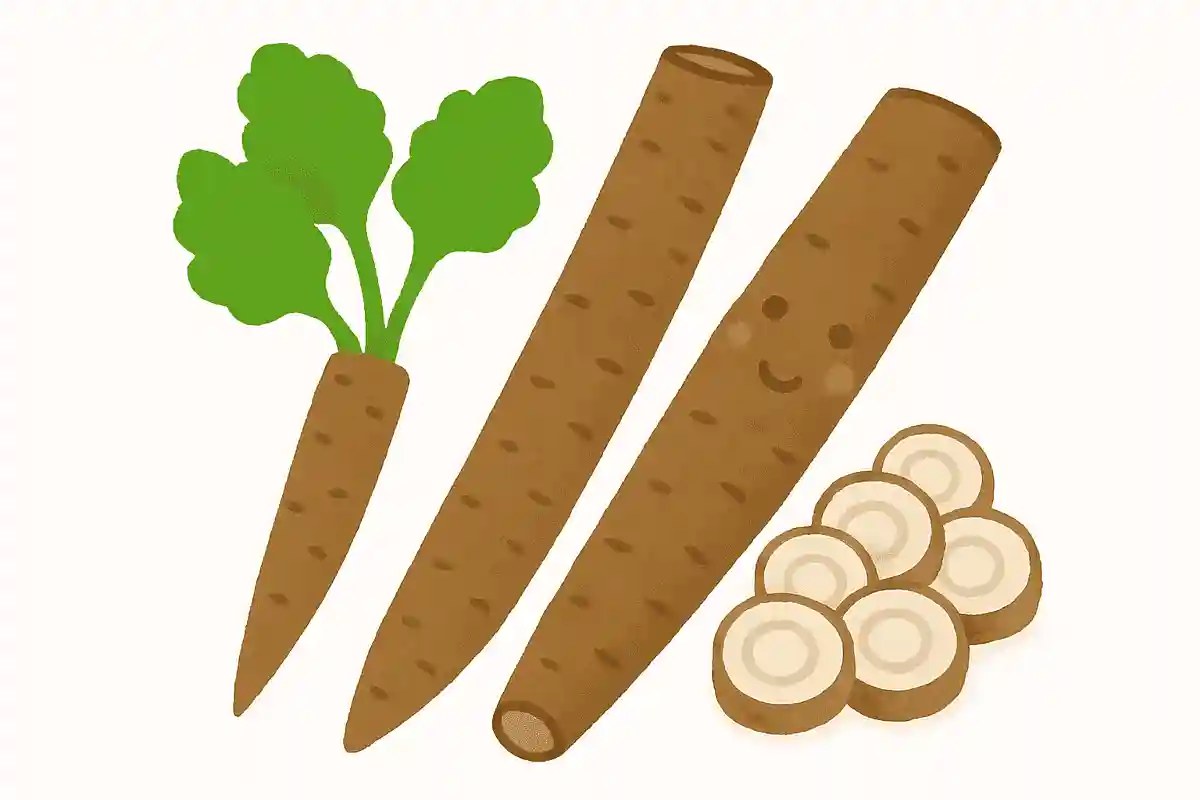
- ushikusa
- burdock (root)
- carrot
See the answer
burdock (root)
The correct reading of the difficult kanji 牛蒡 is “gobō.” Although the characters may look unfamiliar, they refer to a commonly used vegetable in everyday life. In the Edo period, it was also valued for medicinal use, but today it is often used in a variety of dishes. It is rich in dietary fiber and is considered good for health.
A quiz on interesting obscure kanji: characters that look easy but are hard to read (11–20)
agura (cross-legged sitting posture); sitting cross-legged

- Kosua
- cross-legged (sitting position)
- crouching
See the answer
cross-legged (sitting position)
“Agura” (written with the characters for “胡座”) refers to a relaxed sitting posture with legs crossed. Its exact origin is unclear, but the character “胡” can mean “foreign” or “uncivilized,” and “座” means “to sit.” Taken literally, it implies a foreign way of sitting, yet in practice it has long been a common sitting posture in Japan.
horsetail (field horsetail; tsukushi)
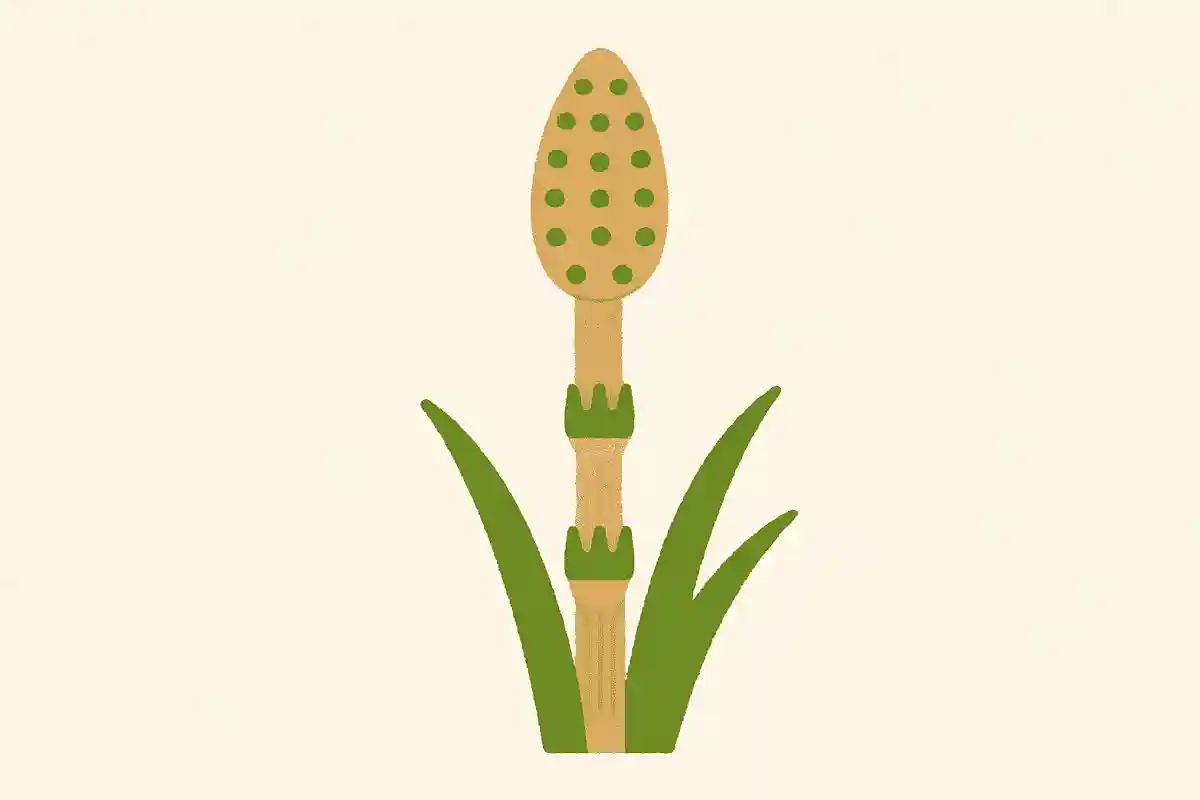
- tobitsu
- horsetail
- Dobitsu
See the answer
horsetail
Tsukushi (lit. “earth brush”) refers to horsetail shoots, one of the plants that herald the arrival of spring, and like fukinoto (butterbur sprouts), they are sometimes eaten. Their straight, upward growth from the soil is striking; if you imagine the individual kanji—“earth” and “brush”—it’s easy to picture them as brush-like shapes sprouting from the ground.
red panda
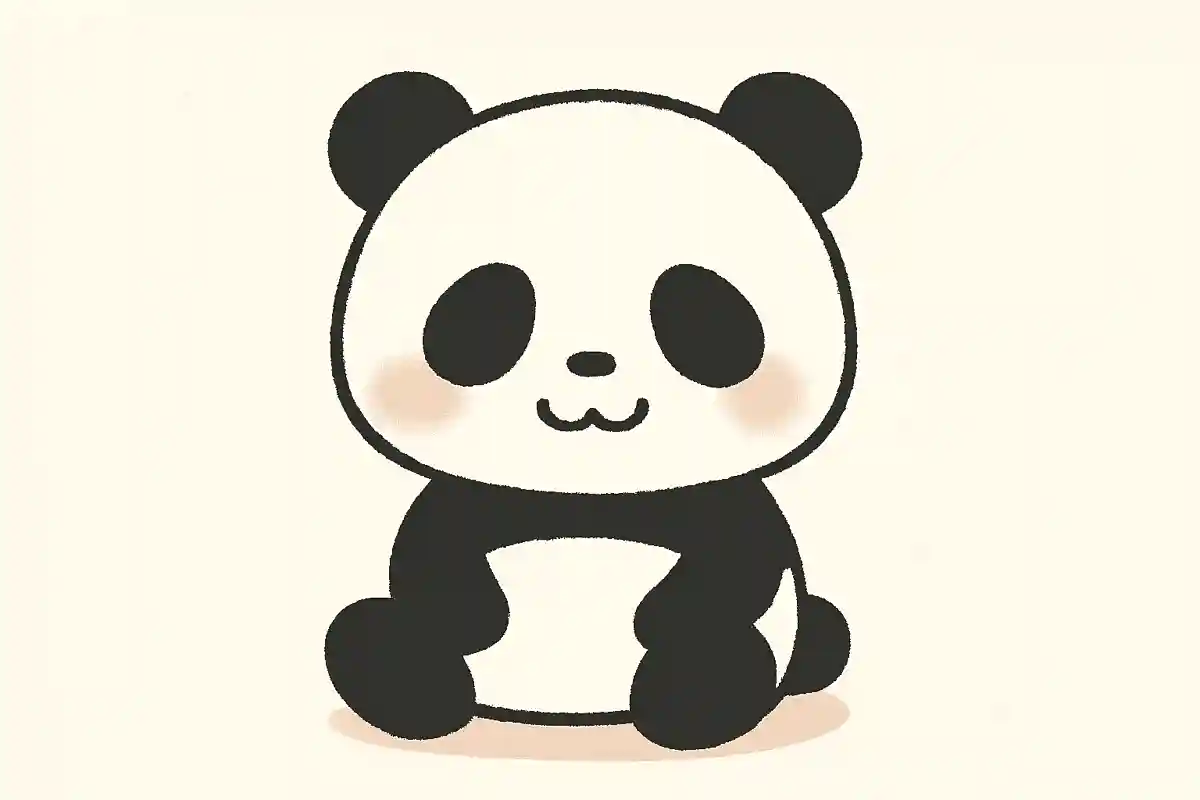
- Koguma Neko
- red panda
- meerkat
See the answer
red panda
The correct reading of 「小熊猫」 is “lesser panda,” an animal beloved by many for its adorable appearance. The term originates from the fact that pandas are written as 「熊猫」 in Chinese, and from there the lesser panda came to be written as 「小熊猫」, meaning “small panda.”
wood ear mushroom
- Table of Contents
- wood ear mushroom
- kimimi
See the answer
wood ear mushroom
The correct reading of 木耳 is “kikurage.” Kikurage is an edible mushroom that grows on plants of the Asteraceae family, and it is a black, gelatinous fungus. It is especially common in Chinese cuisine and is known for its uniquely springy, crunchy texture. In Japan, it is often sold dried and is used after being rehydrated in water.