

A quiz of interesting obscure kanji: characters that look easy but are hard to read

We’d like to introduce a quiz on difficult-to-read kanji that, despite looking like simple combinations of characters, have tricky readings.
Sometimes the meanings each character carries can lead you to the answer, so the key is how far you can expand your imagination from the kanji.
It also helps you understand the words themselves—such as what kind of history the answer has followed and which aspects were emphasized when the kanji were assigned.
This is a challenge that tests not only broad knowledge of kanji, but also the imaginative skill to arrive at the word from the meanings of the characters.
- [Interesting] Summary of Kanji Reading Quiz Questions
- The world’s toughest! A collection of insanely hard-to-read kanji
- [For Elementary School Students] Country Names in Kanji Quiz. A quick, fun quiz
- [Hard-to-Read Quiz] Single-character difficult kanji — including surprisingly simple ones!
- How many can you read? A quiz on difficult kanji for foods
- A quiz on how to read obscure kanji: words that become difficult when written in kanji.
- [Satisfying When Solved] Challenging Quizzes Recommended for Elementary School Students!
- Obscure fish kanji. Can you read them?
- What animal is this kanji? A quiz on difficult animal kanji.
- [For Seniors] Challenging but Exciting! Kanji Quiz
- One-character difficult kanji quiz: a multiple-choice (3 options) game to learn the readings of challenging kanji
- Can You Read These? Quiz on Kanji with Many Strokes
- [For Seniors] Fun and Exciting! Difficult Kanji Quiz
A quiz on interesting obscure kanji: characters that look easy but are hard to read (11–20)
solar plexus
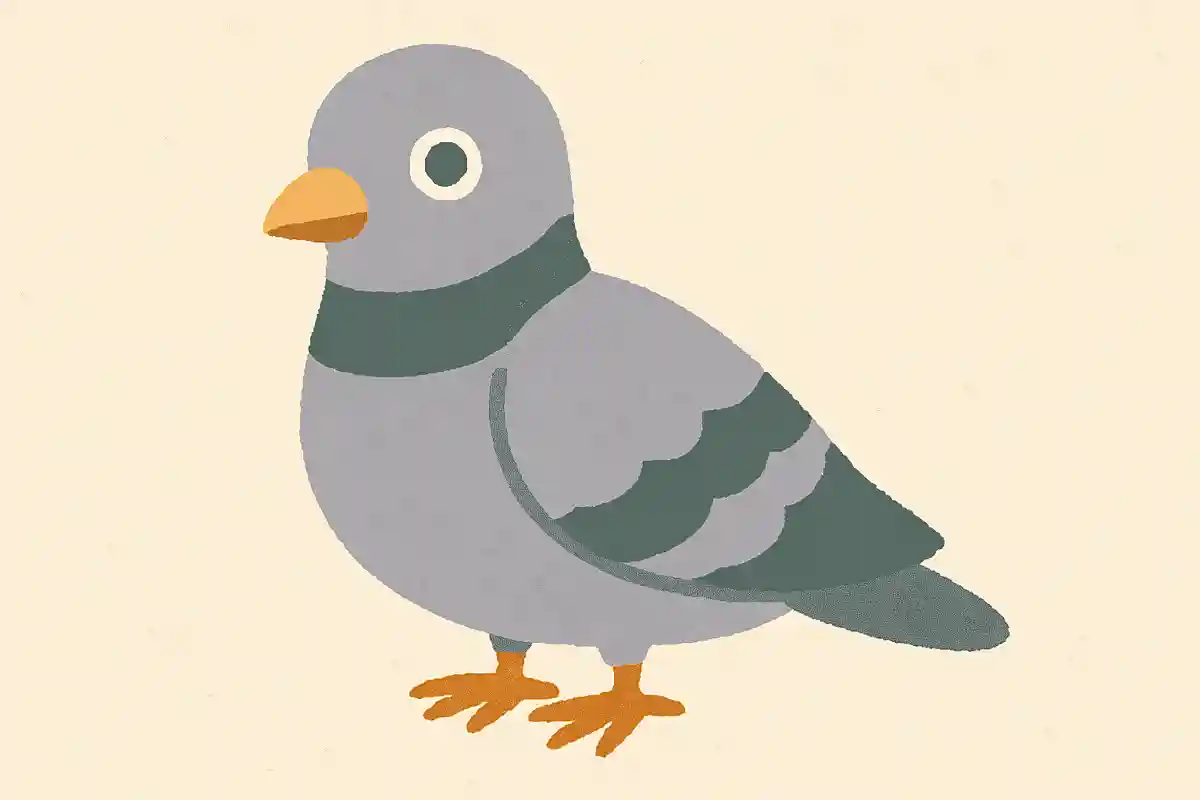
- pigeon and o
- nine-tailed fox
- pit of the stomach
See the answer
pit of the stomach
“Hagoromo” (mizo-ochi) refers to the hollow just below the sternum where the two ribs meet. In Japan, this is the common term used for that area. Literally, the kanji mean “pigeon’s tail,” which has no real connection to the body part—another reason this word can be tricky.

In conclusion
I introduced a quiz on difficult-to-read kanji that is simple yet deep. Once you hear the answers, you’ll probably realize they’re all familiar words that we usually imagine being written in hiragana or katakana. Instead of combining the individual readings of each character, these are read as a set with a special pronunciation, so the key is to think from the meaning of each kanji and expand your image from there. If you also look into how these words came to be written with these kanji, it will help you understand the kind of history they have in Japan.