



We’d like to introduce a quiz on difficult-to-read kanji that, despite looking like simple combinations of characters, have tricky readings.
Sometimes the meanings each character carries can lead you to the answer, so the key is how far you can expand your imagination from the kanji.
It also helps you understand the words themselves—such as what kind of history the answer has followed and which aspects were emphasized when the kanji were assigned.
This is a challenge that tests not only broad knowledge of kanji, but also the imaginative skill to arrive at the word from the meanings of the characters.
- [Interesting] Summary of Kanji Reading Quiz Questions
- The world’s toughest! A collection of insanely hard-to-read kanji
- [For Elementary School Students] Country Names in Kanji Quiz. A quick, fun quiz
- [Hard-to-Read Quiz] Single-character difficult kanji — including surprisingly simple ones!
- How many can you read? A quiz on difficult kanji for foods
- A quiz on how to read obscure kanji: words that become difficult when written in kanji.
- [Satisfying When Solved] Challenging Quizzes Recommended for Elementary School Students!
- Obscure fish kanji. Can you read them?
- What animal is this kanji? A quiz on difficult animal kanji.
- [For Seniors] Challenging but Exciting! Kanji Quiz
- One-character difficult kanji quiz: a multiple-choice (3 options) game to learn the readings of challenging kanji
- Can You Read These? Quiz on Kanji with Many Strokes
- [For Seniors] Fun and Exciting! Difficult Kanji Quiz
Quiz of interesting obscure kanji: seemingly easy but hard-to-read characters (1–10)
tawashi (scouring brush)

- entrust; consign; leave (something) to (someone)
- そくす
- scrubbing brush
See the answer
scrubbing brush
“束子” is read as “tawashi.” It’s a common household kitchen item, primarily used as a cleaning tool for washing dishes and pots. Rather than following the intuitive on-yomi or kun-yomi readings, it has a fixed reading as a specific noun. Therefore, while it’s easy for those who know it, it’s one of those kanji that can be quite hard to read if you don’t.

fish cake

- Gamahoko
- fish cake
- Shinjo
See the answer
fish cake
“Kamaboko” is a Japanese food made by grinding fish into a paste, shaping it onto a stick or wooden board, and then grilling or steaming it. The name comes from its surface resembling the leaves of the cattail plant. Its appearance can be striking, so you might be surprised that it’s read as “kamaboko,” but in fact it’s a familiar ingredient in Japanese households.
dozing off

- korone
- Tenshin
- catnap
See the answer
catnap
The correct reading of the obscure kanji 転寝 is utatane. It means taking a short nap and is a word used in everyday life. Although the kanji may look simple, it’s actually an example where the reading is unexpectedly difficult. Taken literally, it suggests “to roll over and sleep,” which makes it easy to mistakenly read it as korone, but utatane is the correct reading.
as expected
- erosion
- As expected
- flowstone
See the answer
As expected
This kanji is read as “sasuga.” Although it’s a word you often see, when it’s written in kanji it can be confusing to read. It’s used to express admiration or evaluation of various situations or someone’s actions, and is often used with the nuance of “just like them” or “as expected of them.”
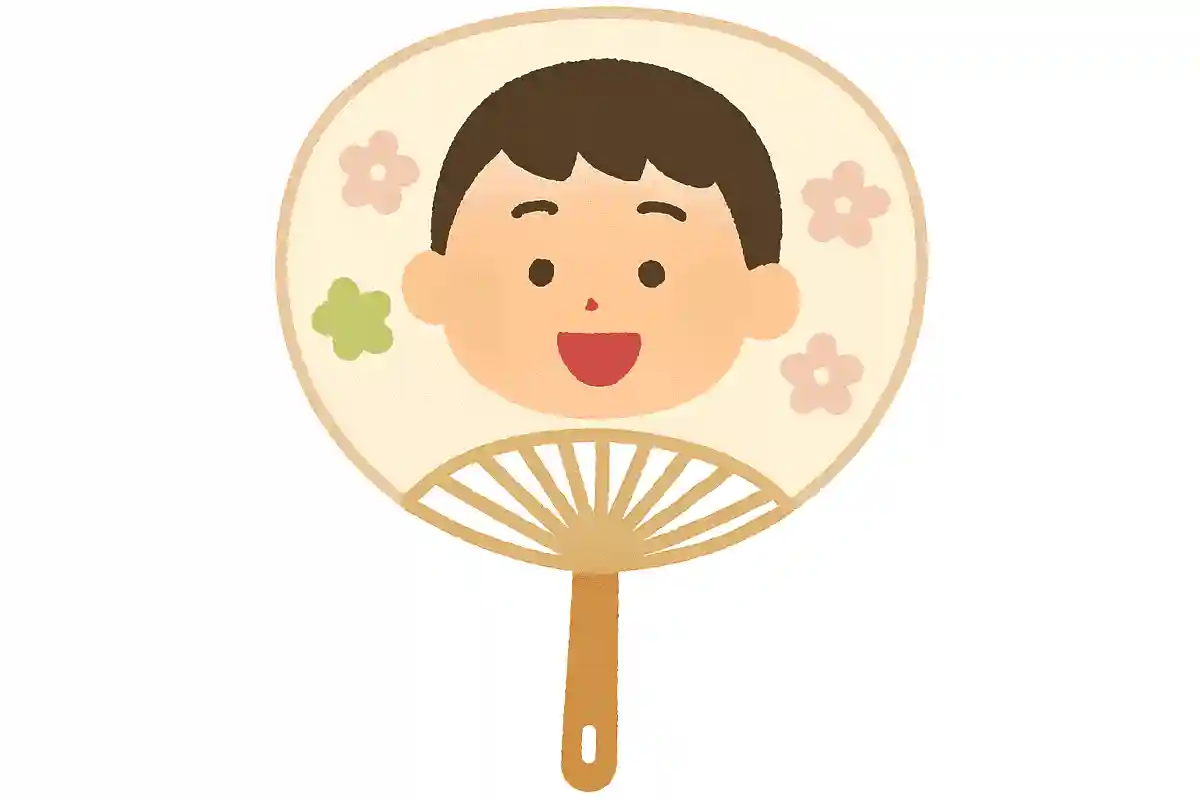
fan (Japanese handheld fan, uchiwa)
- short circuit
- uchiwa (Japanese hand fan)
- Tonsen
See the answer
uchiwa (Japanese hand fan)
The correct reading of 「団扇」 is “uchiwa.” It’s a tool that has long been used to keep cool. Although the kanji look simple, it’s actually one of those hard-to-read characters whose pronunciation isn’t widely known. The word combines the kanji 「団」, which means “round” in Chinese, and 「扇」, which depicts the generation of wind.
stormy seas

- stormy weather
- everlasting
- direct
See the answer
stormy weather
The kanji “時化” is often used to describe stormy weather or rough seas, and is read as “shike.” This term is frequently used by sailors and fishermen to express weather and sea conditions, and is also one of the less commonly heard, hard-to-read kanji in everyday life.
hydrangea

- hues
- hydrangea
- Shoko
See the answer
hydrangea
The correct reading of 紫陽花 is “ajisai.” Each character is simple, but it’s a word that’s hard to read unless you know the combination, so it’s recommended to think about the colors and shapes the characters evoke. This flower is often seen during Japan’s rainy season and is known for its vividly colored blossoms.