

It never hurts to know! General knowledge quiz


Even when we say “general knowledge,” there are many different kinds of “common sense,” aren’t there? This article is a collection of quiz questions focused on society, history, and geography—general knowledge that might be useful for your future.
Some of it may not be essential for everyday life, but it never hurts to know! We’ll introduce topics about Japan and the world in a quiz format, with explanations along the way.
How many can you get right? These are all the kinds of things you’ll want to share once you learn them—the sort that make you ask, “Did you know this?”—so feel free to use them as conversation starters!
- True-or-false quiz for adults: a full roundup from common-sense questions to surprising trivia!
- [Interesting] Compilation of Trivia Quiz Questions
- [Challenge] Stimulate your intellectual curiosity with a general knowledge quiz you might not know!
- General knowledge quiz time! From trivia to questions about Japan and the world
- [Battle of Wits] Stimulate your intellectual curiosity! Quiz questions that get adults excited
- [Killing Time] A Collection of Fun Trivia Quizzes You'll Want to Share with Someone
- [General] Surprisingly unknown? Test your geography skills with a three-choice quiz on Japan’s prefectures
- Surprisingly unknown? Trivia Quiz [Multiple Choice: 3 Options]
- [History Quiz] General History Questions You Should Know
- Aim for a perfect score! A three-choice common knowledge quiz that deepens your understanding
- A collection of challenging quizzes for adults [Difficult]
- Quiz for high school students
- [For Seniors] Surprisingly Unknown! General Knowledge Quiz
Food and Cooking Common Sense Quiz (1–10)
How many milliliters are in one tablespoon?

See the answer
15ml
One tablespoon is 15 ml. It’s used as a standard for accurately measuring liquids and powders when cooking. By the way, a teaspoon is 5 ml, which is one third the size of a tablespoon.

What are the little bits on a strawberry?

See the answer
fruit
The tiny specks on the surface of a strawberry may look like seeds at first glance, but they are actually the fruit. The red part is called the receptacle, which supports these fruits. By the way, strawberries that are red all over and have these specks turned red as well are said to be delicious.

Common-sense Quiz on Food and Cooking (11–20)
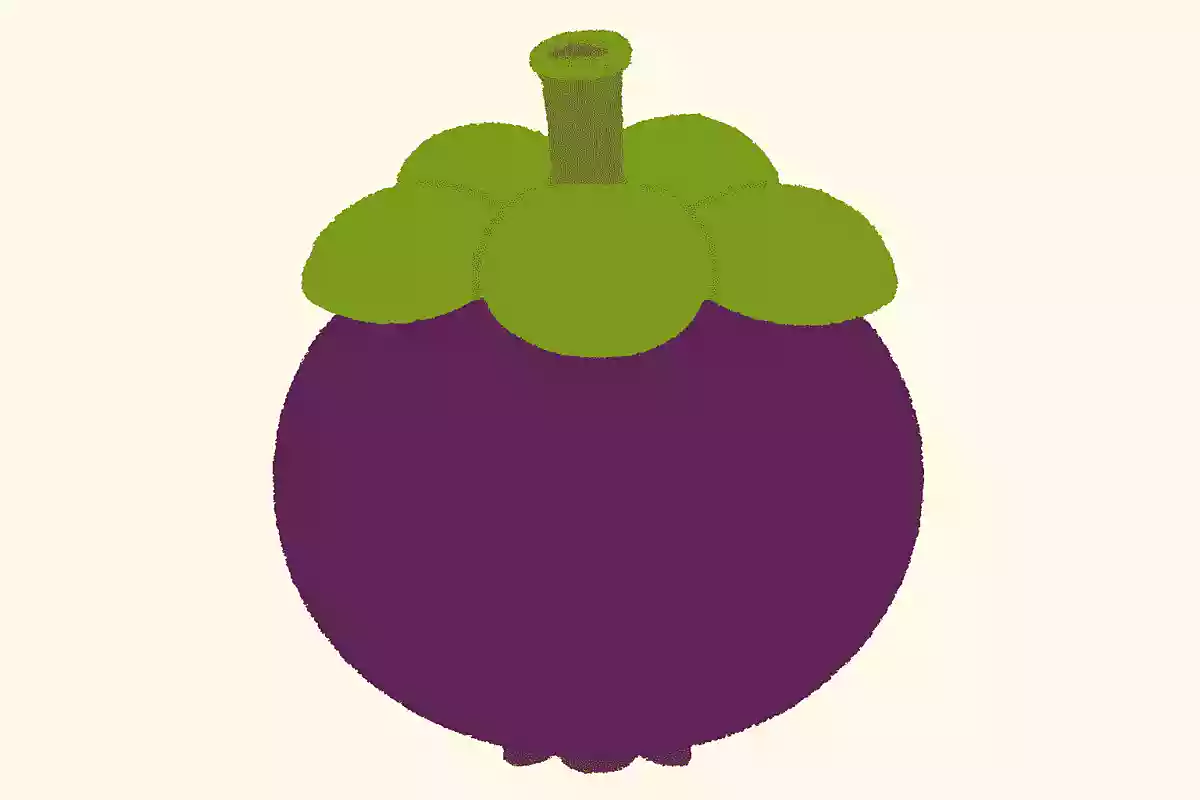
Which fruit is called the queen of fruits?
See the answer
mangosteen
While durian is called the king of fruits, mangosteen is known as the queen of fruits for its delicious flavor and high nutritional value. Mainly produced in Southeast Asia, it is loved by many for its rich aroma and sweet-and-tart taste.
What does “salad flavor,” which you often see on snacks, actually mean?

See the answer
The “salad” in “salad oil”
It’s said that “salad flavor” refers to something tossed with vegetable oil and seasoned with salt. Since it evokes vegetables, it’s unexpectedly different if you don’t know the origin. There’s also a theory that the word changed from “salt” to “salad.”

When using the arranged knives and forks, is it correct to start from the inside or the outside?

See the answer
from the outside
In Western dining etiquette, you generally use the knife and fork from the outside in. This ensures that as you move from the appetizer to the main course, you naturally select the appropriate cutlery.
What is the official name of shokupan (Japanese white bread)?

See the answer
staple bread
In Japan, bread is categorized into several types based on its intended use. Among them, the formal name for the loaf bread commonly eaten as a staple at the daily table is “shushokuyō pan” (bread for staple use). This refers to the square-shaped loaves typically found in supermarkets and bakeries, which are frequently used for breakfast and lunch.
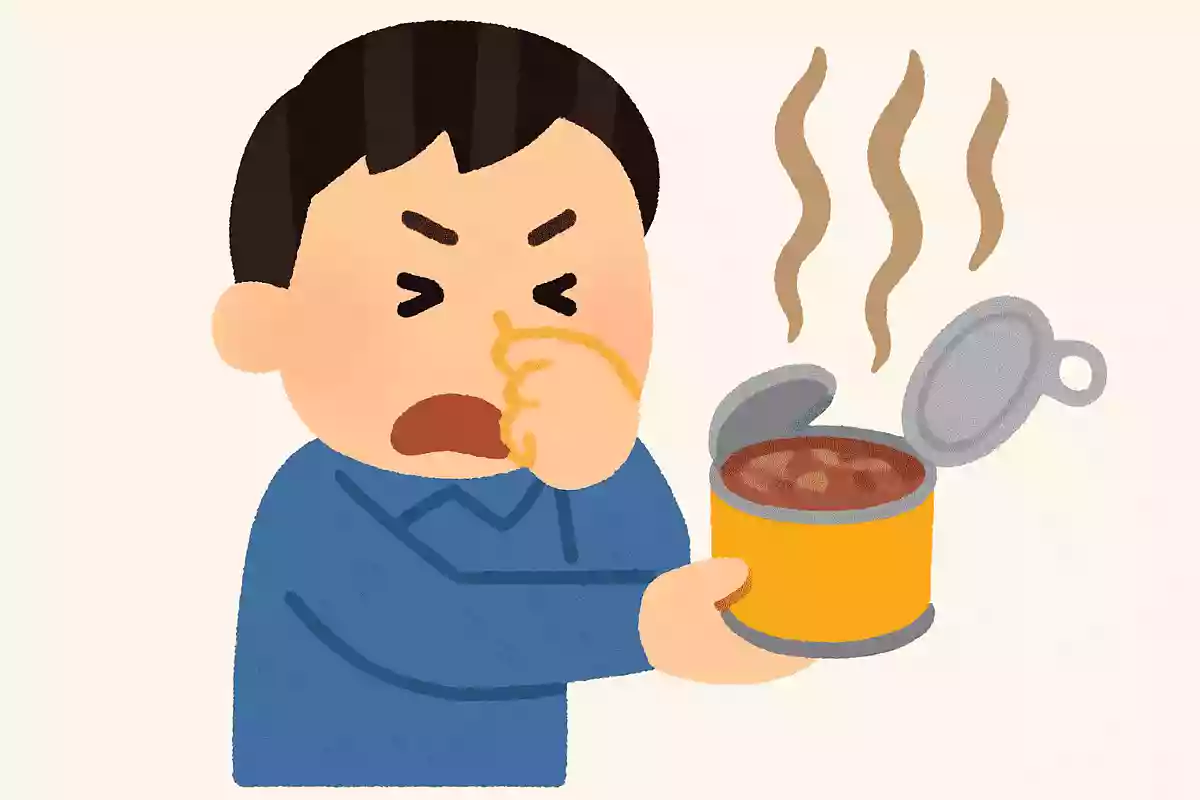
What is the name of the canned food, often featured on variety shows, that is said to be the smelliest ingredient in the world?
See the answer
Surströmming
Surströmming is a traditional Swedish canned fermented herring that emits a very strong odor. Commonly eaten around the Midsummer festival, this food is recommended to be opened outdoors due to its smell—often described as resembling rot.