

Games that liven up group homes. Fun recreational activities.
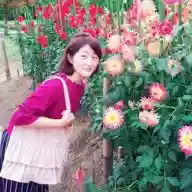
Group homes are senior care facilities with the charm of a warm, homelike atmosphere where residents can feel as if they’re at home.
Recreation is an essential part of everyday life in such settings.
Since most residents are older adults living with dementia, you’ll want to offer activities that help stimulate both mind and body.
For those seniors, how about trying “games and recreational activities that liven up the group home”?
This article introduces recreational ideas that are useful in the daily lives of older adults.
Care workers, please use this article as a reference.
- [For Seniors] Simple Recreational Activities You Can Enjoy While Seated
- [For Seniors] Simple Tabletop Games: Fun and Engaging Recreational Activities
- [For Seniors] Easy and fun seated activities you can do in your room
- [For Seniors] Fun Recreational Activities Without Equipment
- [November Health Topic] Indoor Recreation Ideas for Older Adults
- [For Seniors] Enjoyable Indoor Activities! Recreations and Games That Engage the Mind and Body
- [For Seniors] Today’s Recommended Activity: Fun and Engaging
- Hand games that liven things up for seniors—also great brain training
- [For Seniors] Have Fun! A Collection of Group Game Recreation Ideas
- [For Seniors] Recreational Activities Enjoyable in Large Groups
- For Seniors: Effective Recreation for Preventing Care Needs—Have Fun While Staying Healthy
- [For Seniors] Fun Small-Group Recreation
- [For Seniors] Introducing Recreational Activities Anyone Can Enjoy at Geriatric Health Facilities!
Games that liven up a group home: Fun recreational activities (21–30)
Sing and pass it around! Ball relay

Here’s an idea for a rhythm-based ball-passing game.
First, participants sit in a circle.
One person starts with the ball and passes it to the next person in time with the music; that person then passes it to the next, and so on.
When the music stops, the person holding the ball gets to drop out of the game.
You can also adjust the game by adding more balls depending on the number of participants.
Singing along while playing provides brain training benefits, and listening to favorite songs can boost motivation, which adds to the appeal.

Paper Cup Bingo

It’s a game where players take turns placing three sizes of paper cups—large, medium, and small—on a grid, aiming to line up three cups of their color.
The grid is a 3×3 board with nine squares, and you try to complete your own line while preventing your opponent from completing theirs.
Because the rules allow you to stack your cup on top of your opponent’s cup, choosing which size to play becomes a key strategic point.
This stacking element broadens the range of tactics and makes for more advanced mind games.
Think through your opponent’s moves as well as your own approach to keep your brain fully engaged.

Games that liven up group homes: Fun recreation activities (31–40)
Great for brain training! Recommended for recreation too: hand and foot exercises

This is a recreation activity where everyone forms a large circle and passes a ball around inside the circle.
The person throwing the ball can strengthen their shoulder and arm joints, while the person catching it can train their focus and dynamic visual acuity.
If you make it more challenging by adding variations—like incorporating footwork when throwing—you can also gain brain-training benefits from planning movements.
Playing music and having participants pass the ball in time with it can make it easier to find a rhythm.
There are various tips, such as keeping the shoulders and arms moving smoothly and getting a feel for the rhythm, so offer advice as you go and let everyone enjoy passing the ball.
Balloon Volleyball × Brain-Training Word-Guessing Quiz

It’s an activity that adds a quiz element to balloon volleyball so you can move your body and brain at the same time.
Attach pieces of paper with letters written on them to the balloons, keep the balloons floating, and observe them to read the letters.
It’s a game that tests various abilities: moving your hands so you don’t let the balloon drop, dynamic visual acuity to read letters stuck on an unstable balloon, and the thinking skills to rearrange the letters you’ve read into a word.
Rather than everyone competing for the right answer individually, it also seems like it would be exciting to have everyone cooperate to complete the word together.
The ‘Song of the Frog’ Exercise

To effectively stimulate the brain, it is considered beneficial to do two or more things at the same time.
This “Frog Song” exercise is a good example.
While singing the song, you add fingertip and hand movements that match it.
Its game-like nature is also one of its features.
ball toss (traditional Japanese beanbag/ball-throwing game)

How about incorporating a beanbag toss that can be enjoyed while seated into your recreation activities? Although beanbag toss is often associated with school sports days, it’s an easy game to adapt because the difficulty changes depending on the size and placement of the basket and the throwing distance.
If you have a large group, you can split into teams and enjoy it as a competition.
You can make the basket smaller, place it higher, or even have a staff member move around while holding the basket to make it more exciting.
It’s also fun to count together how many beanbags went in at the end.

Papa Panda, Mama Panda, Grandpa Panda, Grandma Panda
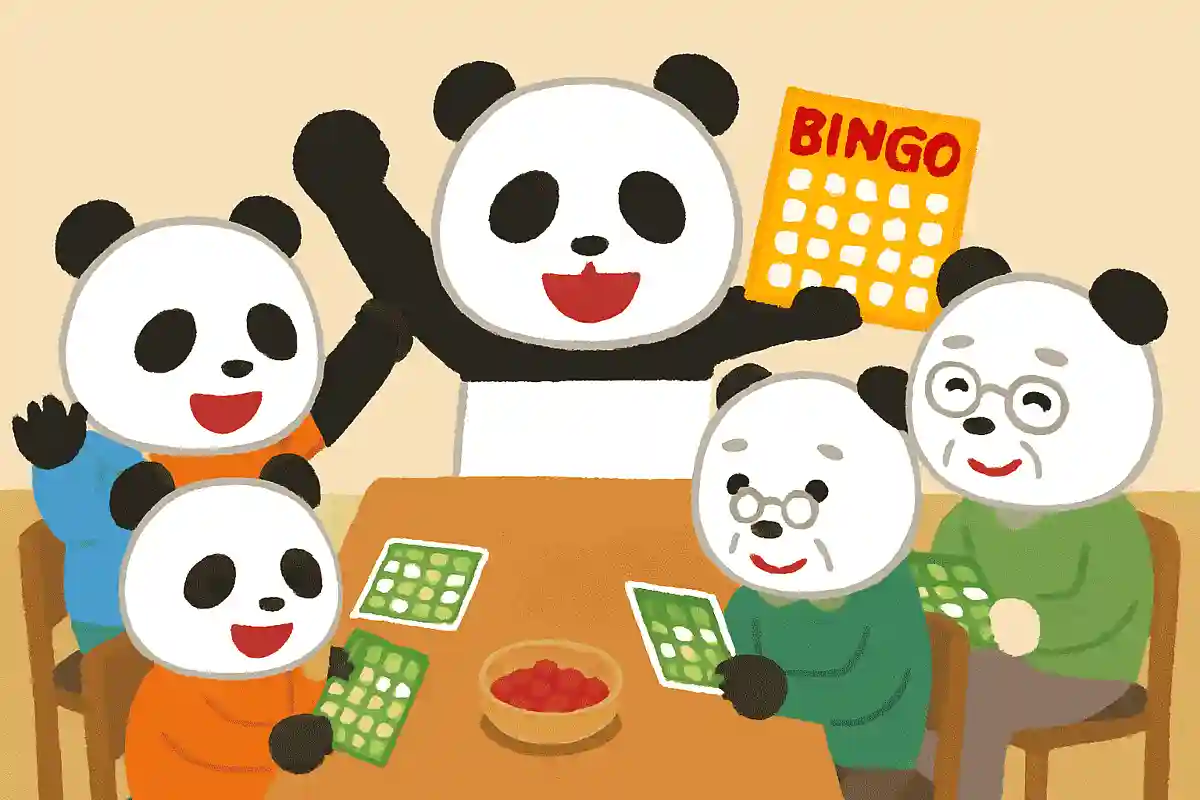
Tongue twisters with animal themes are a classic.
Through the words, you can picture a cute scene with animals lined up.
Sounds like “pa” and “ma” are hard to pronounce unless you close your lips first, so when they come in succession, the key is that your mouth really has to move.
Because you need to take the time to close your lips, being mindful of your mouth movements is important if you want to speak clearly while increasing speed.
Aim for clear pronunciation first, then gradually pick up the pace to train the muscles around your mouth.