

[Songs of Gunma] Exquisite masterpieces that sing of Gunma’s nature and the spirit of its people

When you hear place names from Gunma, do a nostalgic melody and lyrics come to mind? Songs themed around Gunma Prefecture are wonderfully diverse—from children’s songs and traditional school songs to enka, J-pop, and anime tunes! Many masterpieces vividly portray the atmosphere of hot spring towns, the grandeur of the mountains, and everyday life, and just hearing them makes you want to visit Gunma.
In this article, we’ve gathered songs related to Gunma Prefecture.
Why not discover Gunma’s lesser-known charms through music?
- Band, musician, and singer from Gunma Prefecture
- [Songs of Saitama] A Wealth of Humor-Filled Classics! Local Anthems Packed with Love for Saitama
- [Local Songs] Recommended tracks packed with Japan’s nationwide classics and hometown pride
- A classic song about Nagano. The enduring spirit of our hometown passed down through song.
- A classic song that sings of Yamanashi. The enduring heart of our hometown.
- [Songs of Kanagawa] A showcase of classic masterpieces that sing of port-town scenes and the feelings of its people!
- Recommended songs about mountains: classic and popular tracks for mountaineering and mountain songs
- Tokyo Desert: A Collection of Kiyoshi Maekawa’s Easy-to-Sing Songs [2026]
- A roundup of regional enka songs: classic hits that feature places from all across Japan in their lyrics.
- [Japan’s Tallest Mountain] Famous songs about Mount Fuji: recommended popular tracks
- [Songs of Yamaguchi] Introducing local tunes filled with hometown love and tracks related to Yamaguchi
- [Akita Songs] A Collection of Gem-Like Local Tunes Filled with Love for Hometowns
- [Yamagata Songs] Beloved local tunes and classic tracks celebrating majestic nature and hometown pride
[Songs of Gunma] Exquisite masterpieces that sing of Gunma’s nature and the spirit of its people (31–40)
Maebashi BluesSugano Yutaka

Hmm, what a nice voice.
As I thought, it’s Yutaka Kanno, the original lead vocalist of Southern Cross.
After Mori Yuji & Southern Cross disbanded in 1985, Yutaka Kanno made his solo debut in 1987, and he’s been captivating audiences with his singing at local dinner shows and the like.
The mention of the Ryōmō Line’s last train really makes it a local song, doesn’t it?
A Lone Traveling Crow of JōshūMatsushima Shinichiro

When you think of Jōshū—Gunma Prefecture, which was known as Kōzuke no Kuni—the name Chūji Kunisada is so famous that there are many songs about chivalrous outlaws.
It’s fine if things like fiery tirades and Hannya tattoos on one’s back exist only in the world of song.
But this Mr.
Shinichirō Matsushima is incredible.
While serving as the chairman of a comprehensive electrical equipment company, he made his debut at the age of 64.
He has commented that he spares no daily diligence and effort.
Shinobu’s Migratory Birdotowa shinobu

Although it’s a travel song from the perspective of a migratory bird, it also feels like a local anthem.
The first verse mentions Shinano and Kutsukake, pointing to Nagano Prefecture; the second verse sings of the Jōshū road and Tsukiyono in Gunma Prefecture; and the third verse brings up Sado and Teradomari in Niigata Prefecture.
Shinobu Otowa is from Shimonoseki in Yamaguchi Prefecture, has changed her stage name several times, appeared on talk shows wearing outfits designed by Uno Kanda, and perhaps thanks to those efforts, she won the Newcomer Award at the 43rd Japan Record Awards.
I love Maebashi.Sazankurosu

Southern Cross is also famous for including local place names in their titles, like “I Love You, Sapporo.” Since Sapporo has quite an urban image, I feel you don’t necessarily need to run a whole local-song campaign for it.
Still, when a city is woven into a song, it somehow creates a mood that makes you want to travel there.
“I Love You, Maebashi” doesn’t say much in its lyrics either, but it’s a song that evokes images of a hometown of the heart, of water and greenery.
Female KokuteiFutaba Yuriko
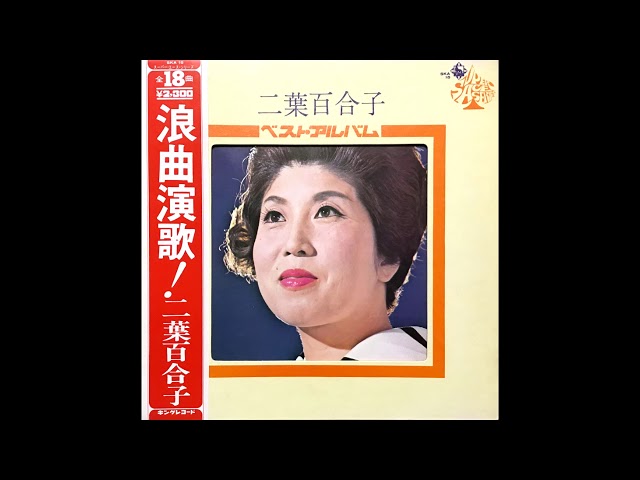
Yuriko Futaba, who made a huge hit with ‘Kishibe no Haha’ in 1972 and was energetically active in the public eye, announced her retirement in 2010; however, she is extremely dedicated when training her disciples.
When I saw her doing vocal exercises with Ayako Fuji on TV about one or two years ago, I could hardly believe that such vocal power belonged to someone over 80.
[Songs of Gunma] Exquisite masterpieces celebrating Gunma’s nature and the spirit of its people (41–50)
Yearning: A Man’s Straw HatSankado Chuuji

Describing the wandering drifter as an autumn pile of fallen leaves is, in a way, rather stylish among the lyrics of the matabi series.
The lines about a lone man, a traveling crow—where and why did he stray from the path, and how many times did he apologize to the mother in the palm of his hand—are truly moving.
Chuji Mikado is from Izumi, Osaka Prefecture, and in 1984 he received the Excellent Newcomer Award at the Nippon Hoso Cable Music Awards.
Kogarashi MonjirōOkawa Eisaku

When it comes to the opening theme of Kogarashi Monjirō, the only thing that comes to mind is Tsunehiko Kamijō’s “Dareka ga Kaze no Naka de,” which had a grand image quite removed from typical period drama music.
As for Eisaku Ōkawa’s song—does it sing about Monjirō’s fate? Monjirō is said to have been born in Mikazuki Village, Nitta District of Jōshū, and in his hometown there are places like a memorial hall that honor it as Monjirō’s birthplace.