

Recommended for piano recitals! A collection of bright, upbeat pieces

When it comes to piano recitals, don’t you often find yourself unsure which piece to play?
Even if you have a vague image like “I want to play a piece with a certain mood,” it can be hard to come up with specific titles.
Many famous classical pieces in minor keys are cool and impressive, but they tend to sound a bit dark, don’t they?
So in this article, I’ll introduce a wide selection of bright, upbeat pieces that are perfect for a piano recital.
From well-known favorites to hidden gems that sound great on stage, I’ve picked pieces across a broad range.
Try choosing one with a difficulty level that suits your playing.
- [For Elementary School Students] Brilliant, Showy Masterpieces That Sound Impressive at Piano Recitals
- [For Intermediate Players] Challenge Yourself! Recommended Masterpieces That Shine at Piano Recitals
- [For Adults] Recommended for Piano Recitals! A Curated Selection of Impressively Sounding Masterpieces
- [For Advanced Players] A Curated Selection of Classical Masterpieces to Tackle at Piano Recitals
- [Piano Recital] Recommended for Middle Schoolers! A Comprehensive Introduction to Classical Masterpieces
- [Intermediate Level] Cool Piano Pieces You Can Play [Great for Recitals Too]
- [Piano Recital] Recommended for Boys! A Curated Selection of Cool, Impressive, and Popular Pieces
- Recommended for junior high school students! A selection of pop songs perfect for piano recitals
- For Beginners: Easy to Play and Sounds Impressive! Pieces That Shine at Piano Recitals
- [For Piano Recitals] Simple yet Cool Classical Pieces
- [Beginner] Recommended Piano Pieces to Play at a Recital
- [Piano Recital] Carefully Selected Classical Pieces Recommended for Upper Elementary School Students
- [Piano Recital] Carefully Selected Classical Pieces Recommended for Upper Elementary School Students
Recommended for piano recitals! A collection of bright, upbeat pieces (31–40)
SummerHisaishi Joe
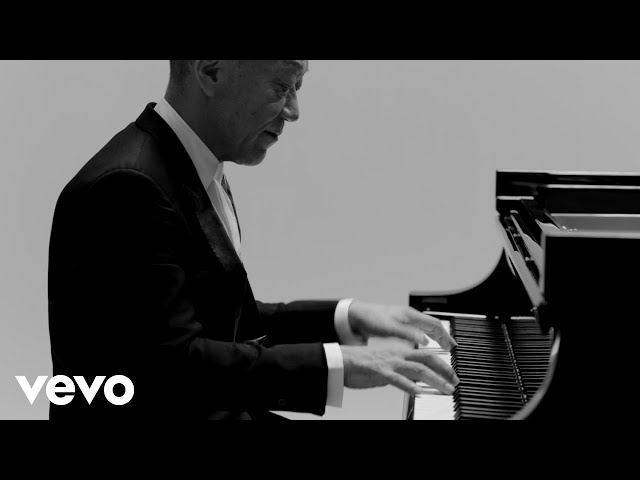
The piano piece composed for the film “Kikujiro” has become beloved as a classic that captures the refreshing brightness of summer and the warmth of unexpected encounters.
Carried by a clear, uplifting rhythm, it traces the journey and inner growth of an innocent boy, vividly portraying the drama of life through its tones.
After the film’s release, it was featured in many commercials; in Toyota Corolla’s ad, it aired alongside the tagline “The thrill of being able to change.” Simple yet profound, the melody has a resonant charm that touches listeners’ hearts.
Expressing summertime scenes through a boy’s eyes, the piece conveys nostalgia and a touch of wistfulness through its warm timbre and exquisite harmonies.
It’s recommended for those who wish to savor a gentle atmosphere and a refreshing afterglow.
Sonatina No. 7, First MovementMuzio Clementi

This is a brilliant piano work that shines with graceful, light-footed melodies.
Its lively, bright character is interwoven with virtuosic touches that evoke the famed 1781 performance duel in Vienna with Mozart.
The smooth right-hand melody and the left-hand accompaniment blend beautifully, creating a rich musicality that feels as if an entire orchestra is being expressed by a single piano.
Beginning at an Allegro tempo, it unfolds through an interplay of two contrasting themes, revealing a wide palette of musical colors.
Ideal for glamorous stage performances, this piece is recommended for those who want to make full use of the piano’s expressive power.
It is also a perfect choice for music lovers seeking comfort in an uplifting, heart-stirring tone.
In conclusion
How was it? Choosing pieces for a piano recital is always tough, isn’t it? While searching for pieces you can play and that suit you, you’ll find many famous classical works are in minor keys—like C minor, E minor, and G minor—and tend to sound rather dark. With that in mind, I’ve selected some bright, cheerful pieces that are great for piano recitals. The list ranges widely from classical works often performed at recitals to game music arranged for advanced pianists. The pieces recommended here also serve as a pickup of each composer, so if you find something you like, try listening to other works by the same composer and choose the piece that fits you best! As the saying goes, “What one likes, one will do well,” and I hope this article helps you improve by playing the music you love.