

A beautiful melody soothes the heart… Heisei-era ballad hit songs

The Heisei era, which includes the 1990s—often called the period when CDs sold more than at any other time in human history—gave birth to many hit songs.
In particular, many ballads continue to resonate with listeners’ hearts even as the times change.
With today’s revival boom, more young listeners are becoming interested in hearing the hit songs of that era.
So this time, we’re introducing ballad songs that were hits during the Heisei period!
If you grew up with them, they’ll feel nostalgic; if not, they’ll feel fresh.
Be sure to check them out!
- Ballad songs that were hits in the 2000s
- Iconic ballads of 90s J-pop: nostalgic mega-hits and fan favorites
- Tears won’t stop with these sentimental lyrics! Heisei-era tearjerker songs
- Heisei Song Collection: Iconic Hits That Colored the ’90s and 2000s
- Emotional songs from the Heisei era. Nostalgic tracks that really hit you.
- Just listening will surely move your heart! A moving song that represents the Heisei era.
- Just listening makes you feel happy! Heisei-era mutual love songs
- Cool songs of the Heisei era. Hit tracks that energized the times.
- A lineup of timeless masterpieces to pass down to future generations! Ballad songs born in the Reiwa era
- Songs from the Heisei retro era that will get any generation excited! Timeless tracks you’ll want to listen to now.
- Today's recommended ballads: A carefully curated selection of heartwarming, gem-like masterpieces!
- Old songs from the Showa to Heisei eras: a collection of timeless classics loved across generations
- From bittersweet tracks to heart-wrenching tunes! Heisei-era unrequited love songs
A beautiful melody soothes the heart… Heisei-era ballad hit songs (21–30)
May it be filled with kindnessJUJU
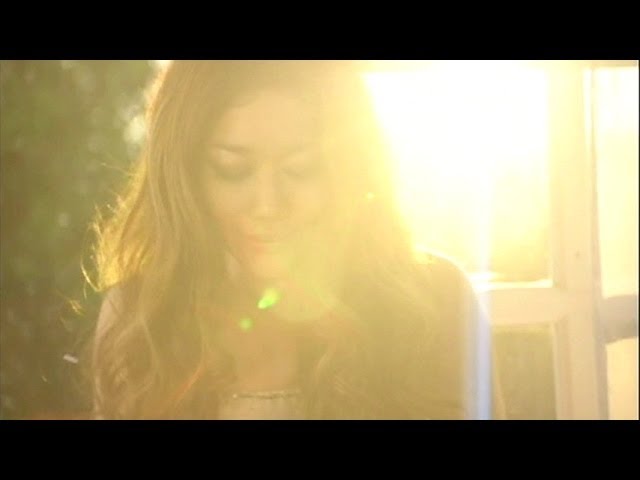
This is a rock ballad by JUJU released in 2009.
As the theme song for Nissan’s Cube commercial, it touched the hearts of many.
The lyrics express deep gratitude to the person who taught the singer the meaning of life at times when, amid unchanging days, she felt she might lose sight of what truly matters.
JUJU’s powerful yet delicate vocals convey a straightforward resolve to keep loving, even when apart.
It’s a timeless song that gently stays by your side when you want to renew your feelings for someone important or when you need a little warmth in your heart.
STARSNakajima Mika

With her one-of-a-kind presence and expressive power, singer Mika Nakashima made a striking debut both as an actress and a vocalist.
Released in November 2001, this debut single was used as the theme song for the TV drama “A Love Song Scarred with Wounds.” Nakashima herself appeared in the show as the heroine, and her performances in the drama left a powerful impression on viewers at the time.
With lyrics by Yasushi Akimoto, the song’s world—blending a strong will to seize one’s dreams with a bittersweet poignancy—combined with her deep, husky voice to stir listeners’ hearts.
Selling over 460,000 copies in total and winning the Best New Artist Award at the 44th Japan Record Awards, it is a gem of a ballad that can be called the very origin of her career.
MelodyTamaki Kōji

A gem of a ballad that gently envelops nostalgia for the past and feelings for what has been lost.
Koji Tamaki’s delicate vocals resonate deeply in this piece, where straightforward lyrics and a simple melody blend beautifully.
Carried by the warm tones of an acoustic guitar, it quietly sings of the resolve to face forward while holding cherished memories close.
Released in May 1996, the song has been covered by many artists over the years and has grown in esteem.
A heartwarming track that pairs perfectly with a leisurely night drive or a quiet moment alone in thought.
When you’re by my sideKahara Tomomi
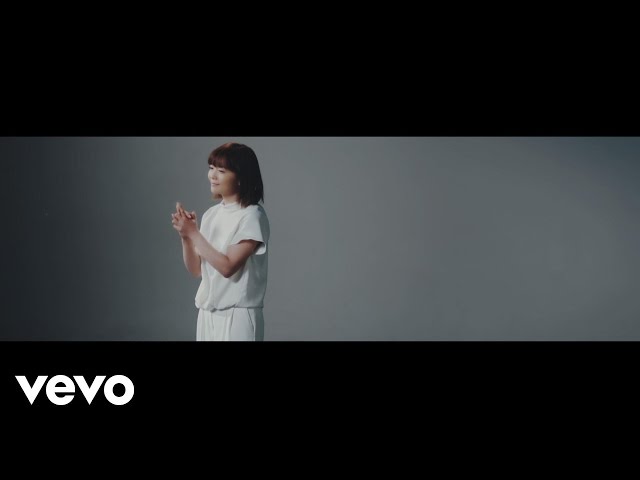
Tomomi Kahala’s 29th single.
With Satoshi Takebe as sound producer, this love ballad features a grand arrangement woven from piano and strings that tugs at the heart.
The lyrics—into which Kahala layered her own life experiences and recorded while holding back tears—convey straightforward gratitude and affection for the person by her side.
Released in May 2016, the song was used as the Japanese theme for the film “A Chinese Odyssey Part Three” (Japanese title: Kounenki-teki na Kanojo), marking her first movie tie-in in 13 years.
It’s a heartwarming number, combining gentleness and strength, that helps you feel the immense presence of a cherished partner when you want to reaffirm your feelings or express thanks.
Can You Feel My LoveFull Of Harmony
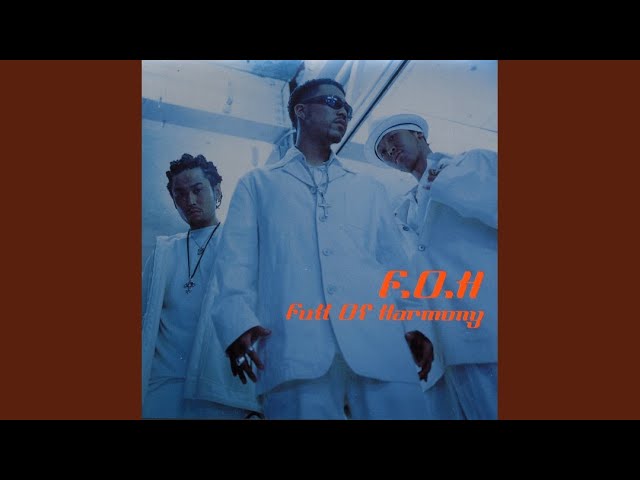
Full Of Harmony is a vocal group that has been beloved in Japan’s R&B scene for many years.
Armed with authentic choral work, they’ve consistently delivered sophisticated songs.
Featured on their milestone debut album “Full Of Harmony,” this track stands out as an R&B number with a comfortably flowing groove, even among the classics released in August 2000.
The lyrics convey a pure feeling—like asking a loved one, “Can you feel what I’m feeling?”—and that emotion resonates deep within the heart through the trio’s exquisite harmonies.
The charm of this piece lies in the vocal work, where lead and chorus parts switch smoothly, further enhancing the moody atmosphere as the night wears on.
Give it a listen while thinking of someone special.
FlowerORANGE RANGE

ORANGE RANGE is a rock band with a three-vocalist lineup, each with a different vocal range, captivating fans with their wide expressive palette.
Released in October 2004 as their eighth single, this song became a major hit as the theme for the film “Be with You.” It sings of a universal love directed not only toward a lover but also toward irreplaceable people like family and friends, with heartfelt lyrics that resonated with many.
Layers of strings over a wistful melody create an emotionally stirring ballad worthy of the catchphrase “the version of RANGE that makes you cry.” It topped the Oricon Weekly Chart for a total of four weeks and was also included on the acclaimed album “musiQ.” Listening to it while thinking of someone dear brings a gentle warmth, as if your heart is being softly embraced.
Christmas songback number

It’s the perfect song for a winter night when, despite the glittering bustle of the city, you can’t help but think only of someone special.
The lyrics carefully portray the frustration of not being able to see the person you want to see right away, and the tenderness that overflows anyway—it really tightens your chest, doesn’t it? Released in November 2015 as back number’s 14th single, the track quickly rose to fame as the theme song for the TV drama “5→9: From Five to Nine.” Produced by Takeshi Kobayashi, its warmly poignant sound—woven from piano and strings—is exceptional.
Gently embracing everyone in love, as well as those spending the holy night with a touch of loneliness, this piece is also included on the acclaimed album “Chandelier.”