

A beautiful melody soothes the heart… Heisei-era ballad hit songs

The Heisei era, which includes the 1990s—often called the period when CDs sold more than at any other time in human history—gave birth to many hit songs.
In particular, many ballads continue to resonate with listeners’ hearts even as the times change.
With today’s revival boom, more young listeners are becoming interested in hearing the hit songs of that era.
So this time, we’re introducing ballad songs that were hits during the Heisei period!
If you grew up with them, they’ll feel nostalgic; if not, they’ll feel fresh.
Be sure to check them out!
- Ballad songs that were hits in the 2000s
- Iconic ballads of 90s J-pop: nostalgic mega-hits and fan favorites
- Tears won’t stop with these sentimental lyrics! Heisei-era tearjerker songs
- Heisei Song Collection: Iconic Hits That Colored the ’90s and 2000s
- Emotional songs from the Heisei era. Nostalgic tracks that really hit you.
- Just listening will surely move your heart! A moving song that represents the Heisei era.
- Just listening makes you feel happy! Heisei-era mutual love songs
- Cool songs of the Heisei era. Hit tracks that energized the times.
- A lineup of timeless masterpieces to pass down to future generations! Ballad songs born in the Reiwa era
- Songs from the Heisei retro era that will get any generation excited! Timeless tracks you’ll want to listen to now.
- Today's recommended ballads: A carefully curated selection of heartwarming, gem-like masterpieces!
- Old songs from the Showa to Heisei eras: a collection of timeless classics loved across generations
- From bittersweet tracks to heart-wrenching tunes! Heisei-era unrequited love songs
A beautiful melody soothes the heart... Heisei-era Ballad Hit Songs (41–50)
Earthikimonogakari

This is a gem-like ballad themed around parting and reunion, imbued with a deep affection for our living planet.
It’s a cherished song that has been carefully passed down since their indie days, and a memorable piece written and composed by Hotaka Yamashita when he was 16.
Included on the album “NEWTRAL,” it features an arrangement notable for the distinctive timbre of the jaw harp.
It’s a heartwarming track you’ll want to listen to when thinking of someone dear who’s far away, or when standing at a crossroads in life.
Like tonight’s moonElefanto Kashimashi
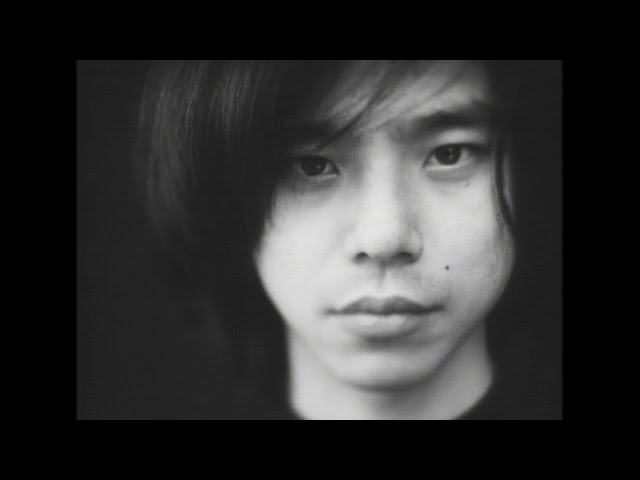
A signature song by Elephant Kashimashi, it sublimates the feeling of a heart wavering between everyday nihilism and hope into something beautiful.
The dramatic melody and Hiroji Miyamoto’s impassioned vocals resonate deeply with listeners.
Released by Pony Canyon in July 1997, it was used as the theme song for the drama “Because the Moon Shines at Night.” It became the band’s first entry into the Oricon Weekly Top 10 and a major hit with total sales of about 800,000 copies.
When you’re worn out by relationships or work and listen to this song, you can sense someone who struggles just like you yet still tries to face forward and live.
Like gentle moonlight softly illuminating the night, this is a song that stays close to your heart.
budKobukuro
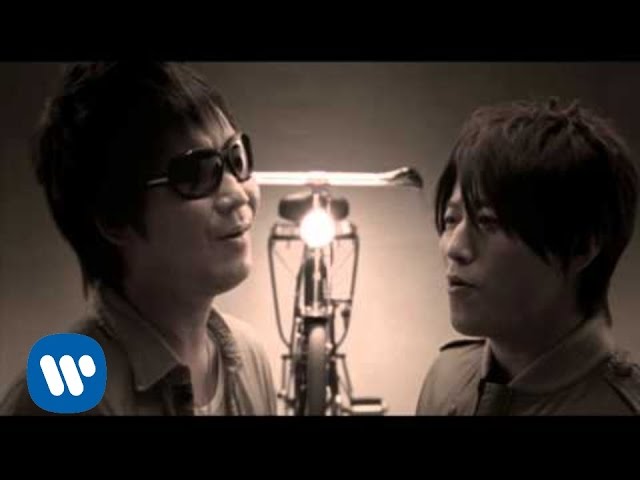
An emotionally moving song that gently sings of the sorrow of losing a mother and the hope for the future.
Its simple arrangement centered on acoustic guitar and a wistful yet warm melody resonates with many listeners.
Released by Kobukuro in March 2007, it was also used as the theme song for the Fuji TV drama “Tokyo Tower: Mom and Me, and Sometimes Dad.” Furthermore, in March 2008 it was selected as the entrance march for the opening ceremony of the 80th National High School Baseball Invitational Tournament, gaining nationwide recognition.
Embracing the feelings we have for family and loved ones, this piece is perfect for moments when your heart feels close to breaking or when you want to strongly remember someone.
Robinsonsupittsu

One of Spitz’s signature songs, released in April 1995, it continues to move many hearts with Masamune Kusano’s gentle, wistful vocals.
The lyrics embody themes of love and loneliness, rebirth and hope, offering a depth that invites new interpretations with each listen.
Featured on the album Honey (Hachimitsu), the track also became beloved as an insert song for the drama Hakusen Nagashi.
It’s a comforting piece you’ll want to hear while thinking of someone dear beneath the starry sky.
Flavor Of LifeUtada Hikaru

This is a masterpiece that delicately portrays the bittersweet pain of heartbreak and parting.
Released in February 2007, it’s a song by Hikaru Utada and served as the image song for the TBS drama “Boys Over Flowers 2 (Returns).” It beautifully expresses the many emotions brought on by saying goodbye to someone you love, with a memorable melody that resonates as if you can feel the very essence of love throughout your whole body.
The song topped the Oricon Weekly Singles Chart for three consecutive weeks and was also included on the album “HEART STATION.” It’s a track that resonates deeply during the poignant moments of love or when you’re feeling uncertain about a relationship with someone important.
White LoversKuwata Keisuke

It is a lyrical ballad that depicts the bittersweet feelings of love in winter.
Released in October 2001, it is a work by Keisuke Kuwata themed around the winter season.
Rather than simply mourning a love that has passed, it also carries a sense of celebrating the memories of love, portraying warm emotions alongside scenes of a city blanketed in falling snow.
It was used as the theme song for Coca-Cola’s “No Reason” campaign commercial, and later featured in UNIQLO’s “LifeWear” commercial, earning affection from a wide audience.
It is a heartwarming song to listen to when you want to heal a heart hurt by love or reflect on cherished memories.
I won’t fall in love anymore.Makihara Noriyuki
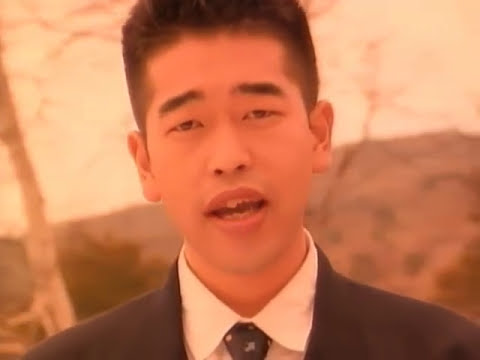
A gem-like ballad that delicately portrays the pain of heartbreak and the hope of taking a new step forward.
Noriyuki Makihara’s gentle vocals tenderly envelop the protagonist’s complex feelings as they struggle to accept a breakup with their lover.
While carefully depicting the loneliness and confusion felt in everyday life, it also resonates with the positive resolve hidden behind the words “I won’t fall in love anymore.” Released in May 1992, the song was used as the theme for the drama “After the Children Are Asleep,” reaching No.
2 on the weekly Oricon chart and No.
7 for the year.
It’s a song that stands as emotional support, accompanying you through the healing process of a broken heart.