


The Heisei era, which includes the 1990s—often called the period when CDs sold more than at any other time in human history—gave birth to many hit songs.
In particular, many ballads continue to resonate with listeners’ hearts even as the times change.
With today’s revival boom, more young listeners are becoming interested in hearing the hit songs of that era.
So this time, we’re introducing ballad songs that were hits during the Heisei period!
If you grew up with them, they’ll feel nostalgic; if not, they’ll feel fresh.
Be sure to check them out!
- Ballad songs that were hits in the 2000s
- Iconic ballads of 90s J-pop: nostalgic mega-hits and fan favorites
- Tears won’t stop with these sentimental lyrics! Heisei-era tearjerker songs
- Heisei Song Collection: Iconic Hits That Colored the ’90s and 2000s
- Emotional songs from the Heisei era. Nostalgic tracks that really hit you.
- Just listening will surely move your heart! A moving song that represents the Heisei era.
- Just listening makes you feel happy! Heisei-era mutual love songs
- Cool songs of the Heisei era. Hit tracks that energized the times.
- A lineup of timeless masterpieces to pass down to future generations! Ballad songs born in the Reiwa era
- Songs from the Heisei retro era that will get any generation excited! Timeless tracks you’ll want to listen to now.
- Today's recommended ballads: A carefully curated selection of heartwarming, gem-like masterpieces!
- Old songs from the Showa to Heisei eras: a collection of timeless classics loved across generations
- From bittersweet tracks to heart-wrenching tunes! Heisei-era unrequited love songs
A beautiful melody heals the heart... Heisei-era ballad hit songs (1–10)
Time goes byEvery Little Thing
A ballad whose translucent vocals and gentle piano tones seep into the heart.
Released in February 1998, Every Little Thing’s eighth single delicately portrays the feeling of looking back on a past love while finding the strength to move forward.
Chosen as the theme song for the drama “Amai Kekkon” (“Sweet Marriage”), it captured the hearts of many listeners.
Included on the album Time to Destination and later featured on best-of compilations, this track still shines, unfaded, as one of the Heisei era’s signature ballads.
It’s a perfect song for those moments when, amid a hectic life, you want to pause and face your own feelings.
366 daysHY

A four-member mixture band HY, based in Okinawa and also known for producing a natural brand beyond music, delivers this song.
It’s a ballad included on their 5th album, HeartY.
The lyrics, born from Izumi Nakasone’s real-life experience, paired with a heartrending melody, evoke the genuine emotions one feels after a breakup.
Released in April 2008, it drew attention as the theme song for the film Red Thread.
With a straightforward message to someone unforgettable that tightens the heart, this representative HY song continues to be sung across generations.
Close your eyesHirai Ken

With its heartrending lyrics and beautiful melody, Ken Hirai’s song resonates deeply.
Released in April 2004 as his 20th single, it served as the theme song for the film “Crying Out Love, in the Center of the World.” The lyrics, imbued with the sorrow of losing someone precious, convey a profound sense of loss and the aching sadness of only being able to meet in memories.
The song achieved the remarkable feat of ranking No.
1 on the Oricon year-end chart.
With its emotional vocals that intensify the poignancy, it can be called a representative ballad of the 2000s.
EverythingMISIA

This is the seventh single by MISIA, an artist highly acclaimed in Japan and abroad for her five-octave vocal range and delicate expressiveness.
Chosen as the theme song for the TV drama “Yamato Nadeshiko,” it was released in October 2000.
The song drew major attention, including ranking first in JASRAC’s 2001 annual distribution of copyright royalties.
Its beautiful melody line and MISIA’s overwhelming vocal prowess blend magnificently, capturing listeners’ hearts and never letting go.
With lyrics brimming with love and a moving vocal performance, this grand ballad continues to inspire many people.
HOWEVERGLAY
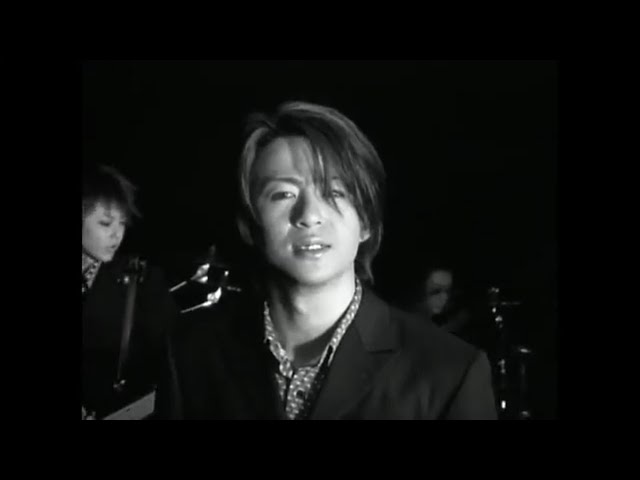
With its poignant lyrics and beautiful melodic line that resonate deeply, this is one of GLAY’s signature songs.
Released in August 1997, it became the band’s first million-selling single and captured the hearts of many listeners.
It was also featured as the ending theme for the TBS drama “Ryakudatsu-ai: Abunai Onna,” which drew even more attention.
The lyrics, which sing of bonds with a loved one and the strength to move forward together by overcoming past experiences, offer comfort and courage to listeners.
It’s a moving song you’ll want to hear when you want to cherish time with someone important or when you’re standing at a crossroads in life.
SakurazakaFukuyama Masaharu

Masaharu Fukuyama’s 15th single, which captivated listeners with its poignant lyrics and melody.
Released in April 2000 as the theme song for the variety show “Uhnan no Hontoko! Mirai Nikki V,” it became the last single of the 20th century to surpass two million copies sold according to Oricon.
The lyrics, themed around feelings for a former lover, were written based on Fukuyama’s own real-life experiences, resonating with many listeners.
Its lyrical melody, delivered in his deep voice, is sure to strike a chord with anyone who has known heartbreak.
This work continues to be cherished as one of the Heisei era’s emblematic “sakura” songs.
single bedSha ran Q

This song, etched in the hearts of many as an iconic anthem of the Heisei era, weaves a world of poignant lyrics and beautiful melody that resonates deeply with listeners.
Released in 1994, it became Sharan Q’s first million-selling single and secured an unshakable place as the band’s signature track.
It was also featured in the film “Confession of Murder: 22 Years Later,” where its universal themes struck a chord with many.
A heartwarming ballad, it gently accompanies those who carry the pain of heartbreak, regret, and unwavering feelings.