

Resonates across generations! Hit songs that colored the Heisei era, perfect as BGM

From the 1990s to the 2000s—often called the era when CDs sold the most in J-pop history.
And the 2010s, when the Reiwa era began in 2019.
The Heisei era, which produced countless hit songs, feels both nostalgic and somehow quite recent, doesn’t it?
This time, we’re introducing songs released during the Heisei era that are perfect for background music.
We’ve gathered tracks that people across many generations are likely to know, so they’re great both for enjoying your alone time and for playing as a medley at events!
- Nothing but masterpieces! Hit songs from the Reiwa era that are perfect for background music
- Songs from the Heisei retro era that will get any generation excited! Timeless tracks you’ll want to listen to now.
- Nostalgic yet new! Hit songs from the Showa era you’ll want to use as BGM
- Cool songs of the Heisei era. Hit tracks that energized the times.
- All big hits! A roundup of classic J‑Pop songs that were popular in 2000
- Heisei Song Collection: Iconic Hits That Colored the ’90s and 2000s
- Old songs from the Showa to Heisei eras: a collection of timeless classics loved across generations
- Recommended BGM for YouTube Shorts! Popular songs released in the Reiwa era
- [Heisei Songs] Classic hits from the Heisei era that are popular on Instagram Reels
- Emotional songs from the Heisei era. Nostalgic tracks that really hit you.
- Heisei-era masterpieces: Easy to sing! Carefully selected songs recommended for karaoke choices!
- Heisei-era masterpieces. Hit songs that represent the Heisei period.
- Hits that resonate across generations! Popular 1990s songs on TikTok
Resonates Across Generations! Recommended BGM: Hit Songs That Defined the Heisei Era (11–20)
Just by you being herekome kome CLUB

A Kome Kome Club song that captured many hearts with its refreshing melody and resonant lyrics.
Released in 1992, it was used as the theme song for the Fuji TV drama “Sugao no Mama de” broadcast the same year.
It became a mega-hit, selling 2.89 million copies and even turning into a social phenomenon.
By singing not only about romance but also about a broader outlook on life, the song gained wider appeal and was embraced by many as a track that even people on their own can enjoy.
Loved across generations, it also makes a great choice for background music.
HOWEVERGLAY
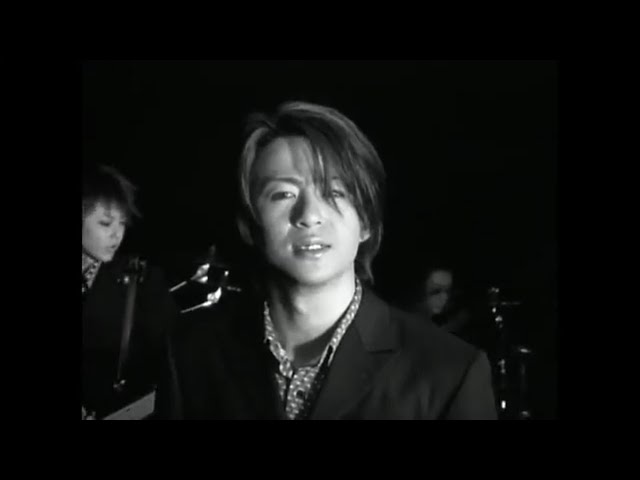
Released in 1997 by GLAY, a rock band emblematic of the Heisei era, this work is a classic that portrays the fragility of love and life.
TAKURO, who wrote and composed the song, is said to have created it while staying in London, where he found inspiration.
It was later chosen as the ending theme for the TBS drama “Ryakudatsuai: Abunai Onna,” which boosted its popularity even further.
The lyrics, which sing of the complexities of romance and the ebb and flow of emotions, have resonated deeply with many listeners.
A million-selling hit, the song continues to rank highly in karaoke and is beloved across generations.
It’s a recommended track for moments when you want to reflect on love and life.
Christmas songback number
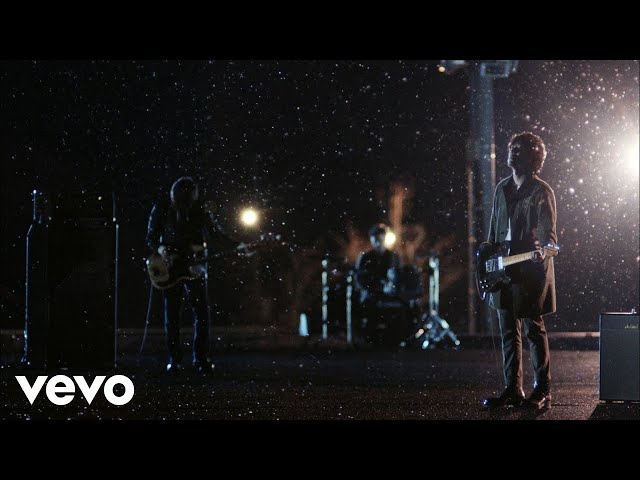
A popular song by back number that has garnered strong support, especially among younger listeners, thanks to its bittersweet, melancholic melody and universally relatable lyrics.
Selected as the theme song for Fuji TV’s Monday 9 p.m.
drama “5→9: The Monk Who Fell in Love with Me,” the track is included on the album Chandelier and reached No.
1 on the Billboard Japan weekly chart.
Released in 2015, the song features lyrics that evoke the winter season and romance, skillfully depicting Christmas scenes.
Its portrayal of poignant feelings and desires toward a loved one resonates with many listeners.
It’s a beloved tune across generations that is widely played during the winter season.
Crimson Lotus FlowerLiSA
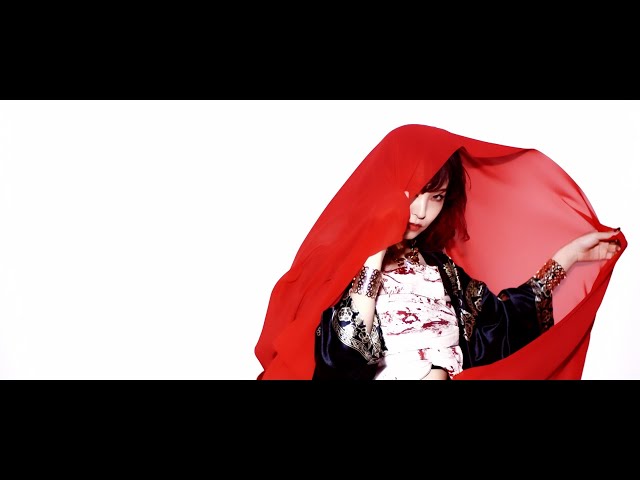
This is the 15th single by female singer LiSA, used as the opening theme for the TV anime Demon Slayer: Kimetsu no Yaiba.
The contrast between the intense rock sound and the quieter sections is crafted to maximize the impact of the chorus.
Centered on themes of personal growth, confronting hardship, and hope, the lyrics deliver a message that resonates with many listeners.
Released digitally in advance in April 2019, the song became a social phenomenon that transcended the anime genre, setting numerous records and being performed at the NHK Kouhaku Uta Gassen in both 2019 and 2020.
Brimming with strength and hope, this track is highly recommended for listeners of all ages as a song to boost motivation and give you a push forward.
Tomorrow never knowsMr.Children

This is the sixth single by Mr.Children, a four-piece rock band that defined the Heisei era.
Chosen as the theme song for the TV drama “Wakamono no Subete” (All About Young People), it stands as the band’s biggest hit and also holds the record for the highest sales of any single released by their label, Toy’s Factory.
Released in November 1994, it surpassed one million copies sold in its third week on the market.
Beginning with a lyrical piano intro, Kazutoshi Sakurai’s powerful vocals resonate deeply.
Its message, which seems to depict the journey of life, offers layered meanings that can be interpreted differently depending on the listener’s age and experiences.
As a song nearly everyone knows, it’s also a recommended, slightly wistful number for karaoke.
New Treasure IslandSakanakushon

From the very first bars, it’s a retro-yet-fresh dance number that sets your heart racing! Released in September 2015 as Sakanaction’s 11th single, this track—by a band that masterfully fuses rock and dance music—was chosen as the theme song for the film “Bakuman.” The nostalgic synth tones and irresistibly buoyant beat are simply addictive.
The piece reflects the figure of a creator who, like a manga artist racing their pen across the page, persistently sketches out the future.
Even while carrying anxiety and inner conflict, the careful pursuit of ideals feels like an anthem cheering on everyone striving to create something.
It’s the perfect song for lifting your spirits and stepping forward with a positive mindset.
Surely more than anyone else in the worldNagayama Miho & WANDS

This is a legendary duet song by Miho Nakayama & WANDS, also known as the theme song of a drama that became a major hit starring Miho Nakayama.
Produced by Being and composed by Tetsuro Oda, it was created by a lineup that epitomized the 1990s music scene.
The earnest lyrics about believing in a fateful reunion are deeply moving.
Many listeners were surely captivated by the interplay between Miho Nakayama’s clear, crystalline vocals and WANDS’ Sho Uesugi’s passionate singing.
The chorus, where their voices intertwine, brims with the exhilaration of a miraculous moment.
It’s a timeless, gem-like love song.
In conclusion
This time, we introduced recommended tracks for BGM released in the Heisei era—what did you think? They’re all hit songs that bring back memories the moment you hear them, aren’t they? Of course, there are still countless masterpieces from the Heisei period that we couldn’t cover here, so be sure to explore and find your own favorites!