

Heisei Song Collection: Iconic Hits That Colored the ’90s and 2000s

During the Heisei era, which lasted from 1989 to 2019, many CDs achieved million-selling hits.
In addition to songs that became such huge hits they could be called social phenomena at the time, there are also many tracks that remain perennial favorites to this day.
In this article, we’ll introduce carefully selected Heisei songs, focusing mainly on J-pop from the 1990s to the 2000s.
These are timeless masterpieces, so please take your time and listen to each one.
We hope this brings back fond memories for adults, and that younger readers will use this as a gateway to discover other classic hits from the Heisei era.
- Heisei-era masterpieces. Hit songs that represent the Heisei period.
- Emotional songs from the Heisei era. Nostalgic tracks that really hit you.
- 2000s: A Collection of Hit Karaoke Classics
- All big hits! A roundup of classic J‑Pop songs that were popular in 2000
- A collection of nostalgic hits from the Heisei era: Let’s look back at iconic songs from the 1990s and 2000s.
- Heisei-era masterpieces: Easy to sing! Carefully selected songs recommended for karaoke choices!
- Resonates across generations! Hit songs that colored the Heisei era, perfect as BGM
- Cool songs of the Heisei era. Hit tracks that energized the times.
- Love songs that were hits in the 2000s. Classic and popular Japanese songs.
- Nothing but iconic hits that defined an era! 2000s classics popular on TikTok
- Songs from the Heisei retro era that will get any generation excited! Timeless tracks you’ll want to listen to now.
- Healing songs from the Heisei era that soothe daily fatigue and stress
- A Must-See for the Heisei Generation: Nostalgic Songs That Were Popular in the Heisei Era
Heisei Song Collection: Classic Hits That Colored the ’90s and 2000s (11–20)
FlowerORANGE RANGE

Released in 2004 as the theme song for the film “Be With You,” this track became one of ORANGE RANGE’s signature songs.
Its lyrics, which reflect on the transience and beauty of life and the preciousness of love, are memorable, and the song is marked by a catchy melody that anyone can hum along to.
Though gentle in tone, it has a powerful ability to resonate deeply with listeners.
It has been cherished across generations, even topping the Oricon Karaoke Chart for 42 consecutive weeks.
It’s a song that stays close to your memories with loved ones and to the turning points in life.
Why not take a relaxed listen while savoring the lyrics that truly touch the heart?
Seesaw Game ~A Brave Love Song~Mr.Children

One of Mr.Children’s signature songs, it features an upbeat, breezy rock sound sprinkled throughout with homages to Elvis Costello, whom Kazutoshi Sakurai greatly admires.
The lyrics, which liken the push-and-pull and frustration of romance to a seesaw’s sway, probe human nature while retaining a touch of comedy, and just listening to it naturally lifts your spirits.
Released in August 1995, it achieved an astonishing total sales figure of 1.812 million copies despite having no tie-in.
It is also known that the proceeds from this single were donated as relief funds for the Great Hanshin-Awaji Earthquake.
SakurazakaFukuyama Masaharu

This song, which evokes the arrival of spring, is a masterpiece ballad that artfully sings of the sweet, heartrending memories of a lost love.
Masaharu Fukuyama’s warm vocals stir the hearts of listeners.
Released in April 2000, it was chosen as the theme song for the TBS variety show “Uunnan no Hontoko! Mirai Nikki V.” In its first week, it sold over 750,000 copies, leading the music scene that year.
With lyrics that deeply move the listener while depicting cherry blossoms scattering, its charm is unmistakable.
The secret to its cross-generational appeal lies in its ability to stay close to the listener’s heart.
Be sure to give it a listen while taking in the scenery of spring.
Time goes byEvery Little Thing
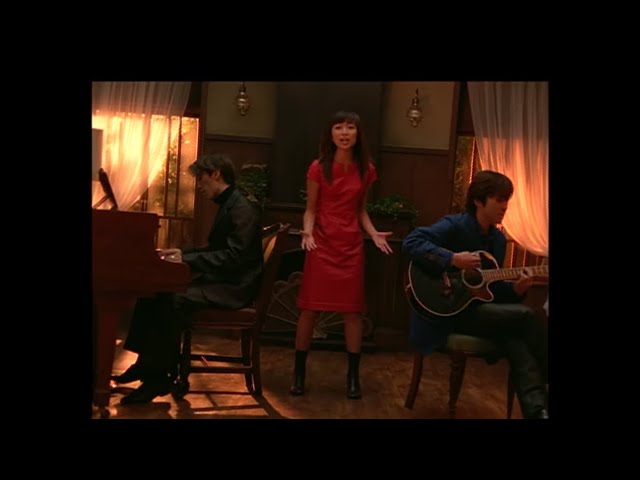
This work, which set the group’s all-time sales record, is a masterpiece ballad of the Heisei era, with Kaori Mochida’s gentle yet powerful vocals striking straight to the heart.
The lyrics portray two people whose desire for each other causes them to drift apart, conveying a sense of hope for the future even amid the sadness.
Released in February 1998 as their eighth single, it became widely known as the theme song for the drama “Amai Kekkon” and as the CM song for Toyota’s HILUX SURF SSR-V.
It’s also included on the classic album “Time to Destination,” and is a must-listen—especially on nights of romantic turmoil or when you want a quiet moment of self-reflection.
PRIDEImai Miki
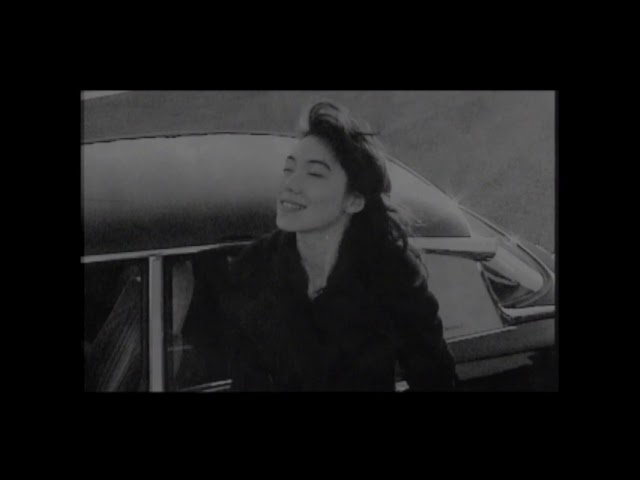
This piece resonates with lyrics that portray deep love for a partner and the will of an independent woman, carried by a warm melody crafted by Tomoyasu Hotei.
You don’t need to belt it out, and the melody moves gently, making it a great choice even for those who aren’t very confident in their singing.
Released in November 1996 as Miki Imai’s 12th single, it also became well known as the theme song for the Fuji TV drama “Doc.” As a tender, soothing ballad, it’s recommended for the latter part of a karaoke session or in a calm setting.
Simply following the melody carefully will make it sound lovely, so consider adding it to your repertoire.
I’m glad I met you.Koizumi Kyoko

Kyoko Koizumi, who has brightened the era as a top idol, delivers a heartwarming medium-tempo ballad with lyrics she wrote herself.
At first glance, the words seem to depict feelings toward a former lover, but did you know there’s a backstory that she actually wrote them by casting her father in the role of the lover? Released in May 1991, the song reached living rooms nationwide as the theme for the TBS drama “Papa to Natchan,” in which Koizumi also appeared, and went on to become a million-seller with over one million copies sold.
The melody, composed by Takeshi Kobayashi, features minimal leaps in range and sits in a comfortable key, making it reassuring even for those who struggle with high notes.
Heisei Song Collection: Masterpieces that colored the ’90s and 2000s (21–30)
sympathetic tearsHitoto Yo

The debut single by singer-songwriter Yo Hitoto, who has a Taiwanese father and a Japanese mother and continued making music in an a cappella club while attending Keio University.
Released in October 2002, the song reached No.
4 on the Oricon charts without a major tie-in and became a long-running hit, staying on the chart for 70 weeks.
The lyrics, which depict how a friend’s tears set off a chain reaction of emotions, are said to have been inspired by a heartbreak she experienced during her university years.
The striking chorus was crafted so that it can be sung universally using only vowels, creating a unique world where an Oriental, R&B-tinged arrangement and her resilient, powerful vocals blend exquisitely.
In 2003, the song earned her the Japan Record Award for Best New Artist and her first appearance on the NHK Kohaku Uta Gassen, making it the track that defined her career as an artist.