

Heisei Song Collection: Iconic Hits That Colored the ’90s and 2000s

During the Heisei era, which lasted from 1989 to 2019, many CDs achieved million-selling hits.
In addition to songs that became such huge hits they could be called social phenomena at the time, there are also many tracks that remain perennial favorites to this day.
In this article, we’ll introduce carefully selected Heisei songs, focusing mainly on J-pop from the 1990s to the 2000s.
These are timeless masterpieces, so please take your time and listen to each one.
We hope this brings back fond memories for adults, and that younger readers will use this as a gateway to discover other classic hits from the Heisei era.
- Heisei-era masterpieces. Hit songs that represent the Heisei period.
- Emotional songs from the Heisei era. Nostalgic tracks that really hit you.
- 2000s: A Collection of Hit Karaoke Classics
- All big hits! A roundup of classic J‑Pop songs that were popular in 2000
- A collection of nostalgic hits from the Heisei era: Let’s look back at iconic songs from the 1990s and 2000s.
- Heisei-era masterpieces: Easy to sing! Carefully selected songs recommended for karaoke choices!
- Resonates across generations! Hit songs that colored the Heisei era, perfect as BGM
- Cool songs of the Heisei era. Hit tracks that energized the times.
- Love songs that were hits in the 2000s. Classic and popular Japanese songs.
- Nothing but iconic hits that defined an era! 2000s classics popular on TikTok
- Songs from the Heisei retro era that will get any generation excited! Timeless tracks you’ll want to listen to now.
- Healing songs from the Heisei era that soothe daily fatigue and stress
- A Must-See for the Heisei Generation: Nostalgic Songs That Were Popular in the Heisei Era
Heisei Song Collection: Masterpieces that colored the ’90s and 2000s (21–30)
Like tonight’s moonElefanto Kashimashi
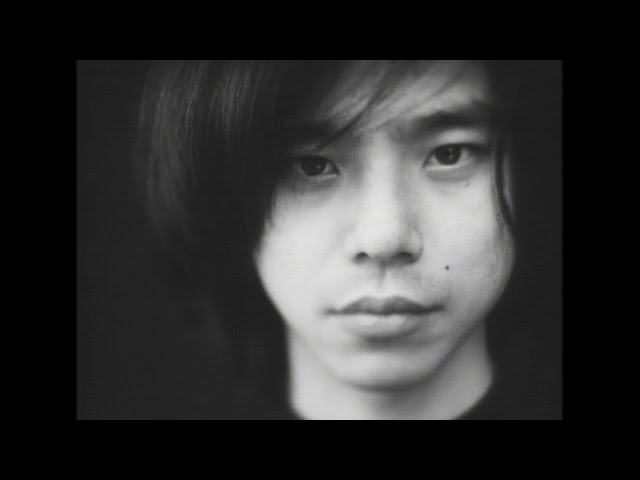
The lyrics, which portray the emptiness felt in everyday, fleeting moments and hope for tomorrow, are deeply moving.
Written and composed by Hiroji Miyamoto of Elephant Kashimashi, the single “Koyoi no Tsuki no Yō ni” was released in July 1997 and was written as the theme song for the Fuji TV drama “Tsuki no Kagayaku Yoru Dakara.” It became their biggest hit and is known for rapidly boosting the band’s popularity.
With a very catchy, easy-to-remember melody line and a relaxed rhythm, it’s perfect for anyone looking for a song that’s easy to sing.
It’s a timeless classic loved across generations, so consider adding it to your repertoire.
SaraiKayama Yūzō & Tanimura Shinji

A moving ballad featuring two stars who represent the Japanese music scene, Yuzo Kayama and Shinji Tanimura.
The lyrics were written based on viewers’ messages, and the song was created as part of a project to complete it within a 24-hour broadcast.
Released as a single in November 1992, it’s well known as the theme song for Nippon TV’s “24-Hour Television: Love Saves the Earth.” With its relaxed tempo and gentle melodic contours, it allows for easy breathing and is very singer-friendly.
The chorus builds a unifying sense of excitement that brings the audience together—perfect for linking arms and singing along as a group near the end of a karaoke session.
A Little Love SongMONGOL800

This song is by MONGOL800, a three-piece rock band from Okinawa Prefecture, and is included on their album “MESSAGE,” released in September 2001.
The lyrics, written in straightforward words that convey pure feelings for a loved one, sing of the significance of someone right by your side and the resolve to keep loving unchanged even in difficult times.
Its exhilarating melody and powerful vocals vividly capture the bittersweetness and hope of youth.
Despite not being released as a single, it held the No.
2 spot on the Oricon karaoke chart for 14 consecutive weeks and has become a karaoke staple.
It has also been widely used across media, including as the ending theme for the TV anime “Teasing Master Takagi-san.” In 2019, a film inspired by this song was released, drawing renewed attention.
It’s a rock tune recommended not only for those in love, but also for anyone who wants to reaffirm their bond with someone important.
All of the YouthFujifaburikku

A signature song by Fujifabric that captures the fleeting feel of summer’s end.
Released in November 2007 as their 10th single, it was included on the album TEENAGER.
Inspired by the fireworks at Lake Kawaguchi in Yamanashi, the hometown of Masahiko Shimura, the lyrics portray the confusion that comes with changes in oneself and one’s surroundings as the seasons turn.
In 2013 it was featured as an insert song in the drama SUMMER NUDE, and in 2018 it was used in a commercial, becoming a classic that remains in many people’s hearts.
With poignant lyrics and a melody that sinks into your chest, it’s the perfect track for looking back on your youth.
cherry blossomMoriyama Naotaro
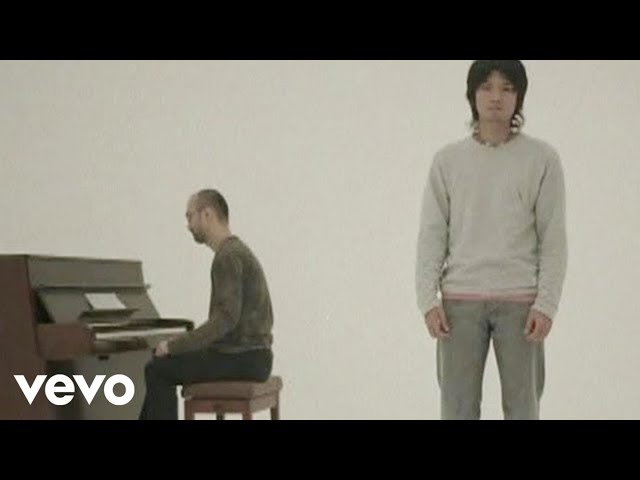
This is one of Naotaro Moriyama’s signature songs, which likens cherry blossoms—blooming in splendor with the arrival of spring and eventually falling—to farewells and new beginnings in life.
Released as a single in 2003, it was used as the ending theme for the MBS/TBS program “Sekai Ururun Taizaki.” The lyrics depict scenes of friends promising to meet again along a road lined with cherry trees, and saying their goodbyes while accepting the fleeting fate of petals falling, yet holding steadfast to unchanging feelings.
It is a timeless piece that we hope those facing life’s milestones—such as graduation or job transfers—will listen to.
The warm arrangement of piano and strings, together with Moriyama’s clear vocals, resonates deeply with listeners.
【es】~Theme of es~Mr.Children

A majestic rock ballad that portrays the inherent frailty, desires, and conflicting emotions of humanity, posing profound questions to the listener’s heart.
The lyrics, which sing of the resolve to survive in an unpredictable era while carrying unresolved feelings within, are quintessential Kazutoshi Sakurai.
Released as a single in May 1995, it was used as the theme song for the band’s documentary film “[es] Mr.Children in FILM.” Its weighty message—said to have been influenced by the Great Hanshin-Awaji Earthquake—has not faded with time.
It’s a masterpiece to listen to slowly on nights when you feel anxious or lost and want to face yourself.
Feeling great!!mihimaru GT

When you just want to get pumped up for the night, this dance tune is essential! It’s the signature track by the male-female duo mihimaru GT, released in May 2006 as their ninth single.
It was featured in the commercial for Dariya’s “Palty” and as the ending theme for the variety show “Skibara,” becoming a huge hit especially among Heisei-era gals.
The lively beat, rapid-fire rap, and soaring vocals make you forget your everyday frustrations in an instant.
Even if every day isn’t perfect, letting yourself sink into the sound will lift your spirits.
It’s the perfect anthem for those times you want to cut loose with friends on a drive or at karaoke, no explanations needed.