

Heisei Song Collection: Iconic Hits That Colored the ’90s and 2000s

During the Heisei era, which lasted from 1989 to 2019, many CDs achieved million-selling hits.
In addition to songs that became such huge hits they could be called social phenomena at the time, there are also many tracks that remain perennial favorites to this day.
In this article, we’ll introduce carefully selected Heisei songs, focusing mainly on J-pop from the 1990s to the 2000s.
These are timeless masterpieces, so please take your time and listen to each one.
We hope this brings back fond memories for adults, and that younger readers will use this as a gateway to discover other classic hits from the Heisei era.
- Heisei-era masterpieces. Hit songs that represent the Heisei period.
- Emotional songs from the Heisei era. Nostalgic tracks that really hit you.
- 2000s: A Collection of Hit Karaoke Classics
- All big hits! A roundup of classic J‑Pop songs that were popular in 2000
- A collection of nostalgic hits from the Heisei era: Let’s look back at iconic songs from the 1990s and 2000s.
- Heisei-era masterpieces: Easy to sing! Carefully selected songs recommended for karaoke choices!
- Resonates across generations! Hit songs that colored the Heisei era, perfect as BGM
- Cool songs of the Heisei era. Hit tracks that energized the times.
- Love songs that were hits in the 2000s. Classic and popular Japanese songs.
- Nothing but iconic hits that defined an era! 2000s classics popular on TikTok
- Songs from the Heisei retro era that will get any generation excited! Timeless tracks you’ll want to listen to now.
- Healing songs from the Heisei era that soothe daily fatigue and stress
- A Must-See for the Heisei Generation: Nostalgic Songs That Were Popular in the Heisei Era
Heisei Song Collection: Masterpieces that colored the ’90s and 2000s (21–30)
Feeling great!!mihimaru GT

When you just want to get pumped up for the night, this dance tune is essential! It’s the signature track by the male-female duo mihimaru GT, released in May 2006 as their ninth single.
It was featured in the commercial for Dariya’s “Palty” and as the ending theme for the variety show “Skibara,” becoming a huge hit especially among Heisei-era gals.
The lively beat, rapid-fire rap, and soaring vocals make you forget your everyday frustrations in an instant.
Even if every day isn’t perfect, letting yourself sink into the sound will lift your spirits.
It’s the perfect anthem for those times you want to cut loose with friends on a drive or at karaoke, no explanations needed.
ButterflyKōda Kumi

A dance number sung by Kumi Koda that expresses the strength and beauty of women.
Like a butterfly emerging from a chrysalis and soaring into the sky, the lyrics capture the joy of setting yourself free and living openly.
The sultry vocals and Latin-infused sound make you feel like you’ve become a confident, irresistible woman just by listening.
Released as a single in June 2005, it was used as the theme song for the TBS drama Ai no Gekijo: “Cosme no Mahou 2.” It won the Japan Record Award the same year and became a classic that also contributed to the massive success of her best-of album BEST ~first things~.
Heisei Song Roundup: Classic Hits That Colored the ’90s and 2000s (31–40)
No way to sayHamasaki Ayumi

Ayu Hamasaki’s 31st single, by an artist who epitomized the Heisei-era music scene and garnered immense support as a fashion icon.
Released in November 2003, the song was featured as the theme for the TBS variety show “Koisuru Hanikami!” and is also known for helping her achieve an unprecedented third consecutive win at the 45th Japan Record Awards.
The lyrics, which portray the frustration of being unable to honestly express your feelings to someone important, intertwine with the winter chill to evoke a heart-wrenching sense of poignancy.
This grand ballad, resounding with beautiful strings, is sure to bring back memories from that time.
You Go Your WayCHEMISTRY

A ballad that can be considered the concluding chapter of the early trilogy by CHEMISTRY, the male duo who burst onto the scene from the audition program ASAYAN and quickly rose to stardom.
Released as a single in October 2001, it was used in a commercial for Suntory’s canned coffee BOSS.
In their debut year, it became known as the work that proved their talent to the world by achieving an unprecedented record: three consecutive Oricon number-one singles.
The lyrics—about the resolve to deliberately take separate paths out of respect for each other’s future, and the indelible memories that intersect—carry a heartrending poignancy that tightens the listener’s chest.
What I can do for youGACKT
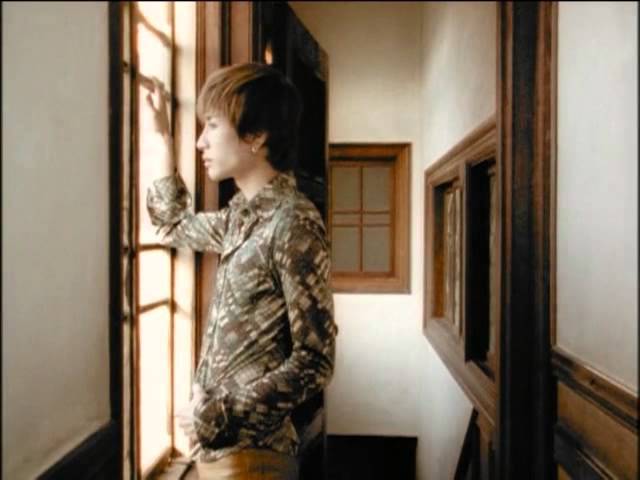
Singer-songwriter GACKT captivates many fans with his unique musical style and charisma, and is also active as an actor.
His eighth single, chosen as the ending theme for TBS’s music program “COUNT DOWN TV,” was released on White Day, March 14, 2001—a ballad filled with love for his fans.
Its warm lyrics, like drawing close to someone dear in sorrow and gently holding their hand, tenderly embrace the listener’s heart.
It’s a classic of the Heisei era that we hope you’ll listen to when you want to reaffirm your feelings for someone important.
Paradoxw-inds.
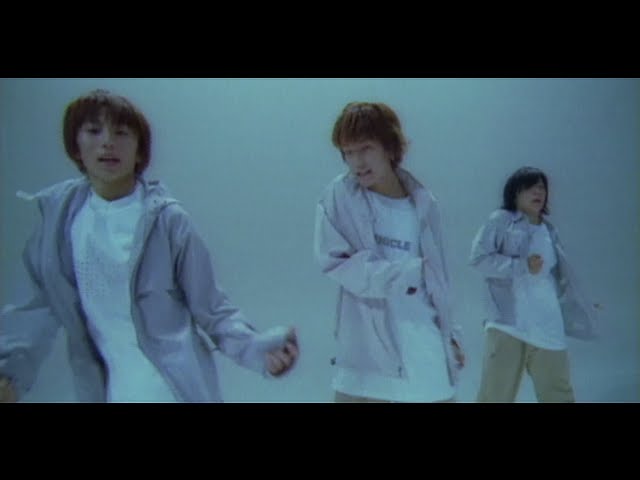
w-inds.
is a dance-vocal unit that made a striking debut in the early 2000s.
This early signature track is a dance number that fuses a four-on-the-floor beat with a wistful melody.
The lyrics, depicting missed connections and inner contradictions, reflect the honest emotions of teenagers and resonate deeply with listeners.
Released in October 2001 as their third single, the song’s success earned them the Best New Artist Award at that year’s Japan Record Awards.
It’s perfect for anyone who wants to immerse themselves once again in the world of Heisei-era hit songs.
Mini Moni. Janken Pyon!Minimoni.

The debut single from Mini Moni, a unit from Hello! Project, released in January 2001.
It topped the Oricon weekly chart for two consecutive weeks and became a major hit, ranking 15th on the year-end chart.
The song was featured on numerous TV programs, including TV Tokyo’s “Oha Suta,” and was later included on the album “Mini Moni Song Daijiten Vol.
1,” making it a track that thrilled children at the time.
Most notably, it was produced by Tsunku♂, with unique lyrics themed around rock-paper-scissors and a friendly, easy-to-follow dance routine—an irresistibly fun song you can enjoy without overthinking.