

Recommended for high school students! A collection of easy one-day science project ideas
High school students who are struggling to choose a topic for their summer vacation independent research project, this is for you.
If you’re looking for an easy project—like “an experiment that can be done in a short time” or “a research project that looks impressive”—good news! This article introduces independent research ideas packed with the fun of science, focusing on experiments and hands-on builds.
From steam engines to planetariums, these are all projects that will make viewers exclaim, “Wow!” And surprisingly, many are easier to tackle than you’d think.
Find a wonderful project that will become a lasting summer memory!
- [I don't want to be like everyone else!] Recommended independent research topics for high school students
- [Middle School Students] Easy One-Day Science Projects and Crafts Ideas
- For upper-grade boys! Simple yet awesome craft project [Don’t call it lazy]
- [For Adults] Simple yet Impressive Crafts: A Stylish, Eye-Catching Collection
- Simple but awesome! Craft ideas for upper-grade girls
- Stand out with your junior high school independent research! A collection of fun experiment and craft ideas
- DIY science projects that elementary school boys will love: ideas you can make with everyday materials
- For summer vacation homework! Simple and amazing crafts for elementary school students that you’ll want to make after seeing them
- Simple yet amazing crafts: craft ideas that elementary school students will want to make
- Simple and cute summer project crafts! A collection of ideas for girls that will make you want to create
- Recommended for elementary school students! Science fair topics & craft ideas
- Adults will be hooked! A collection of craft ideas using toilet paper rolls
- Recommended for middle school students! A collection of quick science project ideas you can do in a short time.
Recommended for high school students! A collection of easy one-day independent research ideas (41–50)
Transparent cute coaster

Summer is supposed to be hot, but don’t you feel like the summers lately are getting hotter every year? When it’s hot, we crave cold drinks—so why not make coasters to brighten up your drink time and turn it into a summer science project? You’ll be using two-part resin and other chemicals, so be sure to have an adult or an older sibling help you when handling them.
Aside from working with the chemicals, it’s basically just decorating coasters, so even small children can join in! We’re looking forward to seeing your cool, refreshing coasters!
Recommended for high school students! A collection of easy one-day independent research ideas (51–60)
Let’s explore the secrets of sound
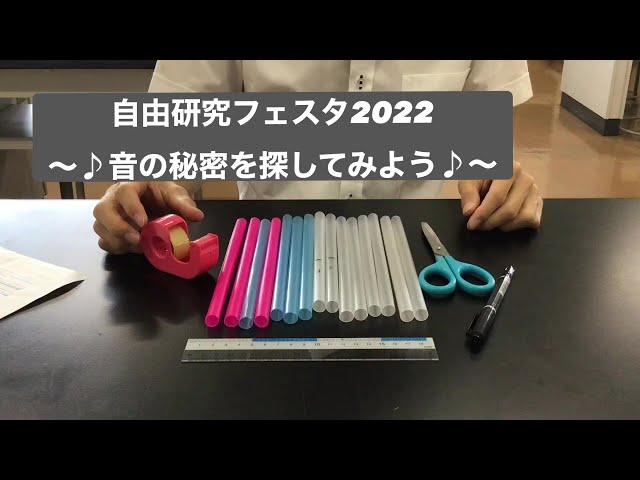
Here’s an idea for a flute you can make just by connecting straws.
Prepare straws that are all the same thickness and length.
You’ll need 8 straws for the mouthpiece, and since you’ll place spacer straws between them, prepare an additional 7, for a total of 15.
Cut the spacer straws to 5 cm.
The straws that become the flute pipes will vary in length depending on the pitch, so be sure to measure their lengths carefully with a ruler.
After cutting, seal one end of each straw with tape to make it a closed pipe.
Once everything is connected and glued together, it’s done.
Try experimenting with different lengths to see what sounds they make.

Remaking a 100-yen shop clock
https://www.tiktok.com/@nantomokuzai/video/7265645972984827143The part you can see from the back of a table clock or wall clock—the section with the battery compartment and the knob for setting the time—is called the movement.
You could say it’s the heart of the clock.
In fact, clock movements are sold on their own at 100-yen shops and home improvement stores, and you can use them to make your own original clock! If you’re good at woodworking, try starting from scratch by buying a wooden board and cutting a groove to fit the movement.
If that’s not your strong suit, there are also assembly kits with pre-cut grooves available, so you can use those instead.

desk lamp
@gakky_07 How about this for your summer vacation project?Summer Vacation Craft#Summer VacationDesk lamp
♬ Fun Isono Family / Sazae-san [Cover] – Sound Works
Here’s an idea for making a desk lamp that uses a magnet-mountable LED light.
The stand is entirely wooden, and the arm is movable so you can adjust the angle.
First, think about what size you want and what kind of structure you’re aiming for, and try drawing a design plan.
Once the plan is ready, figure out the lengths and quantities of wood you’ll need and source the materials.
These days, you can even find small pieces of wood at 100-yen shops, so those might work as well.
One of the joys of woodworking is choosing the finish—whether to go for a natural look with varnish or oil, or paint it your favorite color—so definitely consider a variety of options.
The Irritation Stick made with 100-yen store items
@rollercoaster002 #Summer VacationIndependent ResearchInvention and ingenuityworkSimple craft#100-yen-shop100-yen shop craftsElementary school craftJunior high school student crafts#IrritationStickElectrical work
Original Song – Craft Team STARSS – Craft Team STARSS
Let’s make a steady-hand game using materials from a 100-yen shop and learn about electricity! The materials are: a foam brick, a personal safety alarm, aluminum wire, copper wire, and vinyl tape.
Remove the switch from the circuit board inside the safety alarm and insert and solder the copper wire.
Wrap the copper wire with vinyl tape to cover it.
Shape the aluminum wire however you like, insert it into the foam brick, and connect one end of the copper wire to it.
Now your steady-hand game is complete! When you touch the remaining copper wire to the aluminum wire, the safety alarm will sound.
If the alarm doesn’t sound, it means the electrical circuit from positive to negative isn’t connected.
Check it again.
Torokira Keychain
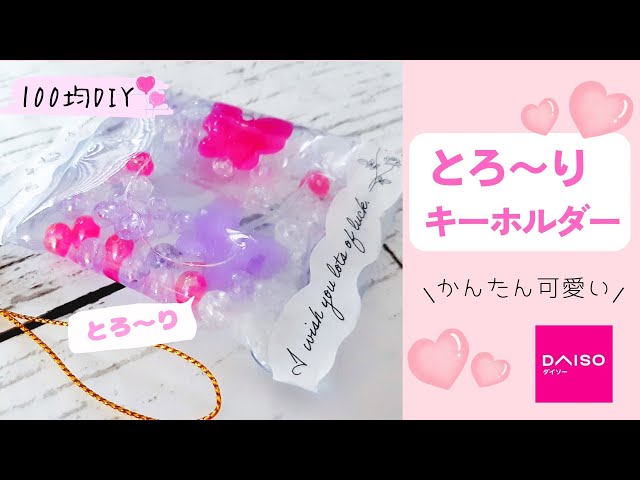
Do you know those cute accessories with a little doll floating in a tiny plastic bag? You often see them as prizes at festival raffles, but actually, you can make them yourself.
You only need items mostly from a 100-yen shop—like a soft card holder, beads and glitter, liquid laundry starch, and masking tape—so it’s a budget-friendly craft project.
Add cutouts of your favorite character or idol to the decorations, and it instantly becomes merch for your fave! You’ll want to make them for everyone!
Experiment to make clear ice
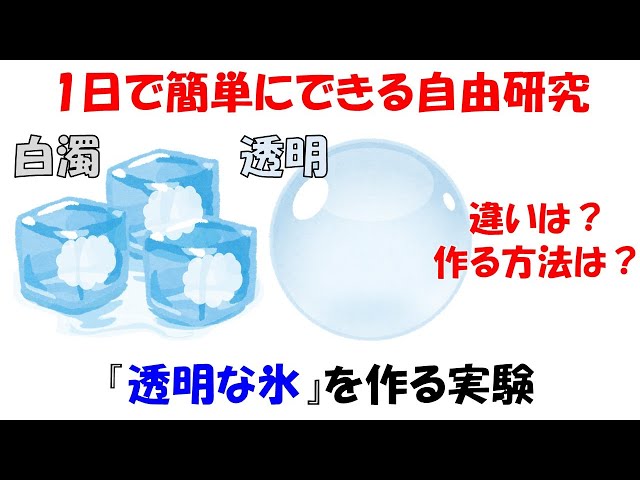
If you take a close look at the ice in drinks served at shops or the ice cubes sold in stores, they’re beautifully clear.
Meanwhile, the ice you make at home often looks cloudy, doesn’t it? That’s because clear ice contains fewer impurities and is frozen slowly over time.
Once you know the trick, it’s nothing special—but turning this mystery into a science project could be fun.
People often say you can make clear ice by wrapping water in bubble wrap (the cushioning material) and chilling it, but it would be great to run comparative experiments on those conditions.
Ultra-clear ice really draws attention!