

Heisei-era masterpieces revisited through the hit songs of 2001

When you think of the music scene in 2001, what songs come to mind? It was a year that produced countless memorable tracks—from million-selling masterpieces to hidden gems that still linger in our hearts today.
In this article, we’ll introduce a wide range of 2001 hits: nostalgic for those who listened in real time back then, and fresh for those who’ve only recently become curious.
Why not take this opportunity to immerse yourself once again in the world of Heisei-era hit songs?
- Japanese Music of the 2000s: Revival Included! A J-POP Hit Song Special
- Hit J-Pop songs from 2002. Recommended classics and popular tracks.
- Breakup songs that were hits in the 2000s
- Hit songs that colored 2011! Timeless tracks that bring back those days
- Heisei-era masterpieces. Hit songs that represent the Heisei period.
- Heisei Song Collection: Iconic Hits That Colored the ’90s and 2000s
- A collection of nostalgic hits from the Heisei era: Let’s look back at iconic songs from the 1990s and 2000s.
- All big hits! A roundup of classic J‑Pop songs that were popular in 2000
- Songs that were hits in the Heisei era are so nostalgic. We've carefully selected timeless classics you'll find yourself humming.
- Unrequited love songs of the Heisei era. Those nostalgic classic tunes.
- Cool songs of the Heisei era. Hit tracks that energized the times.
- 2000s Japanese Hits | Unforgettable Once You Hear Them! Exquisite Masterpieces
- [Heisei Songs] Classic hits from the Heisei era that are popular on Instagram Reels
Heisei Era Classics Revisited Through the Hit Songs of 2001 (51–60)
Yell ~Cheer~Kobukuro

It’s the well-known major-label debut single by Kobukuro.
Perhaps thanks to the popularity they built up in their indie days, or the high level of the song’s craftsmanship, it became a big hit despite being their first major release.
Even today, it remains a popular song that continues to be sung as an anthem of encouragement.
far; distantsupittsu

As many of you know, Spitz’s 2001 hit song is Haruka.
Since it was the theme song for the TV drama “Love Story,” many of you may have heard it naturally.
Spitz’s music indeed has a soft image.
The gentle vocals layered on top are so lovely that you can’t help but be drawn in.
Lifetime RespectMiki Dōsan

It’s a classic that became the first song in Japanese reggae history to reach No.
1 on the Oricon charts at a time when the genre wasn’t yet widely recognized.
The straightforward Kansai-dialect lyrics fit perfectly with the reggae rhythm and feel great.
It’s also well known for having an answer song by RSP.
Can You Keep A Secret?Utada Hikaru

It’s Hikaru Utada’s universally known smash hit, which topped the 2001 Oricon year-end chart and sold over a million copies.
As the first million-seller of the 21st century, the song was used as the theme for the drama HERO starring Takuya Kimura, and it also became the last million-selling theme song for a “Getsuku” (Monday 9 p.m.) drama.
Heisei Masterpieces Revisited Through 2001 Hits (61–70)
KISS OF LIFEHirai Ken
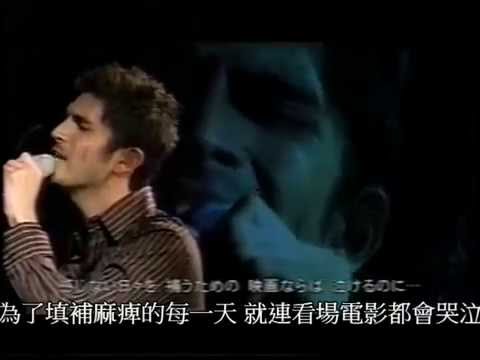
This song by Ken Hirai, a male singer known for his striking high vocals, became the theme song for the 2001 drama “Love Revolution.” His sweet voice meshes perfectly with the passionate lyrics and melody, making it an utterly enchanting track.
Overflowing… BE IN LOVEGoto Maki

This is the second single by Maki Goto, well known from Morning Musume.
It makes great use of her cuteness, maturity, and allure, captivating fans.
It reached No.
2 on the Oricon Weekly Singles Chart.
Hanjirō of the Hakone Eight RiHikawa Kiyoshi

This is Kiyoshi Hikawa’s debut song.
Thanks to this track, Hikawa gained recognition as a “national singer.” The lyric “Yada ne t tara yada ne” is extremely famous.
As for what he’s saying he dislikes, it seems to be his feelings toward his hometown and the world at large.