

[Intermediate] Recommended Piano Duets | A Curated Selection of Cool and Dazzling Pieces


Piano duet pieces performed with four hands simultaneously are all dazzling and cool! When choosing a piece to present at a recital, many people may wonder, “What kind of piece will make a big impression?” or feel stuck because “They all seem difficult, and I can’t decide…”.
So this time, from among luxurious and brilliant duet pieces, we’re introducing recommended works at the intermediate level! They all sound grand, but since the parts are shared between two players and there are many intermediate-level arrangements, these pieces are easy to try without feeling overwhelmed.
We hope this helps you choose your next duet piece.
- [Piano Duets] Guaranteed to get the crowd excited! A roundup of recommended pieces
- [Intermediate Level] Cool Piano Pieces You Can Play [Great for Recitals Too]
- [Advanced] Piano Duet Works | Exquisite Masterpieces to Savor the Rich, Weighty Sonorities of Four Hands
- [Piano Duets] Perfect for recitals! A carefully curated selection of brilliant, crowd-pleasing works
- [For Intermediate Players] Challenge Yourself! Recommended Masterpieces That Shine at Piano Recitals
- [Intermediate Level] A curated selection of piano masterpieces featuring strikingly brilliant melodies!
- [Beginner] Recommended Piano Duets | A curated selection of pieces enjoyable for both adults and children
- [For Adults] Recommended for Piano Recitals! A Curated Selection of Impressively Sounding Masterpieces
- [For Elementary School Students] Brilliant, Showy Masterpieces That Sound Impressive at Piano Recitals
- Piano Masterpieces: Surprisingly Easy Despite Sounding Difficult!? A Curated Selection Perfect for Recitals
- [Piano Recital] Perfect Pieces for Middle Schoolers! A Curated Selection of Impressive, Audience-Pleasing Works
- For Advanced Players: Showstopping Classics to Play at a Piano Recital
- [Piano Recital] Recommended for Boys! A Curated Selection of Cool, Impressive, and Popular Pieces
Recommended Piano Duets for Intermediate Players | A Curated Selection of Cool and Dazzling Works (61–70)
Happy Lifere fureru

Les Frères is a piano duo formed by brothers Moriya Saito and Keito Saito.
It’s no exaggeration to say they are the most popular piano duo in Japan.
Their works are known for their brilliant, up-tempo style.
“Happy Life” encapsulates the charm of Les Frères and is a particularly dazzling piece.
Because there’s little space between notes, the tempo tends to quicken as you play, so when practicing, be sure to use a metronome and keep a firm focus on the rhythm.

Parade of ClownsEmmanuel Chabrier

March of the Jester is a piano duet by the French composer Emmanuel Chabrier, published posthumously.
It’s a brilliant and varied work that seems to portray a jester bewildering onlookers with unpredictable moves.
The constantly shifting moods keep the audience engaged from start to finish, making it a perfect concert piece! Although the difficulty is high and it’s easy to focus on technique and ensemble, if the performers aren’t enjoying themselves, the charm of this piece won’t come across.
So take on the role of the jester who delights the crowd, and have fun performing it!

Suite ‘The Nutcracker,’ Op. 71a – TrepakPyotr Tchaikovsky
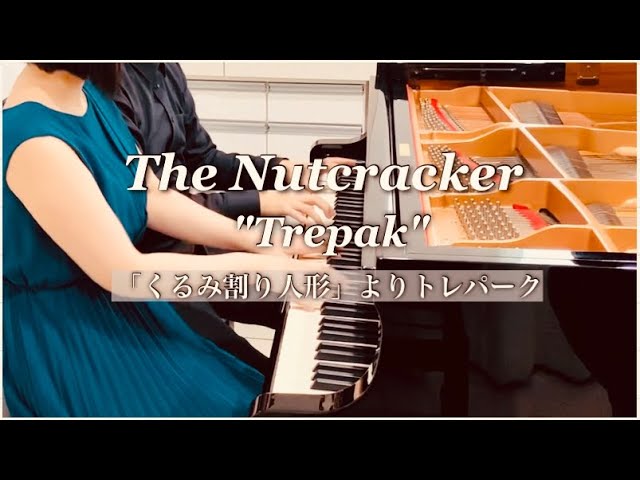
How about the suite The Nutcracker by Pyotr Tchaikovsky? This piece comes from the ballet The Nutcracker.
While the original is known as an orchestral work, there are also scores arranged for piano four hands.
Among those, a particularly popular and dazzling selection is the Russian Dance, or Trepak.
Some people associate it with the movie Home Alone, but the piece used in the film is a different work composed very much in a similar vein with a similar character.
From the very beginning, the music bursts with a lively melody and a sense of drive.
Thanks to its brilliant, joyful character, it’s an excellent recommendation as a duet piece for a recital.

Romanian Folk Dances, Sz. 56Bartók Béla

A piano suite consisting of six short pieces that stands as a representative work by Béla Bartók, who was born in the Kingdom of Hungary and was active as a composer, pianist, and ethnomusicologist.
Composed using folk songs from the kingdom that once governed the region centered on present-day Hungary, it is a work with a strong folkloric character.
Bartók later arranged it himself for small orchestra, and both versions are frequently performed at various concerts and recitals.
It’s an ideal choice for those who want to play something with a different atmosphere from their usual practice pieces or the standard repertoire at a recital.
LibertangoÁstor Piazzolla

Astor Piazzolla, the great Argentine composer known worldwide as a bandoneon virtuoso.
His unique take on Argentine tango, inspired by classical music, continues to be loved not only in his homeland but across the globe.
Among his works, I especially recommend Libertango.
Although it ranks on the higher end of the intermediate difficulty level, it’s a brilliantly impressive piece that sounds fantastic—definitely give it a listen.
Czardas for Four HandsTabuchi Saeko

The piece often considered for advanced players, Csárdás for Four Hands.
It’s a work frequently performed not only as a piano solo or duet, but also on instruments like the violin.
The key to this piece is high-speed legato.
In duets, people tend to focus only on the fingers, but in this work the feet are actually more important than the fingers.
Practice pedaling that connects and sustains the sound through repetition, and for the accompaniment part, drill maintaining a strict sense of rhythm.
It’s a very impressive piece to listen to, so be sure to check it out.
Piano Concerto “Fate”: First MovementSenju Akira
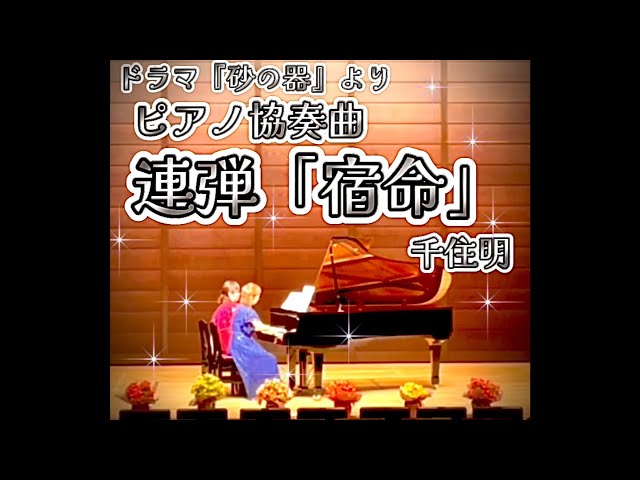
If you’re looking to play a serious piano duet, I recommend Akira Senju’s Piano Concerto “Shukumei” (Fate).
It’s the piece used in the 2004 TV drama adaptation of Seicho Matsumoto’s long mystery novel “Sand on the Shore” (Suna no Utsuwa), starring Masahiro Nakai, a story that has been dramatized multiple times.
As you’ll hear right away, this piece has none of the bright, pop-like feel; as the word “concerto” suggests, it demands a fully-fledged, classical-style performance.
In recent years, more piano teachers have allowed performances of music from games, anime, and dramas, but choosing and pulling off this piece will astonish audiences.
Its character is weighty and imposing, reminiscent of Beethoven.
The technical demands are considerable, so if there’s a pianist who wants to tackle a robust, advanced-level work, this could be a worthy challenge.
It would be wonderful for two players to rehearse deeply and bring a musical drama to life together.