

![[1970s] Collection of Japanese hit songs. Nostalgic masterpieces of Japan](https://i.ytimg.com/vi_webp/BTnVFoe14fs/maxresdefault.webp)

Japanese music in the 1970s saw incredible evolution across folk songs, Showa-era pop, idols, bands, and more.
From among them, we’ll introduce classic Japanese hits that everyone knows and that evoke a sense of nostalgia.
Many of these songs are still featured on music programs today and are covered by various artists—this song and that song alike.
You might use this list to immerse yourself in fond memories.
Of course, it’s also great for discovering something new.
Please enjoy the many massive hits and wonderful masterpieces that colored Japan in those days!
- A collection of nostalgic hit songs and classics from the 70s
- [1970s] Classic and hit songs of Japanese rock that blazed through the dawn era
- [Recommended for people in their 70s] Classic nostalgic hits: A collection of youth songs
- Nostalgic Japanese hit songs from the 1970s: the golden age of idols and kayōkyoku (Japanese pop songs)
- [Japanese Music] A Collection of Heart-Touching Hit Folk Songs from the 1970s
- Debut songs by Japanese male artists from the 1970s
- [Showa Kayō] A roundup of Japanese love songs that hit in the 1970s
- Commercial songs from the 70s. Nostalgic TV commercial jingles.
- Evokes the charm of the good old days. Showa-era inspirational songs that are still loved today.
- Dawn of Japanese Rock: A Collection of Debut Songs by 1970s Japanese Rock Bands
- A roundup of debut songs by Japanese female artists from the 1970s
- Popular Oldies and Classic Songs Ranking: 1970s Japanese Music
- Heart-touching, tear-jerking masterpieces from the Showa era
[1970s] Collection of Japanese Hit Songs: Nostalgic Classics of Japan (1–10)
Journey of the HeartTULIP

A timeless classic that blends gentleness with strength.
Released in 1973 as one of TULIP’s signature songs, it soared to the top of the charts.
The lyrics, reflecting Kazuo Zaitsu’s feelings when he moved to Tokyo, resonate with many.
Accompanied by the warm tones of an acoustic guitar, it portrays the youthful passion for setting out on a journey and seeking freedom.
It was used as the theme song for the TV program “Ninjō Ippon Kokoro no Tabi” and in commercials for the Toyota Carina.
It’s a song that stays close to your heart when you need courage to dive into a new environment or when you’ve gone through a farewell with someone important.
Monkey MagicGodiego

A song inspired by the story of Journey to the West, distinguished by lyrics entirely in English.
The lyrics, which depict the monkey’s birth and his departure for the West, evoke a mythic worldview and a spirit of adventure.
Released in December 1978, it became a massive hit as the theme song for the drama of the same name.
It was also included on the album “Journey to the West (MAGIC MONKEY)” and achieved million-seller status.
This work has long been cherished as one of GODIEGO’s signature songs.
It’s recommended not only for those who want to enjoy a nostalgic classic, but also for anyone seeking a song with an epic, narrative quality.
ChampionArisu

A signature song by Alice that dominated Japan’s music scene in the late 1970s.
With its distinctive fusion of folk and rock, it became their only single to reach No.
1 on the Oricon charts.
The lyrics, said to mirror the figure of boxer Cassius Naito, portray a veteran champion in decline and deftly capture the emotions of someone facing a turning point in life.
The song also drew major attention on television, spending four consecutive weeks at No.
1 on TBS’s “The Best Ten.” Featuring Shinji Tanimura’s powerful vocals and the exquisite harmonies of Takao Horiuchi and Toru Yazawa, this is a track we recommend to anyone standing at a crossroads in life.
Gather the Windhappiiendo
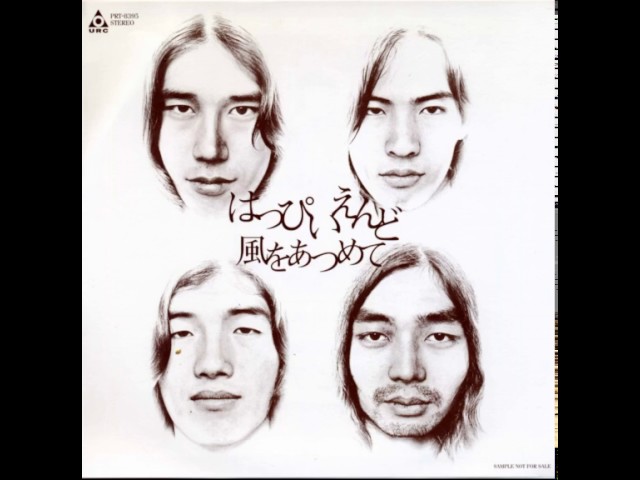
A signature song by Happy End, released in 1971.
Haruomi Hosono’s light, breezy melody and Takashi Matsumoto’s delicate lyrics blend beautifully.
It vividly portrays the feelings of a protagonist strolling along a suburban shoreline, conveying a strong longing for freedom.
Included on the album Kazemachi Roman, the track was also featured in the film Lost in Translation and has been highly acclaimed both in Japan and abroad.
Watching a train run through the fog and wishing to gather the wind and soar into the blue sky—many will surely relate.
It’s a song that captures both a yearning for the city and a spirit of venturing into new musical territory.
youKozaka Akiko

A classic filled with youthful, pure feelings of love.
Akiko Kosaka’s crystal-clear vocals and unforgettable melody are striking.
It won the Grand Prix at the Yamaha Popular Song Contest in 1973 and was released as a single at the end of the same year.
It became a massive hit, topping the Oricon charts for seven consecutive weeks.
She also appeared in the 25th NHK Kōhaku Uta Gassen in 1974.
The ideal family envisioned by the 16-year-old Kosaka must have captured many hearts.
This piece is a song imbued with feelings for a future partner—perfect for those who dream of a happy future.
festivalyoninbayashi

Anyone who cites Yonin Bayashi as a band that thrived in Japan’s rock scene in the ’70s is quite the music connoisseur.
This video is live footage from 1973.
The lineup changed several times, and Masahide Sakuma—who later became a prominent music producer—was among its members.
TECHNOPOLISYellow Magic Orchestra

A signature track by Yellow Magic Orchestra (YMO), who dominated the 1970s music scene with their innovative electronic sound.
Its futuristic cityscape, crafted with synthesizers and drum machines, captivated music fans worldwide as an early pioneer of technopop.
Included on the 1979 album Solid State Survivor, it reached No.
1 on Japan’s Oricon chart and became a major hit, selling over one million copies.
The futuristic musical style and lyrics themed around urban life reflected the era’s optimism about technology.
Foreshadowing the digital age, the song remains as compelling as ever today.