

A classic of Japanese blues. Japanese blues that lets you get drunk on the sound and vocals.

What songs come to mind when you think of the blues?
Originally, it was music born from African peoples who had immigrated to America, beginning with songs that expressed the sorrow and laments of the poor.
Compared to jazz, which is centered on instruments, I think the blues has a special appeal in that you can enjoy it mainly with guitar and vocals.
Japanese blues is very rich in flavor and is perfect for listening to at a relaxed pace!
That groove that makes you drunk on the sound and the singers’ emotive expressiveness—blues moves the heart in every era.
- Classic and popular blues songs to sing at karaoke
- Ranking of popular blues songs
- A collection of enka songs with “Blues” in the title: masterpieces that sing of sorrow
- The Appeal of Japanese Blues Rock: A Collection of Classic Japanese Blues Rock Albums
- Blues masterpieces—from prewar blues to blues rock
- Masterpiece Japanese Blues Albums: Must-Listen Recommendations
- The soul’s cry woven into Japanese elegies: unraveling supreme masterpieces that resonate with the heart.
- Today's recommended ballads: A carefully curated selection of heartwarming, gem-like masterpieces!
- A Japanese blues band. The roots music of contemporary pop.
- [Tear-Jerking] Classic and Recommended Love Ballads
- A classic Japanese song that sings of sorrow
- [Western Music] Classic Blues Rock Songs: A Summary of Recommended Popular Tracks
- [2026] A Collection of Classic Japanese Ballads with a Jazz Flavor
A classic Japanese blues song. Japanese blues to lose yourself in the sound and vocals (1–10)
perfectAzuma Mitsuyoshi & The Swinging Boppers

Azuma Mitsuyoshi & The Swinging Boppers is a group led by Mitsuyoshi Azuma, known as a highly skilled blues singer.
They’re renowned for an authentic sound that rivals blues from overseas and are held in very high regard within the blues community.
Among their songs, the one I especially recommend is Batchigoo.
It’s a track packed with everything great about jump blues, the genre they excel at most.

Yokohama Honky-Tonk BluesEdi Han

Eddie Han, known as an actor and vocalist.
When it comes to his blues classics, isn’t “Yokohama Honky Tonk Blues” the one that comes to mind? It’s a track included on the album Blue Jade.
The song portrays a somewhat lonely scene in Yokohama and a man who wanders through it after losing someone dear.
Notably, it sticks to objective description and doesn’t delve too deeply into the man’s inner state—that restraint is a cool touch.
By the way, the “Original Joe’s” mentioned in the lyrics is a real establishment.

My Dear MarieKubota Makoto to Yūyake Gakudan

A song by Makoto Kubota and Sunset Gang that breathed new life into Japan’s blues scene.
While inheriting the spirit of American blues, it weaves in elements of reggae and Okinawan folk for a distinctive sound.
The lyrics, which capture a bittersweet longing for love, and the nostalgic atmosphere resonate deeply.
Featured on the album “Sunset Gang,” released in October 1973, this track became a key work in defining the band’s musical identity.
It was also performed at the 1977 “Rolling Coconut Revue Japan,” where it reportedly drew a major response.
It’s a perfect song for soothing your heart alone in the quiet of night.
Recommended not only for blues fans but also for anyone interested in the roots of Japanese music.
A classic of Japanese blues. Japanese blues to get lost in the sound and vocals (11–20)
Blues of the Artificial Satellitea flood of circle

While rooted in classic rock music like blues and rock ’n’ roll, the four-piece rock band a flood of circle has been winning support with a fresh sound that also incorporates the latest musical elements.
This track, included on their 10th album “2020,” feels great with its acoustic guitar strumming and crunchy riff.
The arrangement shows influences from Black music, and the gentle melodies spun from a wistful vocal delivery will likely resonate even with listeners who don’t usually listen to blues.
It’s a number I’d recommend not only to blues fans, but also as an entry point into the genre.

Don’t be discouraged, baby.B.B.QUEENS

B.B.QUEENS, the music group that performed the opening theme for the hugely popular anime Chibi Maruko-chan, is best known for its pop tracks.
That said, because the lineup includes Fuyunonsuke Kondo, one of Japan’s premier blues singers, the group also has some distinctly bluesy songs.
Among them, the one I especially recommend is Shogenaide yo BABY.
It’s also well known as the theme song for the popular show Hajimete no Otsukai (My First Errand).
This track blends a cute charm with the cool, gritty edge of the blues.
Be sure to give it a listen.
Gray CityMatsuda Yūsaku
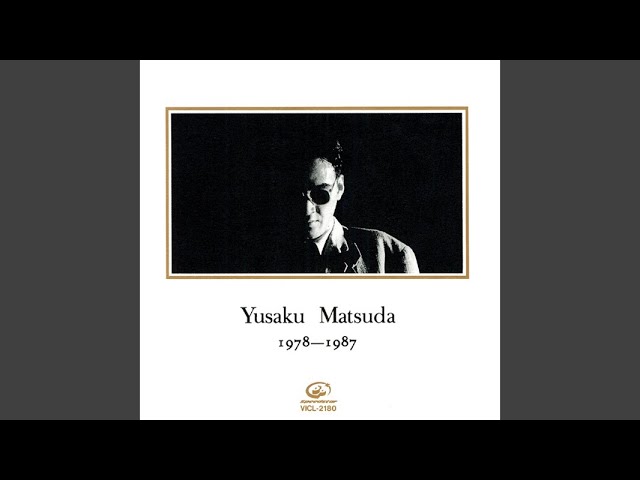
When it comes to classic Japanese blues, many people probably think of “The Gray City.” It’s a track created by Yusaku Matsuda, a legendary Japanese actor and singer, and it appears on the album HARDEST DAY.
The album features songs in various styles, but in terms of ruggedness and masculinity, this one really stands out.
The piece delivers a weighty portrayal of a man who has lost hope, and once you listen, you’ll be drawn into its dapper, noirish world.
Not-So-Much (Kouta)Urufuruzu

A funky, laid-back number that’s quintessentially Ulfuls.
The interplay between the guitar and harmonica is a joy.
That loose, languid vocal style is irresistible, too! Surprisingly, it’s an ultra-short track under two minutes.
The lyrics are so short you’ll memorize them in no time! It once made it onto the iTunes USA blues chart and held the No.
1 spot for a long time.
It has the easygoing vibe of an old-school rock tune, and it would feel right at home playing in a café or similar spot.
