Resonating with the heart! Famous sayings left by great Japanese figures (121–130)
Humans work based on likes and dislikes, not on logic.Soseki Natsume
Natsume Soseki, who flourished as a novelist, is known for leaving behind numerous works such as “I Am a Cat” and “Botchan.” This is a famous quote by that great literary master—who was even featured on the 1,000-yen bill—about how emotions influence our actions.
It suggests that emotions have a greater impact on behavior than what we think in our heads, and that acknowledging this premise when we act can lead to results.
It’s a line that makes us reflect on how to engage with emotion and reason, suggesting that suppressing our own emotions may be affecting our performance.
Right now, both you and I are living in a future that someone risked their life to protect. I believe that, as those entrusted with this era, we have the responsibility to make the Japanese archipelago stronger and more prosperous, and to pass it on to the next generation.Sanae Takaichi
These words express the idea that the present we live in was left to us by those who came before, and that we, like our predecessors, have a responsibility to think about the future.
The line originally appeared in the film “If Only I Could Meet You Again at the Hill Where That Flower Blooms,” and the fact that it was quoted in a public setting suggests a resonance with political convictions.
The phrasing that we are the custodians of our era is striking, and it conveys the notion that history is connected in this way.
It’s a message that prompts us to reflect on how we should live in our time—what our predecessors left behind for us, and what we can do for the future.
Rather than being unable to accept losing, it makes me acutely aware of my own weakness.Sota Fujii
[Sota Fujii’s Famous Quote] ~The Road to Victory~ #shorts
There are times when you work really hard but still don’t get good results.
We tend to judge based only on the outcome, but that also teaches us about our own weaknesses.
Looking at yourself objectively and acknowledging your weaknesses is painful and difficult.
Yet by confronting the opposite extreme and earnestly accepting the true level of his shogi ability, perhaps that’s exactly why Sota Fujii is who he is today.
By the way, it seems he made this statement as a second-year high school student.
It’s a memorable quote that could only come from someone who has been fighting as a professional in shogi since middle school.
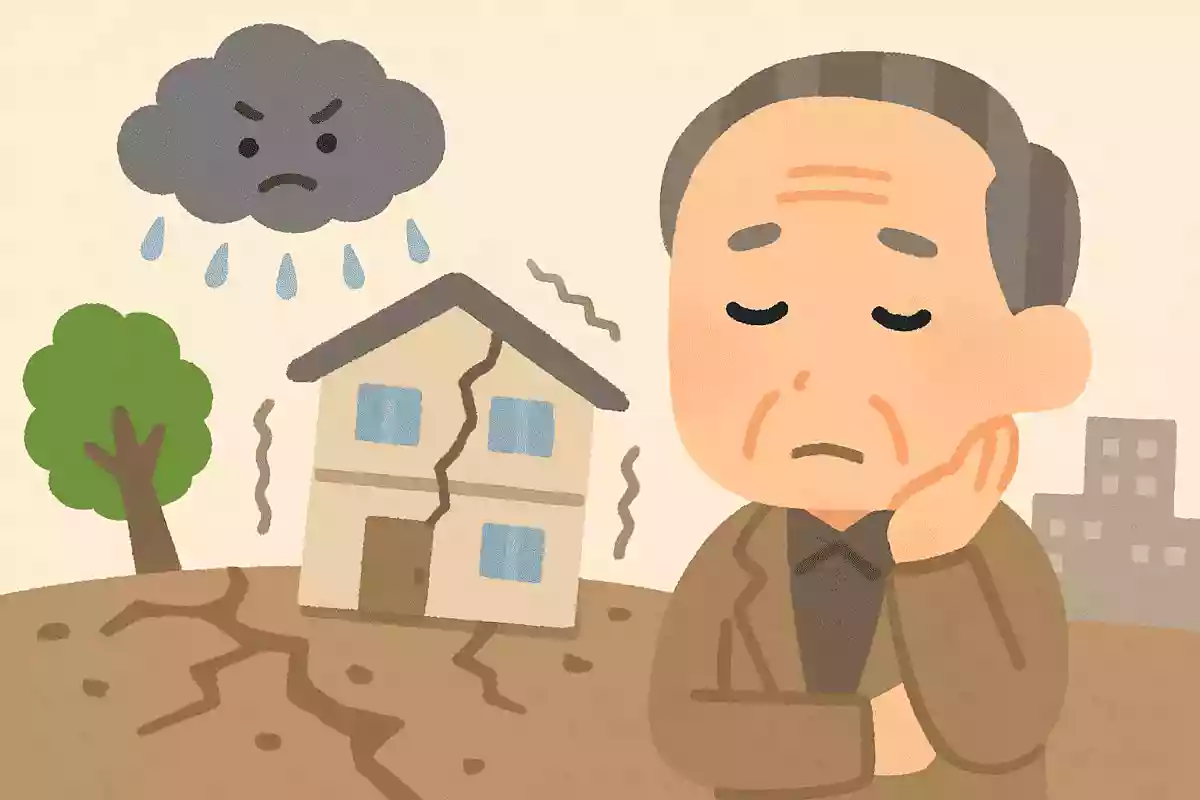
Natural disasters strike when we least expect them.Torahiko Terada
Here is a famous and important saying by Torahiko Terada: “Natural disasters strike when they have been forgotten.” Terada was a Japanese physicist, essayist, and haiku poet.
As a researcher, he was interested in disasters such as fires and earthquakes, and it is said that after the 1923 Great Kanto Earthquake, he became even more deeply engaged with the subject.
This quote reminds us that the peaceful passing of everyday life without incident is not something to be taken for granted.
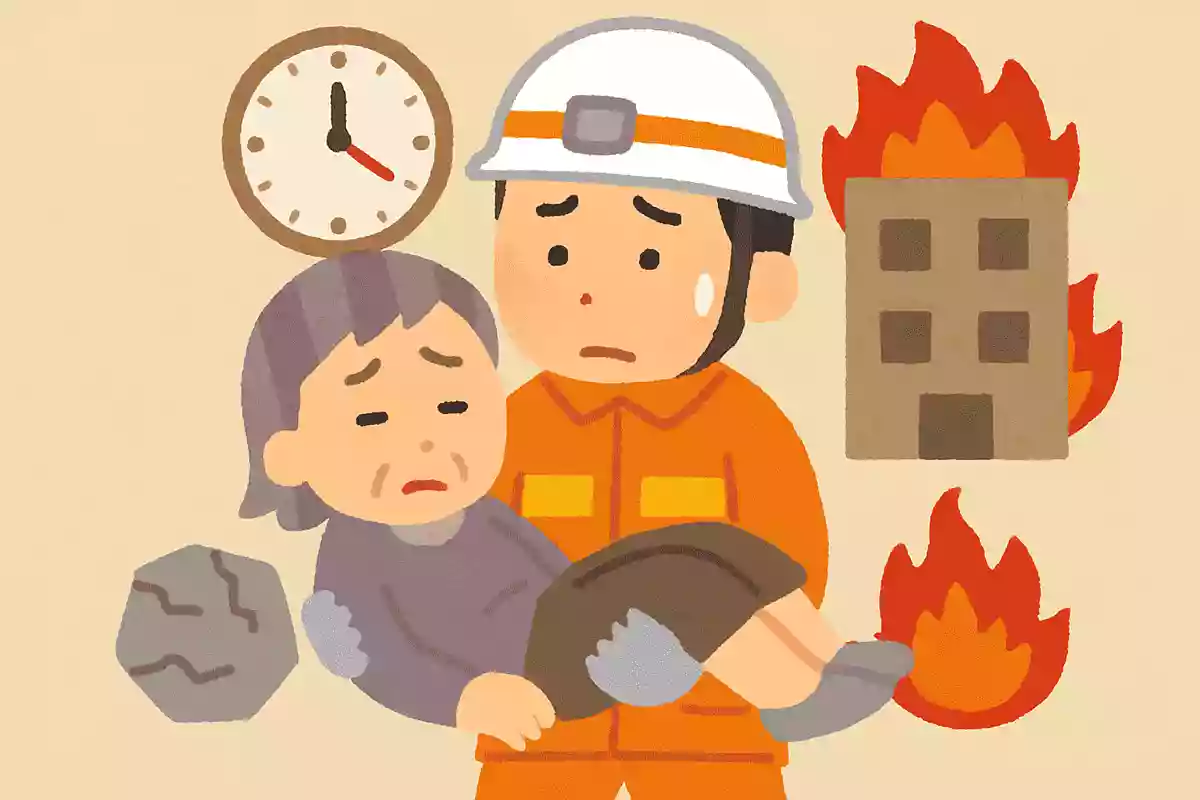
If we were just one minute earlier, we could save one more person.Calvin Coolidge
Let me introduce a powerful quote from Calvin Coolidge: “If you are one minute early, you can save one more person.” Calvin Coolidge was an American politician who also served as President.
This saying—“If you are one minute early, you can save one more person”—was apparently an American firefighting slogan that was introduced to Japan when the American Red Cross used it in 1923 (Taisho 12) to appeal for aid following the Great Kanto Earthquake.
These powerful words that crossed the ocean truly strike a chord, don’t they?
There are no coincidences in life. Don’t run away by blaming others or luck—let’s keep building our strength little by little.Kazu Miura
These are words from Kazu Miura that convey the idea that the difficulties we face in life are not a matter of chance or luck, and that it’s important to always be prepared.
They express the belief that if we recognize that everyone is destined to face hardships and build up our strength for them, we can overcome any challenge.
There’s also a message that blaming luck or others won’t lead to true strength, so it’s vital to accept reality and keep moving forward.
These words also reveal a determination to stay true to oneself and press on with strength, no matter the circumstances.
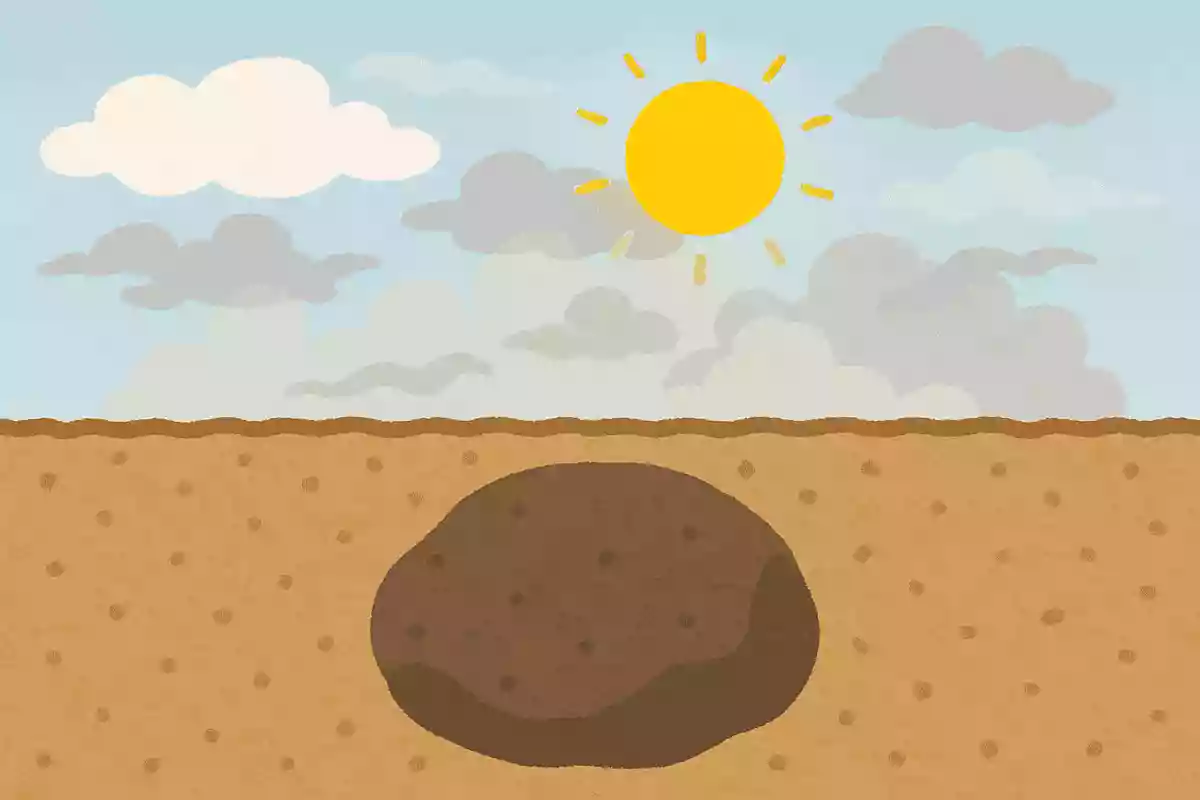
Beneath mud and earth lies solid rock; above clouds and mist shines the sun. At the height of discontent, there is still fortune, nor is hope absent.Kanzo Uchimura
I would like to introduce a famous saying by Kanzo Uchimura: “Beneath the mud lies bedrock; above the clouds and mist shines the sun.
Even at the height of complaint, happiness and hope are not absent.” Kanzo Uchimura was a Christian thinker active in the Meiji era.
Disasters can bring many hardships.
At such times, Uchimura left words he hoped we would remember.
It is said to mean that even when times are painful and difficult now, a stable and bright future surely awaits beyond.
He likens difficult situations to mud, and the bedrock represents the strength within us that lies beneath these serious problems.
Furthermore, he tells us that even when we feel or voice complaints, happiness and hope still exist.
Life brings all kinds of experiences, doesn’t it? Even so, we are reminded of the importance of maintaining a positive outlook.
These are the words of Akio Tadano, who ran a ryokan in Ofunato, Iwate Prefecture—words about moving forward with a positive spirit even in the face of hardship.
At the time, many interviews carried a heavy sense of gloom and featured questions that stoked anxiety, which is why the fact that he delivered these words with a smile drew so much attention.
They convey a powerful hope amid uncertainty—the sense that by keeping on and not standing still, a new path will open.
The impression is further strengthened by the fact that Mr.
Tadano actually rebuilt his ryokan, embodying the importance of facing forward, just as he said.