

Heartfelt! Inspiring Quotes Left by Great Figures of Japan

Various great figures who built Japan have left behind numerous famous sayings.
These quotes sometimes resonate with people living in the present and can serve as guideposts when moving things forward.
In this article, we introduce inspiring quotes left by those known as great figures of Japan.
We have gathered quotes from a variety of fields, including historical figures, people who supported major corporations, athletes, and entertainers.
Among the quotes we present, you may find a hint that clears your mind.
Be sure to check them out!
- Quotes from great figures that give us the power to live
- Recommended as life tips! A collection of short, memorable quotes from great figures
- A collection of quotes from people of the past: messages from famous military commanders and great figures of the world.
- Just remembering them fills you with courage! Striking quotes that touch the heart from great figures and famous people
- If you know them, they might become beacons that light your life’s path: a collection of memorable quotes.
- Quotes from professional baseball players: words that pierce the heart, filled with effort and passion
- Words I want to make my motto that always inspire me
- Guaranteed to move you! Memorable words by great figures and famous people.
- Short quotes that reach your heart in an instant. Words to encourage you right now.
- Gives you the power to overcome entrance exams! Short quotes by great and famous people.
- Words from famous people that I’d like to adopt as my motto. Inspiring quotes that convey the power of words.
- Short precisely because it sticks in your heart: witty, chuckle-worthy one-liners and quotes
- Short quotes that resonate with the heart. Words that reach you effortlessly.
Resonating with the Heart! Famous Quotes Left by Great Figures of Japan (21–30)
As you stretch yourself to broaden your horizons, it’s possible you’ll actually grow taller. That’s part of what makes life interesting.Saburō Shiroyama
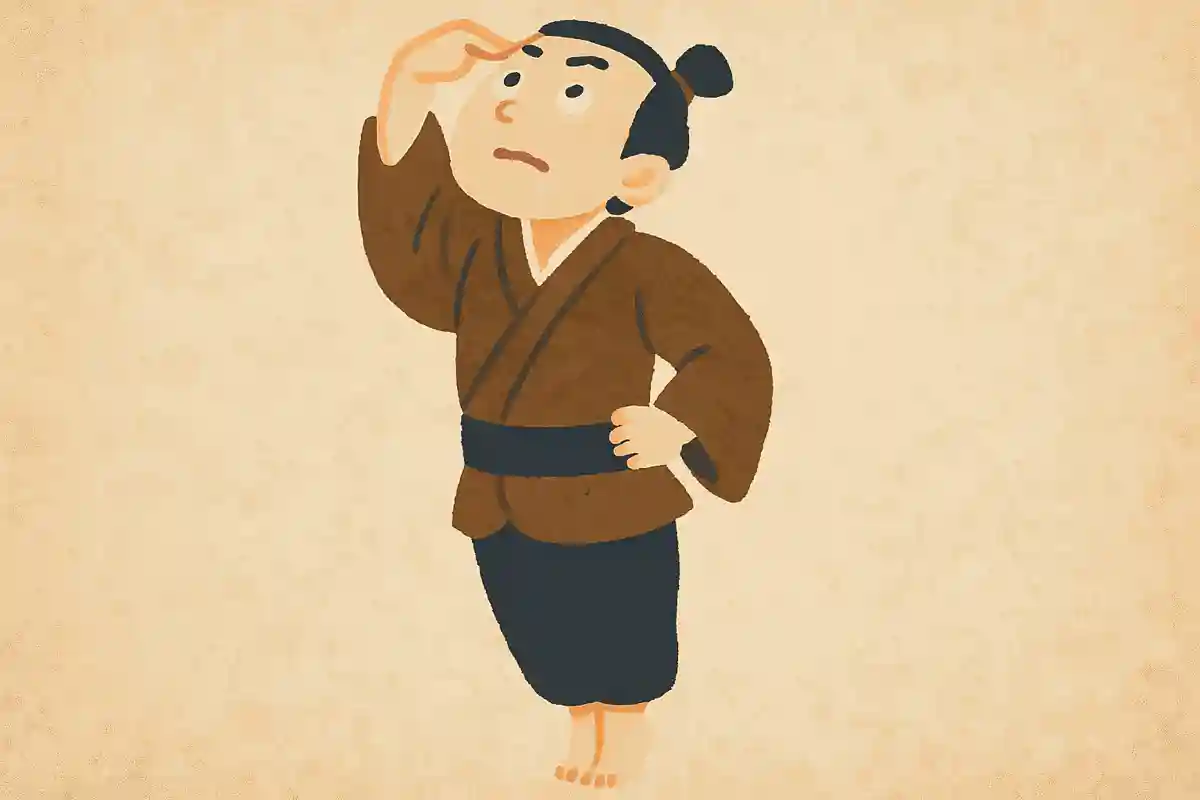
This quote left by the novelist Saburō Jōyama teaches us the importance of taking on challenges.
Don’t you sometimes find yourself thinking with a narrow perspective? It’s easy to let yourself be carried along without broadening your view or attempting anything new.
But if you widen your perspective just a little, you may realize that what you face is easier to overcome than you thought.
When you stretch yourself to take on a challenge, you begin to see a different landscape—as if you’ve actually grown taller.
When you want to take that first step, remember these words.

We came in with the resolve that even if we can realize just one or two policies that benefit the people, we will take all the criticism ourselves.Yuichiro Tamaki
@riyo_meigen [Yuichiro Tamaki of the Democratic Party for the People, street speech] There are people who are truly fighting in politics for the sake of the citizens.National Democratic PartyYuichiro TamakiTranslationTranslationJob hunting
♬ Brilliant heartwarming piano solo(1543262) – Noru
You can often feel the passion in Mr.
Tamaki’s messages, can’t you? A lack of interest in politics and distrust toward it are feelings that many citizens likely share today.
In that context, Mr.
Tamaki seeks to face the public head-on.
His words convey a genuine commitment to “politics for the people.” He has also clearly stated, “If it benefits the people, we will accept and confront criticism of our actions.” Listening to his passionate message makes you feel that Japan really might change.

Resonates with the Heart! Famous Quotes Left by Great Japanese Figures (31–40)
I think achieving policy goals is more important than holding a ministerial post.Yuichiro Tamaki
@seiji_no_heya Yuichiro Tamaki’s quote: “What matters more is achieving policy.” House of Representatives Election 2024Yuichiro TamakiDemocratic Party for the People
♬ original sound – Politics Room – Politics Room
If you are always thinking about the people and acting accordingly, perhaps titles and positions aren’t necessary.
Japan faces many issues, such as those related to the economy and the environment.
Simply thinking about how to solve them and taking action requires tremendous effort.
Moreover, becoming prime minister requires strong leadership.
Election campaigning and building networks are also likely to be important.
If such activities consume your time, choosing to do what benefits the people seems like a reasonable decision.
His lack of hesitation, refusal to be swayed by those around him, and steadfast convictions may be what make him so appealing.
Nation-building begins with people-buildingYuichiro Tamaki

Yuichiro Tamaki is also committed to improving the current circumstances faced by the children who will lead Japan’s future.
One of the Democratic Party for the People’s policies is that nation-building begins with people-building.
This policy reportedly declares increasing investment in people and tax exemptions for young people.
It proposes making education compulsory from age three and strengthening its quality, reducing or exempting income and resident taxes for working youth, and easing the burden of student loan debt.
Furthermore, it incorporates measures to improve the increasingly serious problem of bullying.
Seeing Mr.
Tamaki deliver a passionate message on bullying leaves a strong impression of how much he values people.
What we truly need is the courage to stand up for someone.Taro Yamamoto

These are words that appeal to a politician’s core conviction: wanting every citizen to feel happiness and acting to make that happen.
They speak about mustering the courage to act for someone else’s sake and moving forward with strong resolve as what matters most.
The message applies not only to politics but also to everyday life, teaching the importance of compassion and the courage to take the first step.
It also conveys a call to turn a chain of compassion into a powerful force.

No matter how tough the situation, in the end the only thing that supports you is your ‘aspiration’ (your guiding purpose).Sanae Takaichi
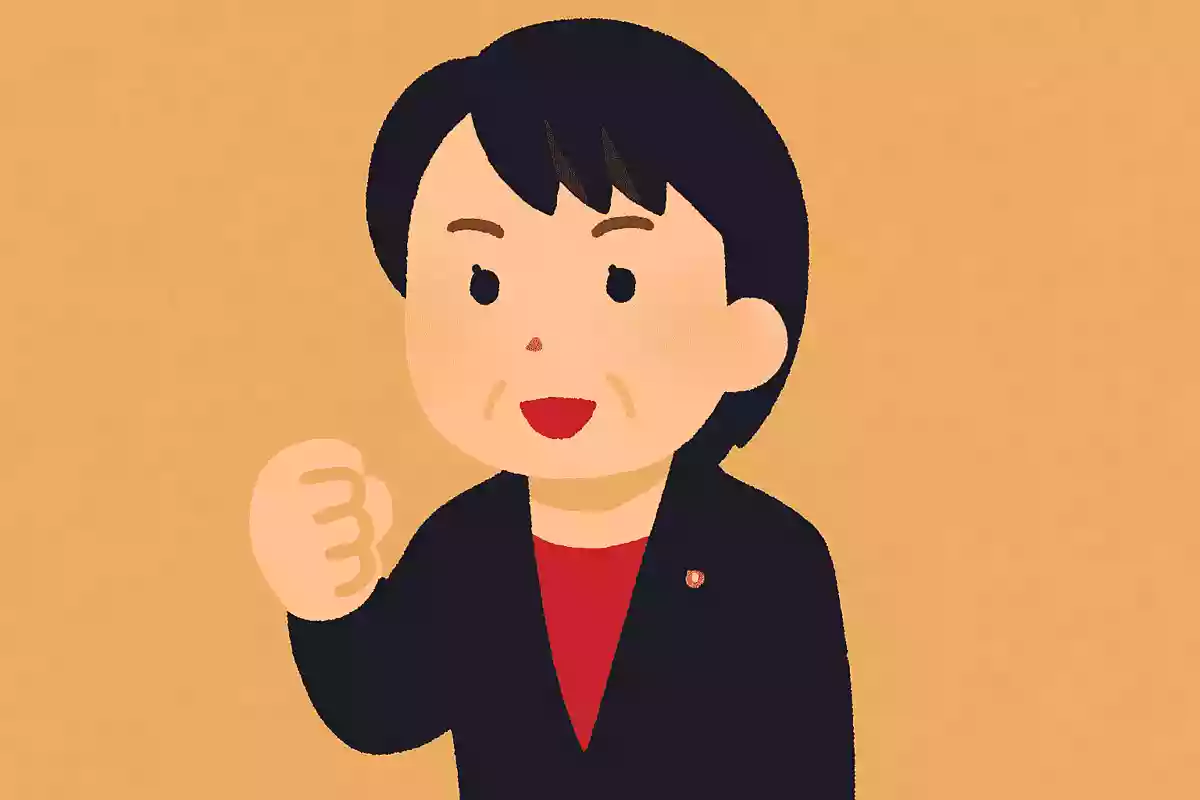
These words express the idea that politicians should move forward with conviction, and that it is precisely that aspiration which gives them the strength to face hardships.
When you consider that they likely come from someone who has been a politician for a long time and experienced difficulties, you can sense how strong their resolve must have been.
Conversely, it can also be read to mean that politicians without conviction cannot endure, so their years of activity may reflect the strength of their convictions.
It also makes you want to pay attention to what kind of aspiration it was that gave them the power to overcome so many struggles.
Do what you can, and then just worry quietly in your heart about the rest. Things will only turn out the way they’re going to anyway.Katsu Kaishū
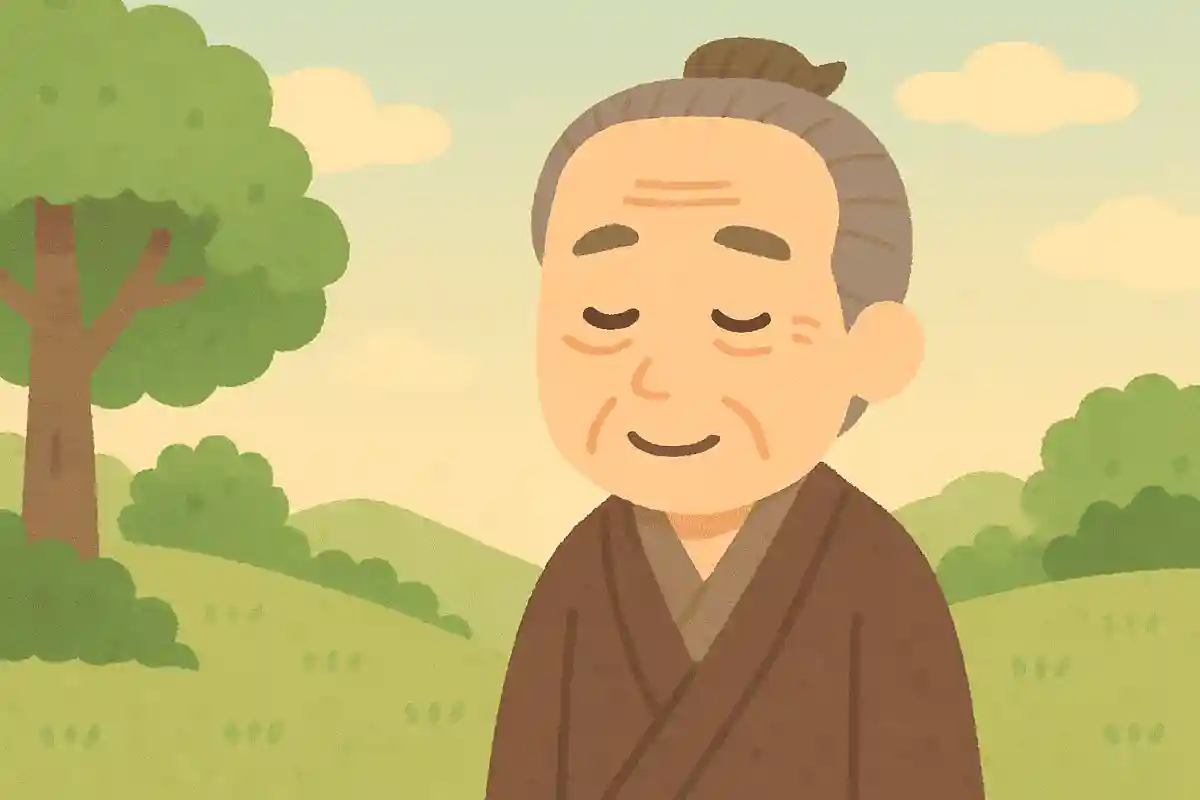
After you’ve given everything you’ve got, all you can do is hope for success.
As Katsu Kaishū’s famous saying teaches, if there’s nothing more you can do, you just have to stay calm and let things take their course.
Being able to do that comes from having done all you can and having no regrets about the time you’ve spent.
Being able to feel that way is itself a kind of success, and an experience you need.
If you can say you’ve poured out all the strength you have, be proud of yourself no matter the result.
