

Heartfelt! Inspiring Quotes Left by Great Figures of Japan

Various great figures who built Japan have left behind numerous famous sayings.
These quotes sometimes resonate with people living in the present and can serve as guideposts when moving things forward.
In this article, we introduce inspiring quotes left by those known as great figures of Japan.
We have gathered quotes from a variety of fields, including historical figures, people who supported major corporations, athletes, and entertainers.
Among the quotes we present, you may find a hint that clears your mind.
Be sure to check them out!
- Quotes from great figures that give us the power to live
- Recommended as life tips! A collection of short, memorable quotes from great figures
- A collection of quotes from people of the past: messages from famous military commanders and great figures of the world.
- Just remembering them fills you with courage! Striking quotes that touch the heart from great figures and famous people
- If you know them, they might become beacons that light your life’s path: a collection of memorable quotes.
- Quotes from professional baseball players: words that pierce the heart, filled with effort and passion
- Words I want to make my motto that always inspire me
- Guaranteed to move you! Memorable words by great figures and famous people.
- Short quotes that reach your heart in an instant. Words to encourage you right now.
- Gives you the power to overcome entrance exams! Short quotes by great and famous people.
- Words from famous people that I’d like to adopt as my motto. Inspiring quotes that convey the power of words.
- Short precisely because it sticks in your heart: witty, chuckle-worthy one-liners and quotes
- Short quotes that resonate with the heart. Words that reach you effortlessly.
Resonating with the Heart! Memorable Quotes Left by Great Figures of Japan (51–60)
If you don’t want to make an irreparable major mistake, you must not fear failing early.Hideki Yukawa

Hideki Yukawa, the theoretical physicist who became the first Japanese laureate of the Nobel Prize in Physics, established the meson theory and left a significant mark on the history of Japanese science.
These words help untangle the hearts of those who become unable to take a step forward because they focus only on avoiding failure.
April, when many people start a new chapter in life, is a time when it’s easy to feel uneasy in unfamiliar environments, but small failures are valuable ingredients for growth.
Precisely because we stumble early, we can correct our course and choose a better path.
This is a famous quote that teaches the importance of embracing challenges without seeking perfection.

It wasn’t by chance that we made it back alive. This is our mission.Sandwich Man
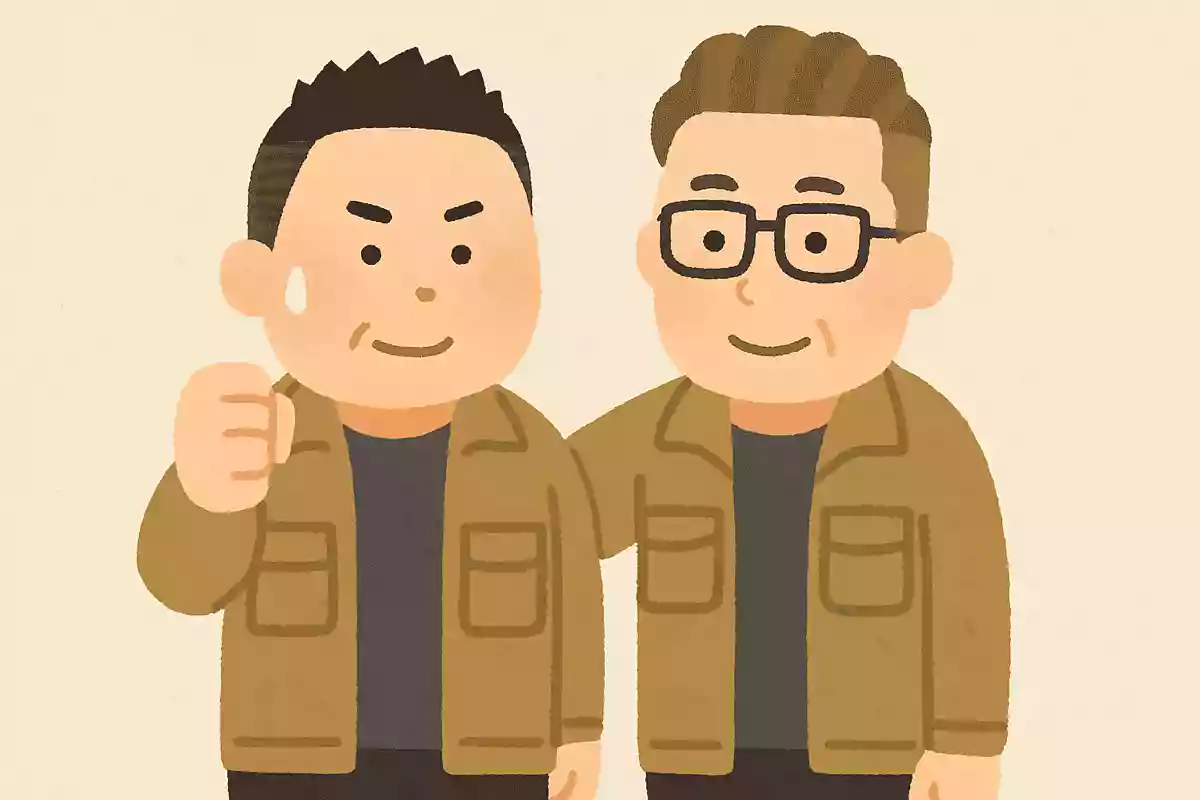
These are words from Sandwichman, a comedy duo from Sendai, that express a determination to keep moving forward.
The key point is that at the time of the Great East Japan Earthquake, they happened to be in Kesennuma, Miyagi—one of the disaster areas—while filming a TV show.
They convey what it means that they survived: being alive in that place was both fate and a mission, and they believe they are called to walk forward and pass on the story to the future.
You can feel their love for their hometown and their resolve to carry it on their shoulders as they move ahead.

Even when life doesn’t go well, it’s sometimes necessary not to blame yourself too much and to think that society is at fault.
These words teach us the importance of not blaming ourselves too much and of paying attention to problems in social structures and the environment.
For example, there are young people who want to become full-time employees but have few job openings and are forced to work in non-regular positions or for low wages.
There are also situations where tuition and housing costs are so high that people can’t pursue their dreams.
If we only think, “It’s because I didn’t try hard enough,” we can be crushed by the logic of personal responsibility.
What matters is recognizing the issues in society and its systems, speaking up, and calling for improvement.
These words convey the message that, in addition to individual effort, it’s necessary to adopt a perspective that reexamines fairness and the broader environment of society in order to make our lives and futures better.

It begins with courtesy and ends with courtesy. More than the joy of victory, we value honoring the defeated. That is the way of sumo.Chiyonofuji Mitsugu
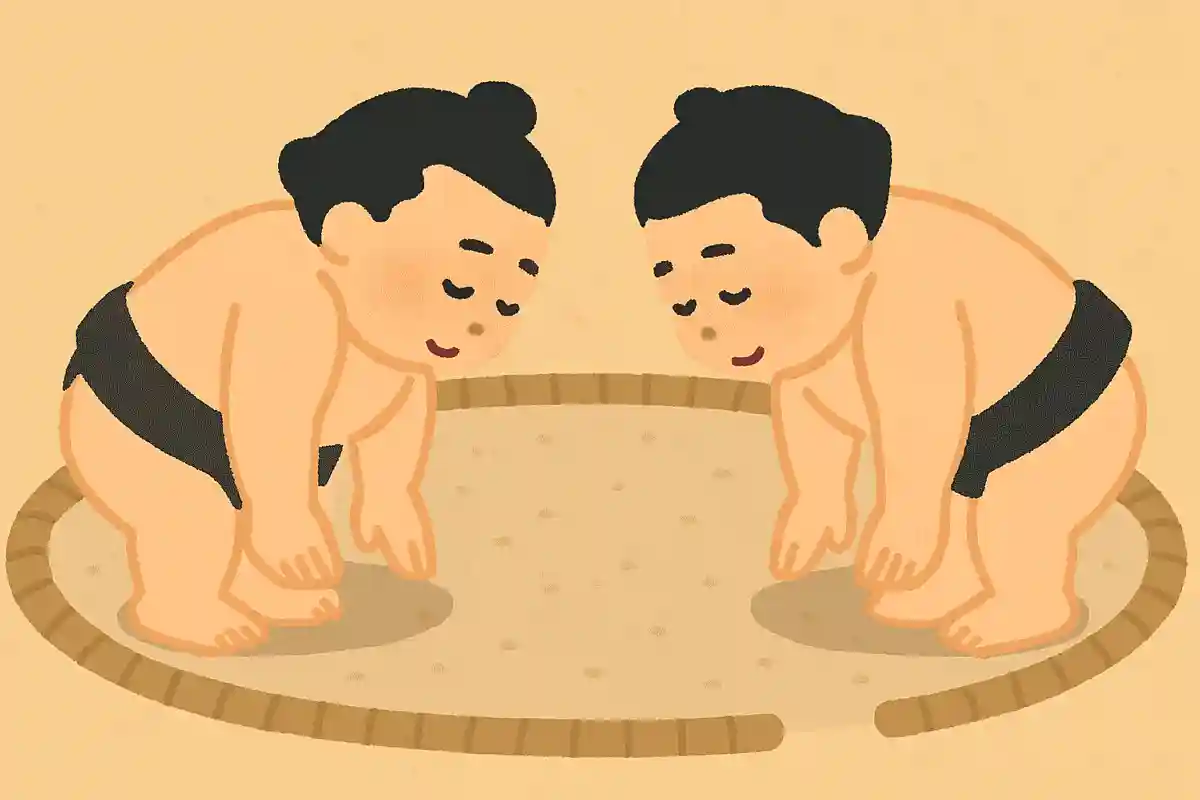
Chiyonofuji says that those who are called first-rate should be humble.
His words may well be a saying that leads to such a way of thinking.
When we seize victory, anyone would be filled with joy.
But even then, we must not forget compassion and courtesy toward the defeated.
A match is decided in an instant; it wouldn’t be strange for either side to win or lose.
And those standing on the dohyo are people who love the same sumo.
It is precisely when we win that we should act humbly, praise the loser’s valiant effort, and express our gratitude.

Resonates with the heart! Memorable quotes left by great figures of Japan (61–70)
The mental strength to endure—to dig in with “One more step!” the very moment you think “I can’t go on”—cultivates an unbeatable power to overcome anything.Taihō Kōki
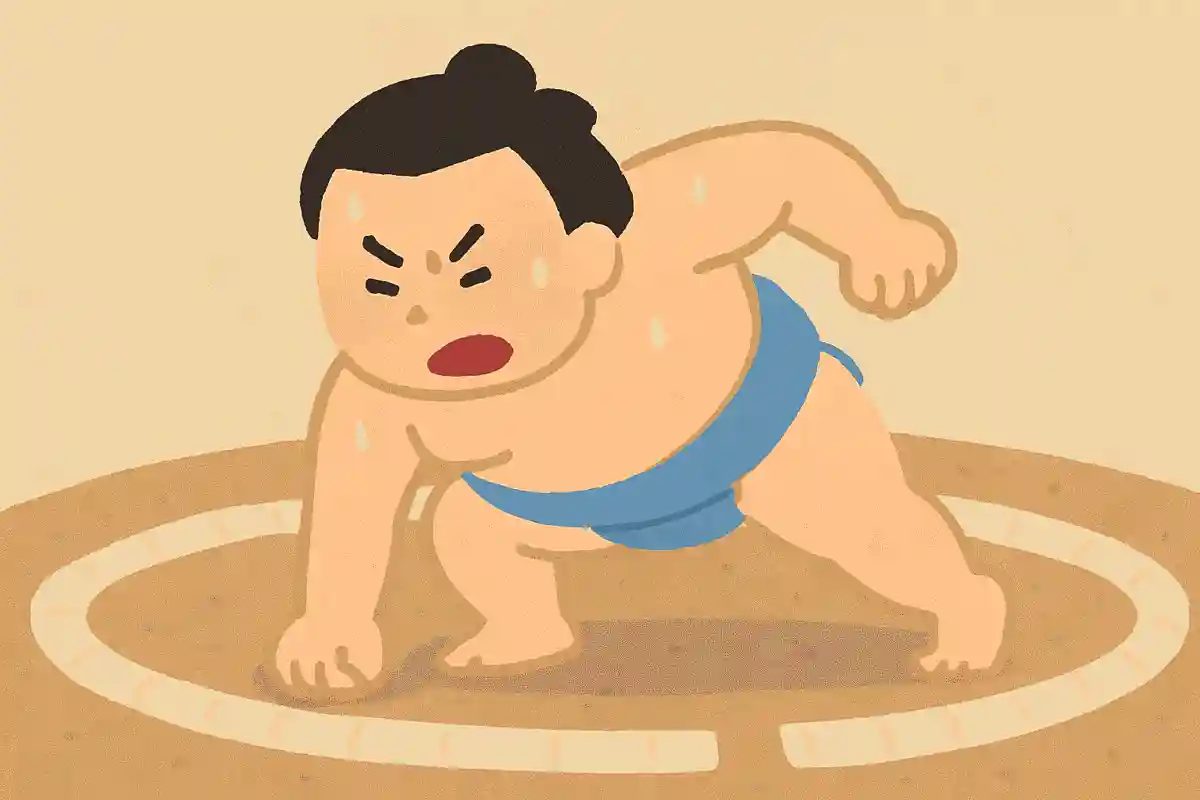
In the world of competition, you either win or lose.
In sumo, that contest can be over in an instant.
In such moments, there are times when you feel it’s all over.
But through this famous quote, Taiho teaches us that what matters is what comes next.
If you can take just one more step when you think you can’t, if you can endure, the moment that leads to victory may arrive.
A strong heart that never gives up, no matter the circumstances, is the key to drawing victory closer.
It’s a quote to remember especially when you’re in a do-or-die, on-the-edge situation.
Sumo is something you learn by losing. There’s no sumo you learn by winning anywhere.Asashōryū Akinori
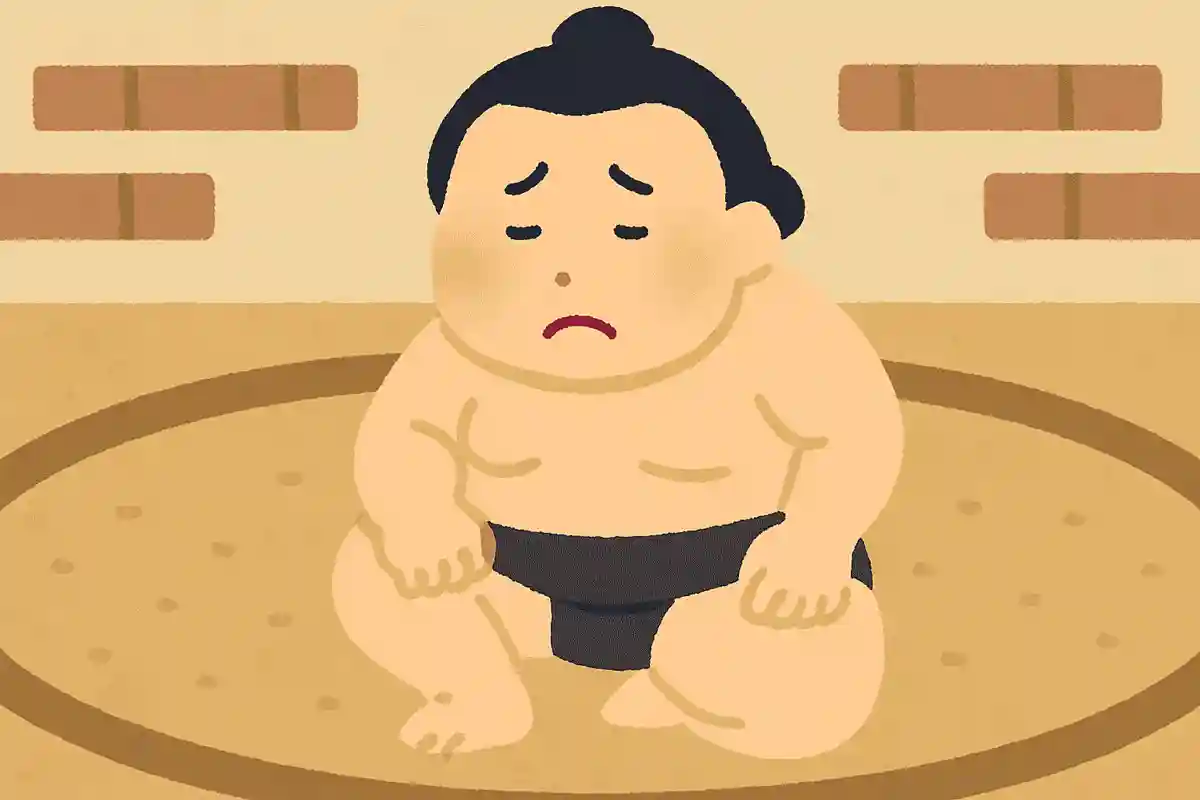
Because these are the words of Asashoryu—who holds a top-division record of 596 wins, 153 losses, and 76 absences—they truly resonate.
Winning is something to be proud of, but perhaps what we really need when we reexamine ourselves and break out of our shell is “defeat.” It’s precisely because we feel the sting of losing that we gain lessons, and it’s those lessons that enable us to grow.
Even when you win, rather than simply rejoicing, ask yourself if there wasn’t more you could have done… By thinking that way, your victories, too, may become invaluable experiences.
I will strive every day, believing that a day will come when we can say that this experience also had great significance.Hakuho Sho
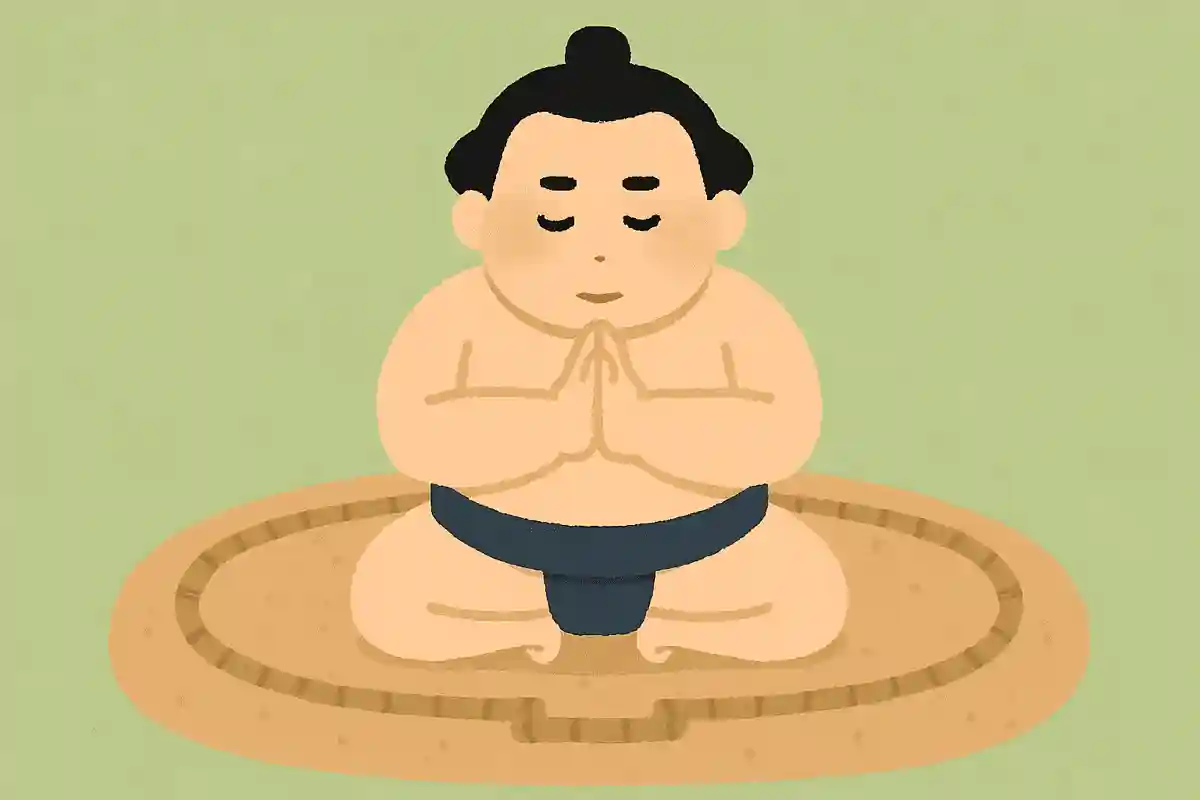
The yokozuna Hakuho canceled the press conference he had scheduled for the day after winning the championship on the final day.
His reason was consideration for his wife.
Their fourth child, who had been on the way, had a heartbreaking outcome, and his wife was deeply hurt at the time.
If he held the press conference under those circumstances, he would surely be asked about the child, which would only add to her distress—so he chose to cancel.
The quote in question expresses Hakuho’s feelings about that sad event.
Though the sorrow can never truly heal, many may find encouragement in his forward-looking attitude born from his deep love for his wife and child.