Resonating with the Heart! Famous Quotes Left by Great Figures of Japan (141–150)
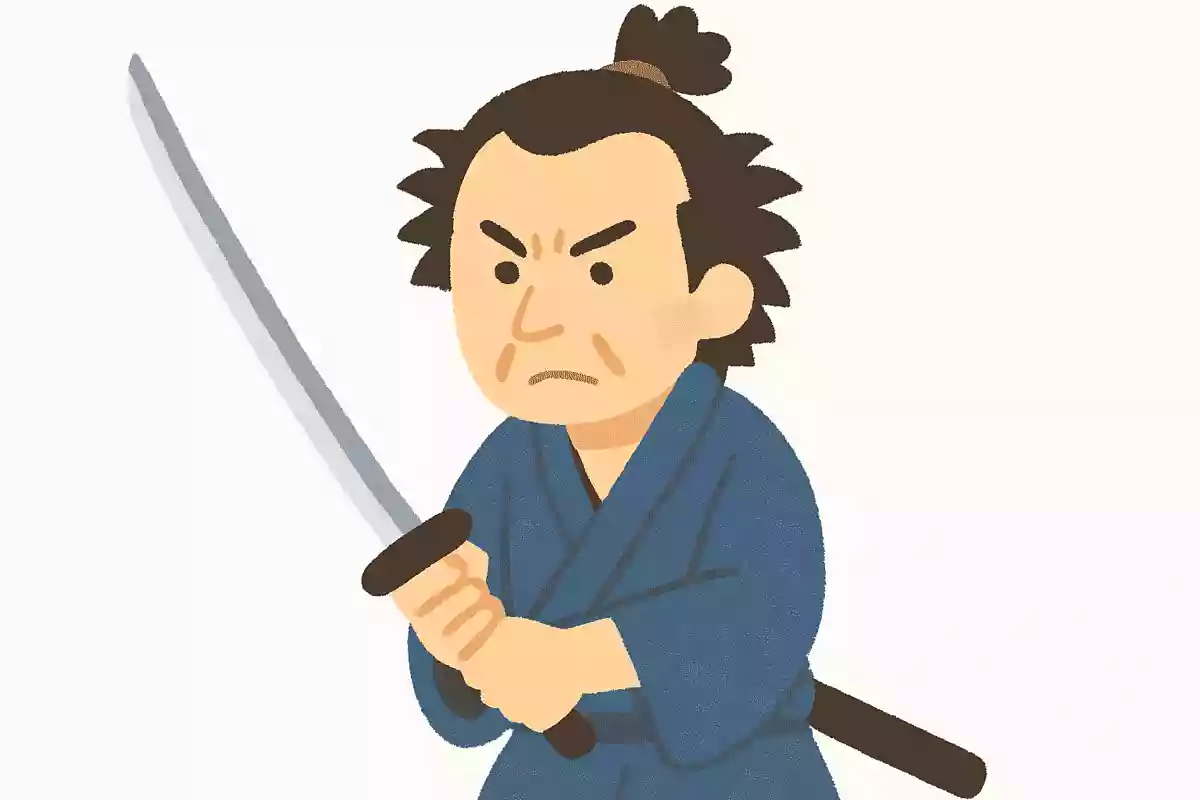
In the Way, one thinks without shunning death.Miyamoto Musashi
Miyamoto Musashi can be called a master who perfected the way of the sword, and among his famous sayings is this: one must not fear death in the pursuit of one’s own path.
I imagine that many of you reading this have, even if not on such a grand scale, tried to stick to some path or conviction of your own.
Musashi tells us that in such times, it is vital to throw yourself into it with everything you have, to see it through and master it.
Doing so helps a person grow and elevates that path into something more noble.
Learning is a kind of experience, and experience is also a kind of learning.Eiichi Shibusawa
This famous quote is by Eiichi Shibusawa—known as the “father of Japanese capitalism” and a leading Japanese industrialist whose life was portrayed in the historical drama Reach Beyond the Blue Sky.
It tells us that studying itself is an essential life experience, and that any experience we have can lead to learning.
Even if you don’t like studying, try to tackle it with the belief that it will one day become a valuable experience that connects to something meaningful.
And whether it’s sports, art, or anything else, if you feel like trying it, keep giving it a go!
It is the heart that makes a world without amusements into an interesting one.Shinsaku Takasugi
These are famous words known as the death poem of Takasugi Shinsaku, a samurai activist at the end of the Edo period.
It is said that Takasugi composed the first half of the poem, while the second half was written by Nomura Boto-ni, who was nursing him.
The first half means “to make a dull world interesting,” and the second half conveys that “one’s mindset is essential for living.” From this saying, we can sense the message that whether we can live a rich life depends on ourselves.
It’s a wonderful message that resonates across time.
It’s not that there are inherently interesting jobs. There are only people who make their jobs interesting.Hiroshi Mikitani
Here is a quote by Hiroshi Mikitani, the founder of Rakuten Group.
His words convey that it’s we ourselves who decide that “work is boring,” and that with the right mindset, we can turn it into something enjoyable.
He also adds, “No matter what the job is, as long as you have a sense of purpose, you can enjoy it.” If you keep Hiroshi Mikitani’s many work-related quotes in mind, your motivation for work will rise.
It may be important to let go of the belief that work is dull and to keep making efforts with a fresh attitude at all times.
If all you do is state the obvious, you’ll only achieve obvious results.Hidetoshi Nakata
Hidetoshi Nakata, who made his mark on the world stage as a footballer, is remembered as one of Asia’s greatest players thanks to his many achievements.
Here is a quote from that legendary player that speaks to the importance of innovation and having a mindset of your own.
He tells us that if your thinking and actions are ordinary, even success will yield only ordinary results; to achieve something truly great, you need ideas and moves that no one else would even consider.
These words give us courage to move beyond conventional thinking and take on the challenge of seeing how far we can expand our own unique ideas.
The most important things for humans are love and humanity.Chiune Sugihara
Chiune Sugihara, who served as a consular official and diplomat, is also called the “Schindler of the East” for saving refugees during the war.
This is a quote about love for others that conveys the mindset of this great person who strove to help those in suffering.
It expresses a gentle yet powerful belief that treating others with love is the natural duty of a human being and should take precedence over all else.
While love is placed first here, these words also prompt us to consider the importance of firmly holding to one’s own sense of righteousness and putting it into action.
Everything in the world is formed by relationships of cause and effect.Eiichi Shibusawa
Eiichi Shibusawa was a Japanese entrepreneur who appears on the 10,000-yen banknote.
Over the course of his life, he founded numerous companies, including what is now Mizuho Bank and the Tokyo Stock Exchange, earning him the title “the father of modern Japan’s economy.” Let me share one of his famous quotes.
It is followed by the words, “Therefore, it is impossible to try to change only the result while ignoring the cause.” Knowing this quote might help you stay calm when you face a problem and motivate you to look for the cause with a positive mindset.
We introduced some moving quotes left by great figures of Japan—how did you find them? There were many sayings that made you suddenly realize something or lifted your spirits. If you found a favorite quote, be sure to engrave it firmly in your heart’s notebook!