

Classic and hit kayōkyoku songs from the nostalgic 1960s
The 1960s are often remembered for Group Sounds and rock, but in reality, the charts were largely dominated by kayōkyoku (Japanese popular songs).
It was also still a time when enka remained popular, and even those who were children back then probably have a rich repertoire of enka and kayōkyoku.
This time, we’re spotlighting nostalgic kayōkyoku from the music of the 1960s.
The 1960s were an era when classic, mainstream kayōkyoku drew the most attention.
If you’d like to look back on memories from that time through music, be sure to read this article to the end.
Playlist
| Classic and hit kayōkyoku songs from the nostalgic 1960s | |||
|---|---|---|---|
| show_chart | Title | Playlist | Review |
| 1 | Isn’t it fine as long as you’re happy?Sara Naomi |  play_arrow play_arrow | Naomi Sagara’s famous song, the first Grand Prize won by a woman |
| 2 | In the pouring rainWada Akiko |  play_arrow play_arrow | Akiko Wada’s breakout work, a classic that sings of the pain of heartbreak |
| 3 | school daysPegī Hayama |  play_arrow play_arrow | A signature song about Peggy Hayama’s memories from her school days |
| 4 | Scat at DawnYuki Saori | 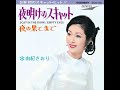 play_arrow play_arrow | Yuk Saori’s classic song that expresses the beauty of dawn |
| 5 | Isezakicho BluesAoe Mina | 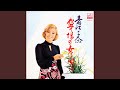 play_arrow play_arrow | Mina Aoe’s smash hit song themed around Yokohama |
| 6 | Just as there are stars in the skyAraki Ichiro |  play_arrow play_arrow | Araki Ichirō's signature song has been loved for a long time. |
| 7 | Always keep your dreamsHashi Yukio, Yoshinaga Sayuri |  play_arrow play_arrow | Introduction of the song that won the 1962 Japan Record Award |
| 8 | A woman aloneDyūku Eisesu |  play_arrow play_arrow | A song that expresses heartbreak through the scenery of Kyoto |
| 9 | Blue ChateauJakkī Yoshikawa to Burū Komettsu |  play_arrow play_arrow | Blue Comets' signature song award |
| 10 | Little Finger MemoriesItō Yukari |  play_arrow play_arrow | Yukari Ito’s singing career and romances in her younger days |
| 11 | Slave of LoveOkumura Chiyo | 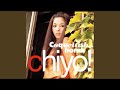 play_arrow play_arrow | Okumura Chiyo’s signature song becomes a big hit |
| 12 | The flowers were late.Miki Katsuhiko | 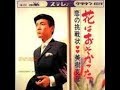 play_arrow play_arrow | A sad song mourning the death of a loved one |
| 13 | Cute flowerZa Pīnattsu |  play_arrow play_arrow | The Peanuts' debut song, Little Flower |
| 14 | ReunionMatsuo Kazuko |  play_arrow play_arrow | A poignant classic about yearning to reunite with a distant lover |
| 15 | When the Acacia Rain StopsNishida Sachiko |  play_arrow play_arrow | Introduce Sachiko Nishida's signature songs |
| 16 | Thank you, night fog, again tonight.Ishihara Yūjirō |  play_arrow play_arrow | Yujiro Ishihara’s classic song of love in the night mist |
| 17 | Applause for loveKomadori Shimai | 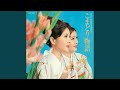 play_arrow play_arrow | A nostalgic 1960s kayōkyoku song expressing the joys and pains of love |
| 18 | Forever and everZa Sabeji |  play_arrow play_arrow | A nostalgic classic by The Savage. A universal theme singing of feelings for a lost lover. |
| 19 | So sad I can’t bear itZa Fōku Kurusedāzu |  play_arrow play_arrow | Introduction to iconic songs representing Japanese folk music |
| 20 | In Search of Love and DeathAoyama Kazuko |  play_arrow play_arrow | A classic of love and death, Kazuko Aoyama’s signature work |
| 21 | Dream GuideYamaguchi Momoe |  play_arrow play_arrow | Momoe Yamaguchi’s “Yume Saki Annainin” is easy to sing. |
| 22 | You are my very lifeMizuhara Hiroshi |  play_arrow play_arrow | Released in 1967, a love song characteristic of the Showa era |
| 23 | 12th graderFunaki Kazuo |  play_arrow play_arrow | A song themed around the friendship of third-year high school students |
| 24 | Forbidden LoveMoriyama Ryoko |  play_arrow play_arrow | Ryoko Moriyama’s smash hit song |
| 25 | Black Cat TangoMinagawa Osamu |  play_arrow play_arrow | Osamu Minagawa’s smash-hit children’s song |
| 26 | Otaru no hito yoTsuruoka Masayoshi to Tokyo Romanchika |  play_arrow play_arrow | Masayoshi Tsuruoka’s debut song has its origins in a romantic experience in Kushiro. |
| 27 | soft; gentle; pliantMisora Hibari |  play_arrow play_arrow | A cheer song with a judo vibe |
| 28 | The world is for the two of us.Sara Naomi | 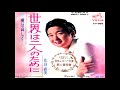 play_arrow play_arrow | Naomi Sara is active as a businesswoman. |
| 29 | Love FugueZa Pīnattsu | 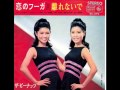 play_arrow play_arrow | Representative song of The Peanuts' love series |
| 30 | Song of the Mountain Mandaakudakkusu |  play_arrow play_arrow | History and Transformation of Male Groups |
| 31 | Yanagase BluesMikawa Ken’ichi |  play_arrow play_arrow | A representative song marking a turning point in Kenichi Mikawa’s enka style |
| 32 | Flower NecklaceZa Taigāsu | 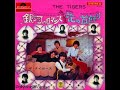 | The Tigers scored a huge hit with Toppo as the lead vocalist. |
| 33 | I want to go far away.Jerī Fujio |  play_arrow play_arrow | A nostalgic classic Japanese song |
| 34 | Blue Light Yokohamaishida ayumi |  play_arrow play_arrow | A stylish song set in Yokohama by Ayumi Ishida |
| 35 | Miracle of LoveHide to Rozanna |  play_arrow play_arrow | A youthful duet, the miracle of love born from unrequited feelings |
| 36 | I’m in trouble.Yamamoto Rinda |  play_arrow play_arrow | Yamamoto Linda’s debut single became a big hit |
| 37 | Song of the DawnKishi Yoko |  play_arrow play_arrow | Award-winning performance of one of Yoko Kishi’s signature songs |
| 38 | Only youSaigō Teruhiko |  play_arrow play_arrow | Teruhiko Saigō’s debut song and current activities |
| 39 | Waltz of StarlightSen Masao |  play_arrow play_arrow | A major hit song released by Masao Sen in 1966 |
| 40 | March of 365 StepsSuizenji Kiyoko |  play_arrow play_arrow | A life of continuing to take one step a day |
| 41 | Misty Lake MashuFuse Akira |  play_arrow play_arrow | A famous song that sings of the beauty and love of Lake Mashu |
| 42 | Hibari’s Sado Love StoryMisora Hibari |  play_arrow play_arrow | Theme song of Misora Hibari's Sado Love Story |
| 43 | Ozasiki SongMatsuo Kazuko & Wada Hiroshi & Mahina Sutāzu |  play_arrow play_arrow | A smash hit released in 1964, composer unknown |
| 44 | Coffee RumbaNishida Sachiko | 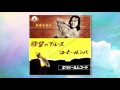 play_arrow play_arrow | A rumba in which Sachiko Nishida finds a new love over coffee |
| 45 | To Marie on Fifth AvenuePedoro & Kapurishasu | 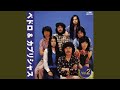 play_arrow play_arrow | A nostalgic favorite song by Pedro & Capricious |
| 46 | Beach of MemoriesZa Wairudowanzu |  play_arrow play_arrow | A smash hit song by a long-haired Group Sounds band |
| 47 | Please, God!Za Tenputāzu |  play_arrow play_arrow | The Tempters’ famous song, Koigokoro and Inori |
| 48 | What you wantZa Hapuningusu Fo | 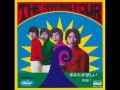 play_arrow play_arrow | An experimental masterpiece single of Group Sounds |
| 49 | With the setting sunZa Wairudowanzu |  play_arrow play_arrow | Refreshing Blue Sky Group Sounds Classic |
| 50 | The Song of KemekoZa Dātsu |  | A classic youth song depicting a first love for a chemistry girl |
| 51 | Legend of the EmeraldZa Tenputāzu |  play_arrow play_arrow | A representative song by The Tempters and a hit released in 1968 |
| 52 | Season of LovePinkī to Kirāzu |  play_arrow play_arrow | A smash-hit song released in 1968 that sold 2.7 million copies |
| 53 | Goodbye Comes After the DanceBaishō Chieko |  play_arrow play_arrow | Chieko Baisho’s smash hit song wins an award |
| 54 | Tunnel HeavenZa Dainamaitsu | 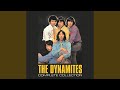 play_arrow play_arrow | A youthful rock song from the 1960s Group Sounds scene |
| 55 | A world without youZa Bībāzu |  play_arrow play_arrow | The Beavers’ heartbreak rock song |
| 56 | Blind BirdZa Moppusu |  play_arrow play_arrow | The Mops’ pioneering psychedelic debut |
| 57 | I don’t want to let go.Za Yangāzu |  play_arrow play_arrow | The Youngers’ signature coming-of-age love song from 1968 |
| 58 | Ha-ha-haZa Rindo & Rindāzu |  play_arrow play_arrow | A bright pop tune by The Lind & Lindaers |
| 59 | blue eyesJakkī Yoshikawa to Burū Komettsu |  play_arrow play_arrow | A classic masterpiece from the dawn of the Group Sounds era depicting a bittersweet love in the northern country |
| 60 | Let’s go, Shake!Terauchi Takeshi & Banīzu |  play_arrow play_arrow | Group Sounds, the representative works of Takeshi Terauchi and the Bunnys |
| 61 | The lights of Sakhalin do not go outZa Jenoba |  | The debut song of The Genova, a Russian-folk-style ballad |
| 62 | No-No BoyZa Supaidāsu |  | Hiroshi Kamayatsu’s British beat-infused rock masterpiece |
| 63 | The Maiden with Flaxen HairVirejji Shingāzu | 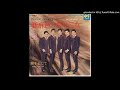 play_arrow play_arrow | A 1968 smash hit that portrays youth and first love |
| 64 | The last dance is mineKoshiji Fubuki |  play_arrow play_arrow | Koshiji Fubuki’s smash-hit chanson |
| 65 | A rose has bloomed.Maiku Maki |  play_arrow play_arrow | A song by Maki Maki with a The Little Prince motif |
| 66 | Last Night’s SecretOgawa Tomoko | 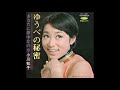 play_arrow play_arrow | Tomoko Ogawa's debut single reached No. 1 on the Oricon chart |
| 67 | newspaper boyYamada Tarō |  play_arrow play_arrow | A boy from a poor family showing filial piety |
| 68 | Sūdara-bushiUeki Hitoshi |  play_arrow play_arrow | A song that comically portrays the image of a Showa-era father |
| 69 | Tokyo Dodonpa GirlWatanabe Mari |  | A light, catchy hit from 1961 is still loved today. |
| 70 | Nagasaki BluesAoe Mina |  | Mina Aoe’s signature song was released in 1968. |
| 71 | Angel’s TemptationMayuzumi Jun |  | Jun Mayuzumi's 1968 Japan Record Award-winning song |
| 72 | Tokyo Olympic OndoMinami Haruo |  play_arrow play_arrow | The Tokyo Olympic Ondo became a big hit thanks to Haruo Minami. |
| 73 | Love me to the bone.Jō Takuya |  play_arrow play_arrow | Takuya Shiro’s debut single achieves a million-seller |
| 74 | Fossil of LoveAsaoka Ruriko |  play_arrow play_arrow | Ruriko Asaoka’s 1969 hit song |
| 75 | I look up as I walkSakamoto Kyu | 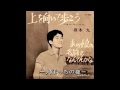 play_arrow play_arrow | I Look Up as I Walk, a song about recovering from a broken heart |
| 76 | Forever with youKayama Yūzō |  play_arrow play_arrow | The appeal of Yuzo Kayama’s 1965 signature song |
| 77 | older womanMori Shinichi | 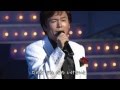 play_arrow play_arrow | An early signature song by Shinichi Mori that sold 800,000 copies |