

Classic and hit kayōkyoku songs from the nostalgic 1960s

The 1960s are often remembered for Group Sounds and rock, but in reality, the charts were largely dominated by kayōkyoku (Japanese popular songs).
It was also still a time when enka remained popular, and even those who were children back then probably have a rich repertoire of enka and kayōkyoku.
This time, we’re spotlighting nostalgic kayōkyoku from the music of the 1960s.
The 1960s were an era when classic, mainstream kayōkyoku drew the most attention.
If you’d like to look back on memories from that time through music, be sure to read this article to the end.
- Nostalgic Japanese hit songs from the 1960s. A collection of popular Showa-era classic melodies.
- Classic and hit Japanese pop songs from the nostalgic 1960s
- [Recommended for people in their 70s] Classic nostalgic hits: A collection of youth songs
- Hit songs in Japan in the late 1960s
- A collection of nostalgic hit songs and classics from the 70s
- Love songs that resonate with women in their 60s: gem-like romance tunes that revive memories of youth.
- Showa-era nostalgic songs: Popular ranking
- Female Singer-Songwriters of the ’60s: Popular Songs Ranking [2026]
- A love song that makes a man in his sixties relive his youth. Timeless classics that rekindle the romances of those days.
- So nostalgic it feels new? Showa retro classics that colored Japan’s period of rapid economic growth
- Spring songs for people in their 60s: A collection of classic tracks about cherry blossoms and farewells
- Evokes the charm of the good old days. Showa-era inspirational songs that are still loved today.
- Heart-touching, tear-jerking masterpieces from the Showa era
Masterpieces and hit songs of nostalgic 1960s kayōkyoku (Japanese pop) (61–70)
The last dance is mineKoshiji Fubuki

Released in 1961, Fubuki Koshiji, a former member of the Takarazuka Revue, was primarily active as a chanson singer, but her performance of this song became very popular and a huge hit.
She married composer Noriyoshi Naitō in 1959, and although they had no children, after Koshiji’s passing he shared some memories.
He said Koshiji had absolutely no sense of money; when she went to boutiques, instead of buying one or two pieces, she would say, “I’ll take all the dresses on display.” He would have to explain that with their income they couldn’t buy everything.
It’s a story that perfectly captures Fubuki Koshiji, who lived single-mindedly for her art.
A rose has bloomed.Maiku Maki

It is said to be a folk song released by Maki Maki in 1966, with lyrics and music by Konosuke Hamaguchi, who took his motif from a passage themed on the rose in Saint-Exupéry’s fairy tale The Little Prince.
Thanks to the song’s success, Maki made his first appearance at the 17th NHK Kōhaku Uta Gassen in 1966, and its hit triggered a folk-song boom that spread throughout Japan’s music scene.
Last Night’s SecretOgawa Tomoko

It was released in 1968 as Tomoko Ogawa’s debut single.
Despite being her first release as a singer, it immediately reached No.
1 on the Oricon chart, became her biggest hit, and earned her a first appearance at the 19th NHK Kōhaku Uta Gassen at the end of 1968.
newspaper boyYamada Tarō
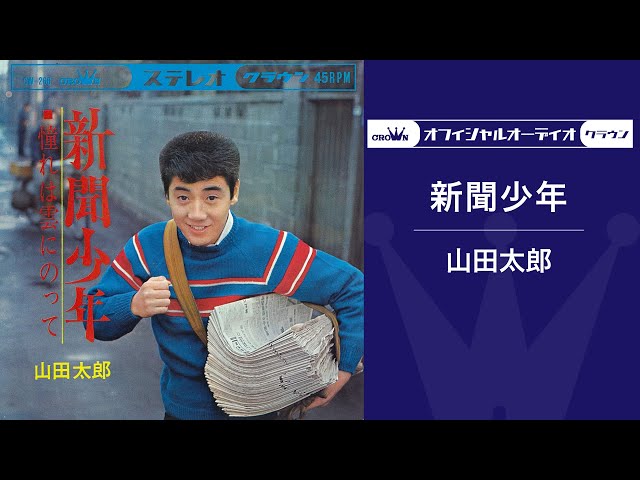
Released in 1965.
There was a time in Japan when people empathized with stories like Oshin—portraits of those who lived earnestly despite poverty.
The period referred to is even earlier, when school lunches had just begun so that all children could get proper nutrition, and many families were still very poor.
The newspaper boy delivers the morning edition for his sick mother, and after finishing his route, he even prepares her breakfast—a model of filial piety.
I wish I had a child like that!
Sūdara-bushiUeki Hitoshi
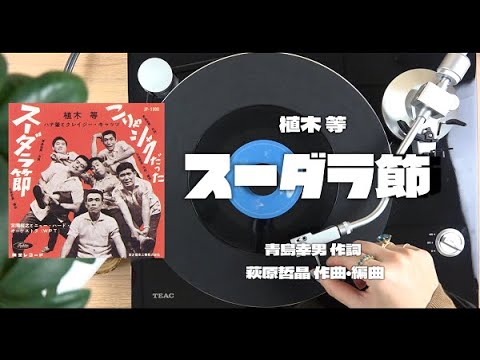
The record released in 1961 is by Hachiji Hana and the Crazy Cats, but since it was such an early era, it features only Ueki-san’s vocals.
The song comically portrays the archetypal Showa-era father, and not only at the time but even now, I can’t help thinking that fathers haven’t really changed all that much.
The line in the lyrics, “I know I shouldn’t, but I just can’t stop,” reflects a psychology that everyone has.
Tokyo Dodonpa GirlWatanabe Mari

Released in 1961, this song has been covered by artists like Yosui Inoue, and I was amazed to find that its lively rhythm and punchy vocals are still going strong.
The singer looks so young that I looked up their current age.
Seeing the birthdate listed as November 1947, that would make them 74 years old now—and still so youthful! Unfortunately, this was their only hit song, but it remains a beloved track to this day.
Nagasaki BluesAoe Mina
It was released in 1968 as Mina Aoe’s 11th single.
It rose to No.
2 on the Oricon charts and sold a total of 767,000 copies, ranking 10th in annual sales for the following year, 1969.
It is one of Mina Aoe’s signature songs, performed at the end of 1973—five years after its release—on the 24th NHK Kohaku Uta Gassen.