

Classic and hit kayōkyoku songs from the nostalgic 1960s

The 1960s are often remembered for Group Sounds and rock, but in reality, the charts were largely dominated by kayōkyoku (Japanese popular songs).
It was also still a time when enka remained popular, and even those who were children back then probably have a rich repertoire of enka and kayōkyoku.
This time, we’re spotlighting nostalgic kayōkyoku from the music of the 1960s.
The 1960s were an era when classic, mainstream kayōkyoku drew the most attention.
If you’d like to look back on memories from that time through music, be sure to read this article to the end.
- Nostalgic Japanese hit songs from the 1960s. A collection of popular Showa-era classic melodies.
- Classic and hit Japanese pop songs from the nostalgic 1960s
- [Recommended for people in their 70s] Classic nostalgic hits: A collection of youth songs
- Hit songs in Japan in the late 1960s
- A collection of nostalgic hit songs and classics from the 70s
- Love songs that resonate with women in their 60s: gem-like romance tunes that revive memories of youth.
- Showa-era nostalgic songs: Popular ranking
- Female Singer-Songwriters of the ’60s: Popular Songs Ranking [2026]
- A love song that makes a man in his sixties relive his youth. Timeless classics that rekindle the romances of those days.
- So nostalgic it feels new? Showa retro classics that colored Japan’s period of rapid economic growth
- Spring songs for people in their 60s: A collection of classic tracks about cherry blossoms and farewells
- Evokes the charm of the good old days. Showa-era inspirational songs that are still loved today.
- Heart-touching, tear-jerking masterpieces from the Showa era
Classic and hit kayōkyoku songs from the nostalgic 1960s (21–30)
You are my very lifeMizuhara Hiroshi
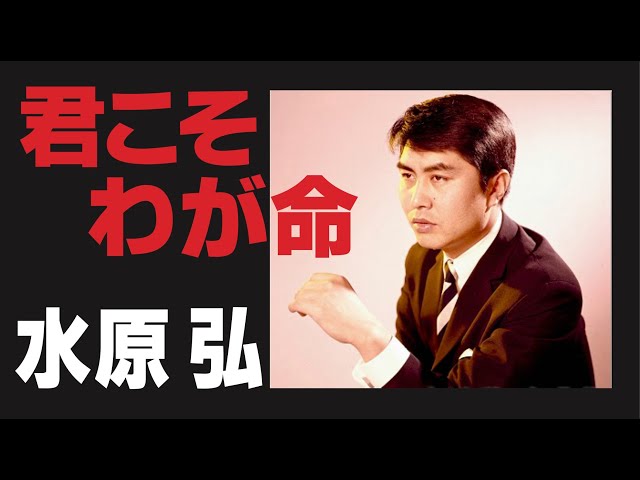
This is footage from the 1967 New Year’s Red and White Song Contest.
Even though it’s in black and white, it feels fresh because it captures them just as they were in their youth.
It’s a very Showa-era kind of song: meeting the one you love but stepping back because you met too late, while loving them as much as your own life.
Singers from the 1960s were truly excellent.
12th graderFunaki Kazuo

Released in 1963, there are various theories, but the model for this song is said to be either a private high school or a metropolitan public high school in Tokyo.
Speaking of third-year high school students, it was a time in Japan when the university enrollment rate was still not very high, and choosing between higher education or employment marked a turning point in life.
That’s why the lyrics about deepened friendships lasting forever make this a song we want to keep singing.
Forbidden LoveMoriyama Ryoko

It is a song released by Ryoko Moriyama in 1969, with total sales reaching 800,000 copies, and it topped the Oricon chart.
Thanks to the song’s success, lyricist Michio Yamagami won the Lyricist Award at the 11th Japan Record Awards, and Ryoko Moriyama made her first appearance at the 20th NHK Kohaku Uta Gassen with this song.
Black Cat TangoMinagawa Osamu

The original song, released in 1969, was based on an Italian children’s song and was sung in Japan by Osamu Minagawa, who was six years old at the time.
Although records of children’s songs were tax-exempt, this track was classified as a popular song and was taxed.
It was still treated as a children’s song to some extent and was used as an insert song in kids’ programs.
Arranged versions were released around the world, and in Japan it became a massive hit, selling over two million copies.
Otaru no hito yoTsuruoka Masayoshi to Tokyo Romanchika

It was released in 1967 as the debut single of Masayoshi Tsuruoka and Tokyo Romantica.
The song was created based on the real-life experience of a member of Masayoshi Tsuruoka and Tokyo Romantica, who fell in love with a local woman while on tour in Kushiro, and it reached No.
2 on the Oricon charts.
It is a song that is supported as a local anthem of Otaru.
soft; gentle; pliantMisora Hibari

Released in 1964 and winner of the 7th Japan Record Award, this is, in my opinion, an absolutely essential song from the 1960s.
The title evokes the image of judo—expressed as “柔 (ju),” a sport that represents Japan—but the song itself is an anthem of encouragement, whether for the world of competition or for times when one loses their way in life.
I hope athletes will remember the message of this song during the Tokyo Olympics.
The world is for the two of us.Sara Naomi

When the song was released in 1967, you could see Naomi Sagara on every channel, but it seems she’s hardly active in show business now and is working as a businesswoman.
She had a rather androgynous image; although she’s wearing a dress in this picture, she usually wore pants.
The song is simple but a happy tune, so it was often sung at weddings.