

Classic and hit kayōkyoku songs from the nostalgic 1960s

The 1960s are often remembered for Group Sounds and rock, but in reality, the charts were largely dominated by kayōkyoku (Japanese popular songs).
It was also still a time when enka remained popular, and even those who were children back then probably have a rich repertoire of enka and kayōkyoku.
This time, we’re spotlighting nostalgic kayōkyoku from the music of the 1960s.
The 1960s were an era when classic, mainstream kayōkyoku drew the most attention.
If you’d like to look back on memories from that time through music, be sure to read this article to the end.
- Nostalgic Japanese hit songs from the 1960s. A collection of popular Showa-era classic melodies.
- Classic and hit Japanese pop songs from the nostalgic 1960s
- [Recommended for people in their 70s] Classic nostalgic hits: A collection of youth songs
- Hit songs in Japan in the late 1960s
- A collection of nostalgic hit songs and classics from the 70s
- Love songs that resonate with women in their 60s: gem-like romance tunes that revive memories of youth.
- Showa-era nostalgic songs: Popular ranking
- Female Singer-Songwriters of the ’60s: Popular Songs Ranking [2026]
- A love song that makes a man in his sixties relive his youth. Timeless classics that rekindle the romances of those days.
- So nostalgic it feels new? Showa retro classics that colored Japan’s period of rapid economic growth
- Spring songs for people in their 60s: A collection of classic tracks about cherry blossoms and farewells
- Evokes the charm of the good old days. Showa-era inspirational songs that are still loved today.
- Heart-touching, tear-jerking masterpieces from the Showa era
Classic and hit kayōkyoku songs from the nostalgic 1960s (31–40)
I’m in trouble.Yamamoto Rinda

Released in 1966 as Linda Yamamoto’s debut single, it surpassed 700,000 copies in total sales and earned her first appearance at that year’s 18th NHK Kōhaku Uta Gassen.
On that occasion, Yamamoto performed the song wearing a pink miniskirt, and combined with her somewhat lisping way of speaking at the time, she was referred to as a so-called “kawaii idol” singer.
Song of the DawnKishi Yoko

This is a song released by Yoko Kishi in 1964, and in the following year, 1965, a Nikkatsu-produced musical film of the same title based on the song was released.
Known as one of Kishi’s signature songs, it earned her the Vocal Performance Award at the 6th Japan Record Awards, and she made her first appearance at the 15th NHK Kohaku Uta Gassen in 1964.
Only youSaigō Teruhiko

This is Teruhiko Saigō’s debut song, released in 1964.
The record jacket shows a young Saigō, whose distinctive singing style and good looks gradually boosted his popularity, and he was known as one of the “Big Three” alongside Yukio Hashi and Akira Mita.
Even now, Saigō energetically performs concerts, and it’s said he goes on walks for about two hours almost every day to build his stamina.
Waltz of StarlightSen Masao

Released in 1966 as Masao Sen’s sixth single.
It sold over 1.7 million copies, reached No.
1 on the Oricon chart, and achieved total sales of 2.5 million.
Although sales were sluggish at the time of its 1966 release, it is said to have caught on through local cable radio broadcasts, which led to its hit status.
March of 365 StepsSuizenji Kiyoko

It was released in 1968 as Kiyoko Suizenji’s 23rd single.
While Suizenji had previously continued to release songs that could be called the mainstream of enka, this was a kayōkyoku number; as the title suggests, it is a march that encourages a life of moving forward one step at a time each day.
It is Suizenji’s biggest hit and remains one of her most beloved signature songs.
Classic and Hit Kayōkyoku Songs from the Nostalgic ’60s (41–50)
Misty Lake MashuFuse Akira

Released in 1966, Lake Mashu—now famous as Japan’s clearest lake—was little known at the time, so there were doubts about whether a song modeled on such an obscure place could sell.
Akira Fuse’s vocal ability was outstanding then as it is now, and this masterpiece poignantly sings of the beauty of Lake Mashu and the feelings for a loved one.
Hibari’s Sado Love StoryMisora Hibari
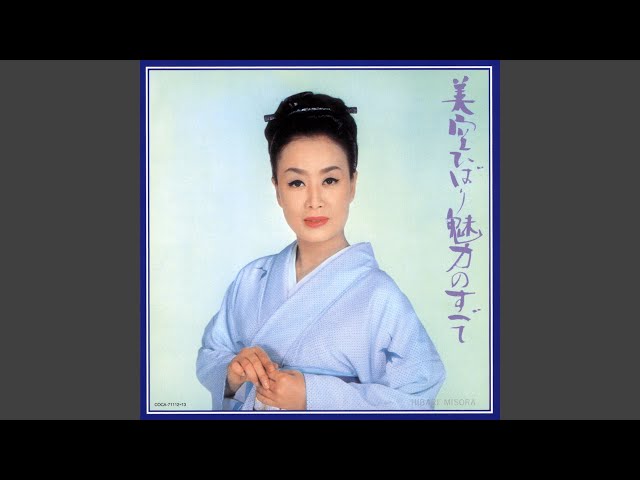
It’s a single released by Hibari Misora in 1962.
That same year, Toei produced the film “Hibari no Sado Jowa,” starring Misora, and this song was used as its theme.
The song was performed at the 13th NHK Kouhaku Uta Gassen in 1962, and it has been covered by many artists.